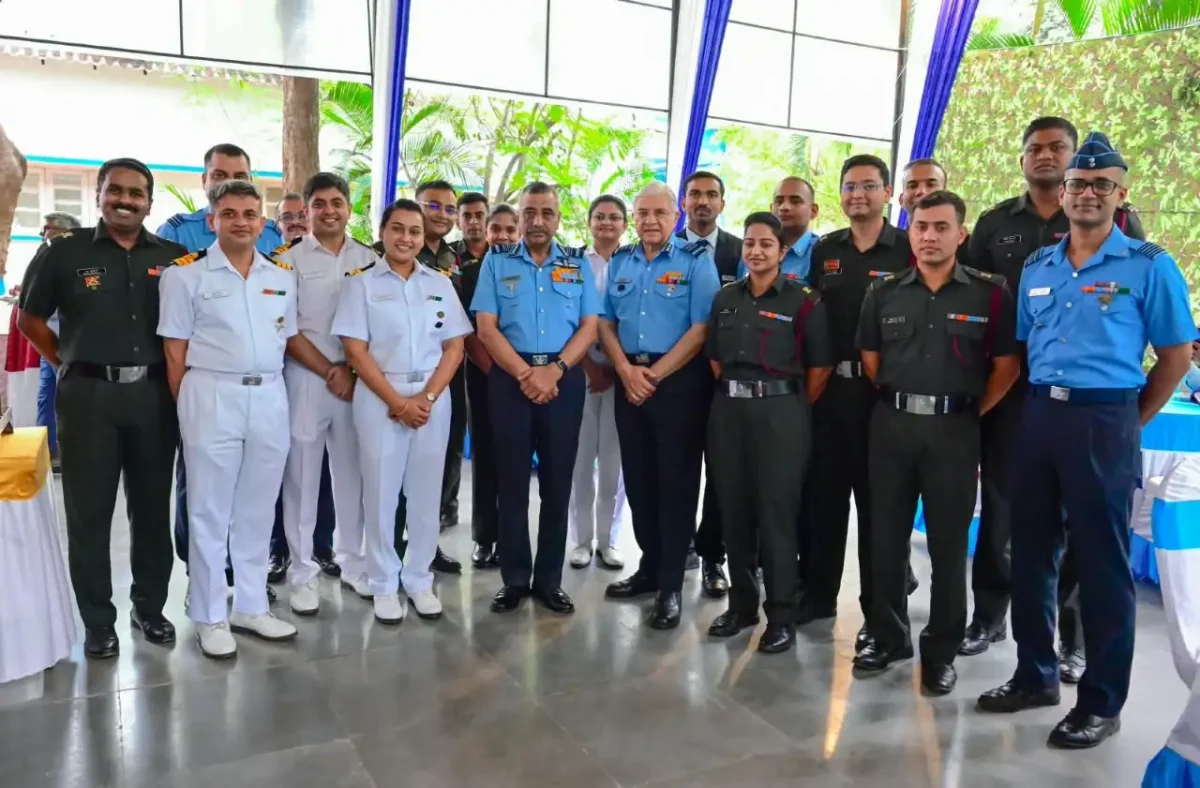
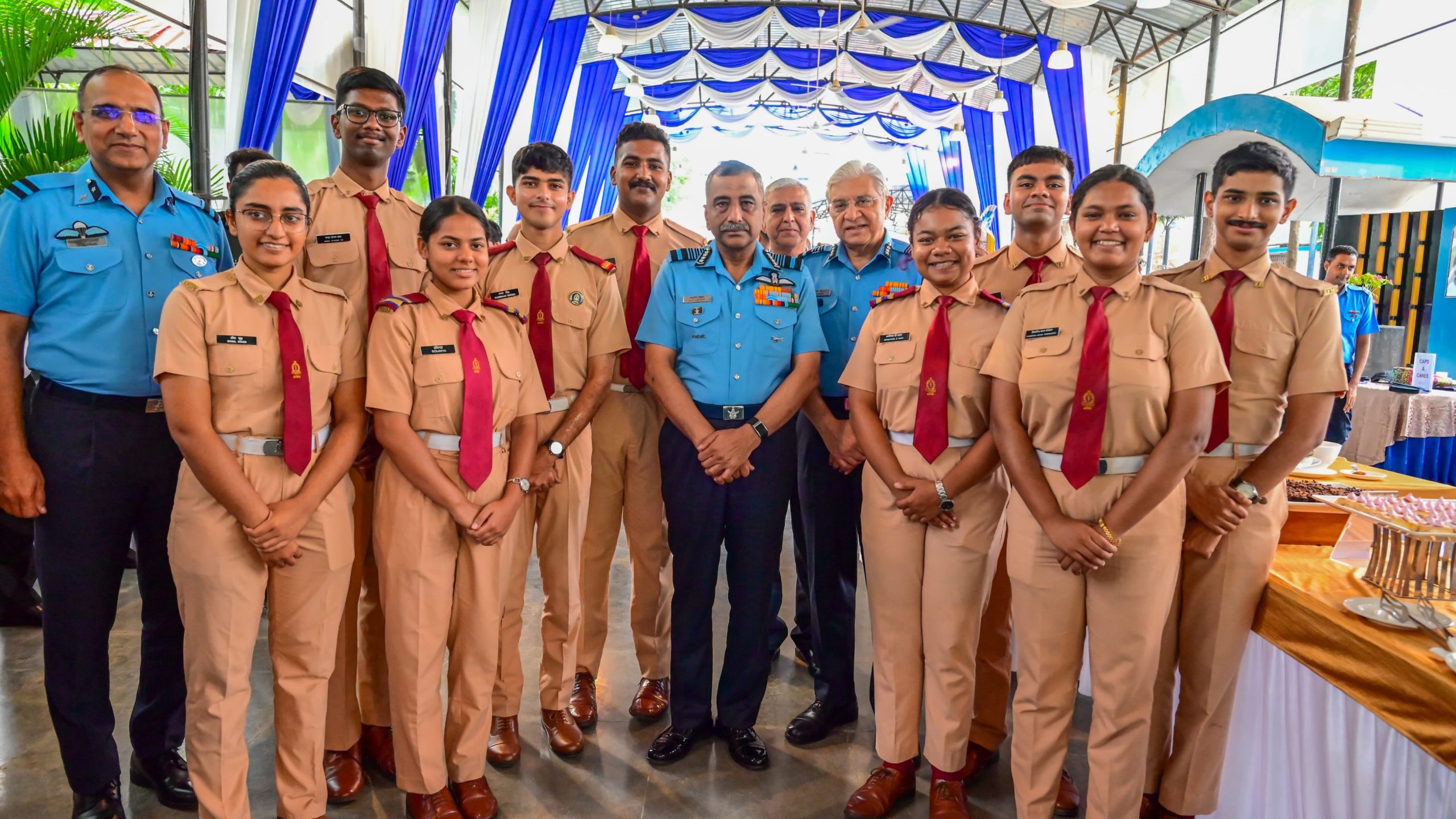
At the 65th Annual Conference of the Indian Society of Aerospace Medicine (ISAM), Air Chief Marshal Ashutosh Dixit called for aeromedical expertise to support both aviation operations and India’s human spaceflight ambitions. The Chief of the Air Staff delivered the inaugural address on November 27, 2026, in New Delhi.
Held under the theme “One Airspace – One Mission: Aeromedical Support from Runway to Orbit,” the conference examined the changing demands on aerospace medicine as India develops its military aviation, civil aviation and space capabilities.
Aeromedical support across aviation and space
Air Chief Marshal Dixit highlighted aerospace medicine’s role in maintaining aircrew fitness, improving flight safety and supporting personnel working in demanding aerospace environments. He said its scope should extend beyond conventional aviation to address the physical and psychological challenges astronauts may encounter in space.
He called for closer cooperation among the Indian Armed Forces, civil aviation organisations, the Indian Space Research Organisation (ISRO), the Defence Research and Development Organisation (DRDO), academic institutions and industry. Such collaboration, he said, could strengthen research and innovation and help develop aeromedical solutions for aviation and space missions.
Human factors in aerospace design
The Chief of the Air Staff also urged the aeromedical community to contribute from the earliest stages of designing indigenous aerospace platforms. He pointed to aircraft, cockpit systems, aircrew equipment and life-support technologies as areas where that expertise could be applied.
The aim, according to the address, is to account for human performance, ergonomics, physiological limitations and operational safety in the development of future aerospace systems.
Tributes and a new lecture series
Air Chief Marshal Dixit paid tribute to Air Marshal Subroto Mukherjee, the first Indian Chief of the Air Staff, and Air Vice Marshal MM Srinagesh, recognised for his pioneering contributions to aerospace medicine in India. Their work was acknowledged as part of the development of the country’s military aviation and aeromedical capabilities.
The conference also saw the launch of the Cosmonaut Rakesh Sharma Guest Lecture Series, named for Wing Commander Rakesh Sharma, the first Indian to travel into space. Sharma, who flew aboard the Soviet Soyuz T-11 spacecraft in April 1984, chaired the series’ inaugural lecture.
The initiative is intended to recognise India’s human space exploration achievements and encourage discussion of the scientific, medical and operational challenges of aerospace missions.
The 65th ISAM Annual Conference underscored the widening role of aerospace medicine as India pursues indigenous aviation technologies and advances its human spaceflight capabilities. It also highlighted cooperation between defence organisations, scientific institutions and industry in developing medical expertise, human-centred technologies and life-support systems for future aviation and space operations.
The event reflected the Indian Air Force’s continued focus on flight safety, operational effectiveness and the place of aerospace medicine in India’s aviation and space exploration efforts.