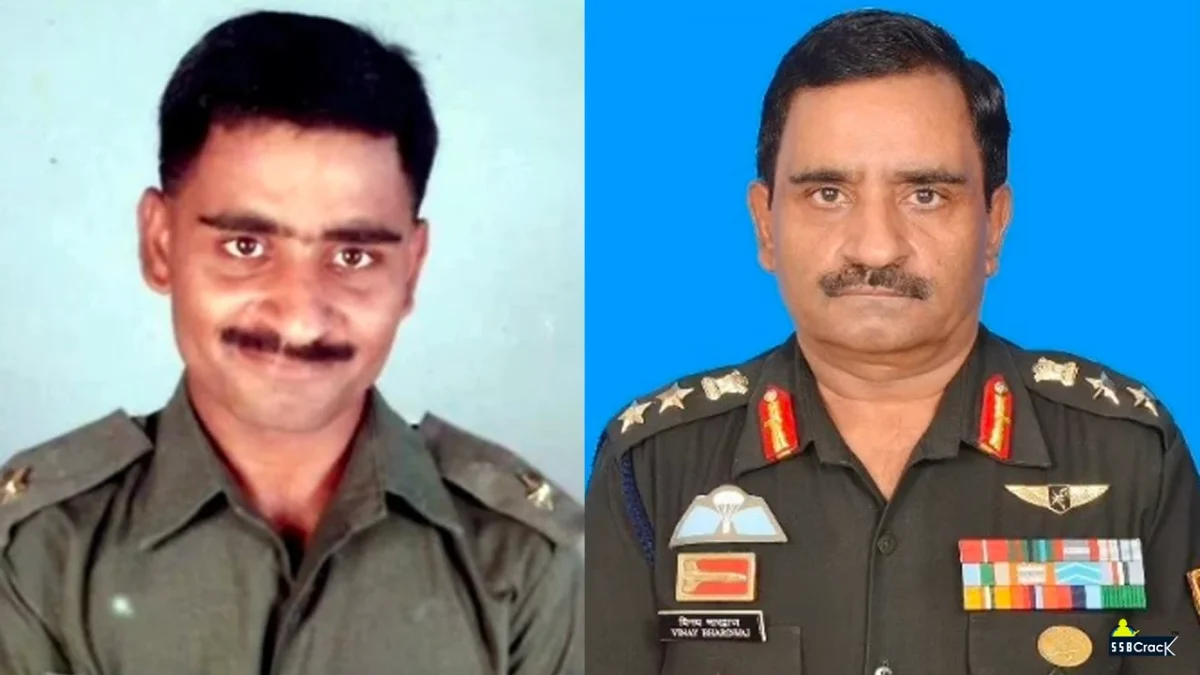
New Delhi, November 2, 2026: Colonel Vinay Bhardwaj has retired from military service, closing a career that reportedly included time in the Indian Army’s former Technical Support Division (TSD), a unit known for operating in the shadows of military intelligence work.
Widely referred to by the nickname “Birdie,” Bhardwaj was reportedly among the officers chosen for the TSD, which was established in 2010 during the tenure of then Army Chief General V.K. Singh.
What the TSD was meant to do
The TSD was formed in the aftermath of the 2008 Mumbai terror attacks, a period when security concerns were high and covert intelligence capabilities were being strengthened. According to the report, the unit functioned under the Directorate General of Military Intelligence and handled sensitive intelligence gathering and covert tasks aimed at threats linked to Pakistan-based terrorist organisations.
Reports also indicate that Bhardwaj had earlier been associated with India’s external intelligence agency, the Research and Analysis Wing (R&AW), and had experience in intelligence-related operations involving terrorist groups in Jammu and Kashmir and the Northeast.
Unit later drew controversy
Because of the classified nature of its assignments, the Technical Support Division remained largely outside public scrutiny while it was active. The unit later became controversial amid allegations involving surveillance equipment, intelligence operations and the use of secret funds. These were allegations reported around the unit’s work, not confirmed findings in the source text.
After General V.K. Singh retired as Army Chief in 2012, the TSD was disbanded, and its activities came under investigation and public attention.
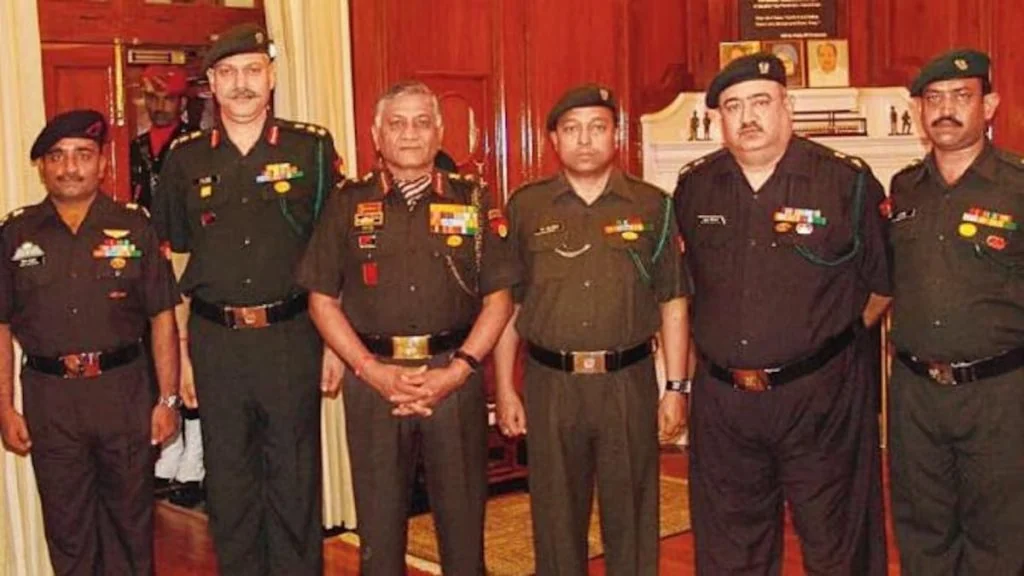
Bhardwaj’s retirement has once again brought the former intelligence unit into focus. A tribute circulating after his retirement described him as the last serving officer associated with the TSD and acknowledged his years of military service.
While much of his operational career remains outside the public domain, his association with the Technical Support Division places him among the officers linked to a significant and controversial chapter in the Indian Army’s military intelligence history.