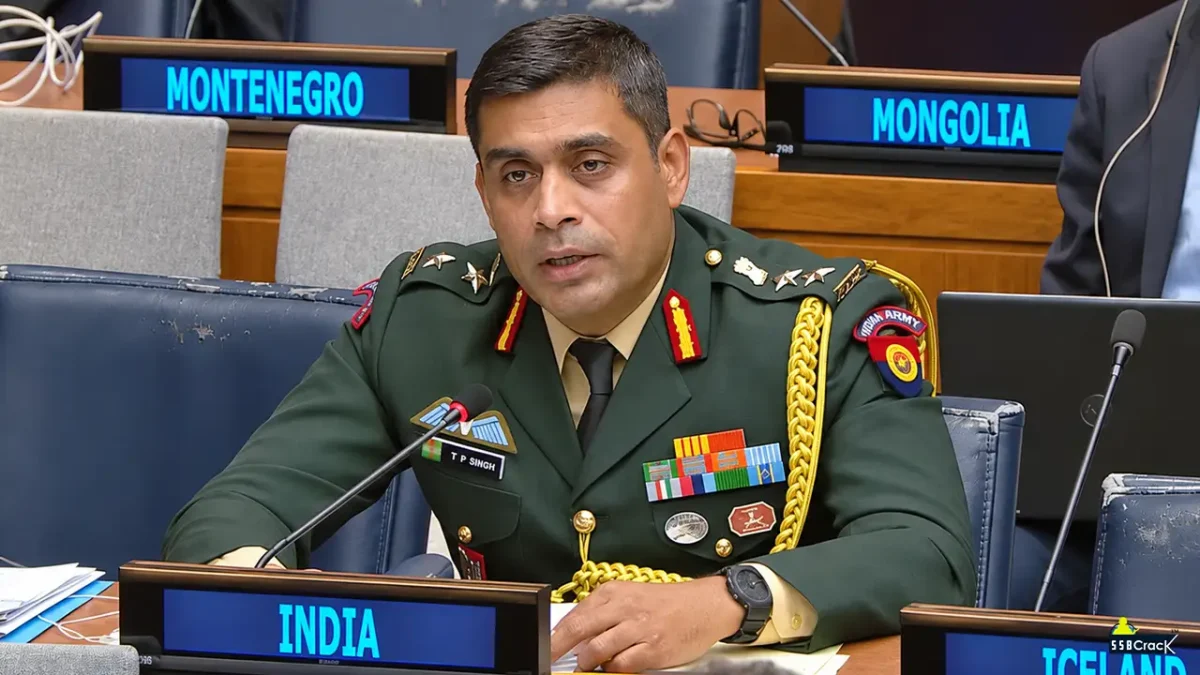
At the United Nations in New York, India used the annual debate on peacekeeping reforms to press for better protection, stronger accountability and fuller support for missions serving under the UN flag. The message came alongside a reminder of India’s long record in UN operations and the lives lost in the line of duty.
India’s appeal at the UN
Addressing the comprehensive review of United Nations peacekeeping operations on November 6, 2026, Colonel Tarunendra Pratap Singh, Military Advisor at India’s Permanent Mission to the United Nations, reaffirmed India’s commitment to international peace and security. He spoke of the country’s experience across more than seven decades of peacekeeping deployments and paid tribute to Indian personnel who died while serving in conflict-affected regions.
India said it has contributed more than 300,000 troops across 50 UN peacekeeping missions, making it the largest cumulative troop contributor to such operations. The country also noted that 184 Indian peacekeepers have lost their lives while carrying out their duties under the UN flag.
What India said about peacekeeping
Colonel Singh described UN peacekeeping as an important instrument for maintaining international peace, pointing to the principles of impartiality, consent of the parties and the use of force only in self-defence or in defence of the mission’s mandate. He argued that missions can succeed only when they are linked to a broader political process, backed by clear objectives and given adequate resources.
He also cautioned that deploying peacekeepers without sufficient capabilities or a realistic political strategy can weaken mission effectiveness. India further called for institutionalised consultations with troop- and police-contributing countries before the United Nations Security Council adopts or reviews peacekeeping mandates, saying contributors should have a meaningful role in decisions that affect deployment, safety and responsibilities.
Security threats and accountability
Colonel Singh said the environment facing UN personnel has become more complex, with peacekeepers now exposed to asymmetric and technologically enabled threats. He reiterated India’s position that those responsible for attacks on peacekeepers must be held accountable.
In that context, he referred to India’s role in securing the adoption of United Nations Security Council Resolution 2589 in August 2021. According to the statement, that resolution focuses on accountability for crimes committed against UN peacekeepers.
Reforms, technology and women peacekeepers
India also pressed for rationalisation of peacekeeping missions, saying operations without a clear operational rationale consume resources and can damage the credibility of the United Nations. The Indian representative said every mission should have clearly defined objectives and the capabilities needed to achieve them.
Alongside this, India called for faster use of advanced technology and renewable energy solutions in peacekeeping. Colonel Singh said such measures could improve operational efficiency, strengthen situational awareness and reduce logistical difficulties in difficult deployment environments.
He also highlighted the role of women in peacekeeping, noting that India has deployed women peacekeepers since 1960. The statement cited India’s deployment of the first all-female Formed Police Unit to Liberia in 2007 as a milestone in UN peacekeeping history.
Linked to India’s UNSC bid
India said strengthening UN peacekeeping will remain a priority in its candidature for a non-permanent seat on the United Nations Security Council for the 2028–2029 term. Colonel Singh concluded by calling for a peacekeeping architecture that is better resourced, better protected and more representative of the international community.
The statement underlined India’s continued emphasis on UN peacekeeping reforms, while also honouring the service and sacrifice of Indian peacekeepers who have served across the world.