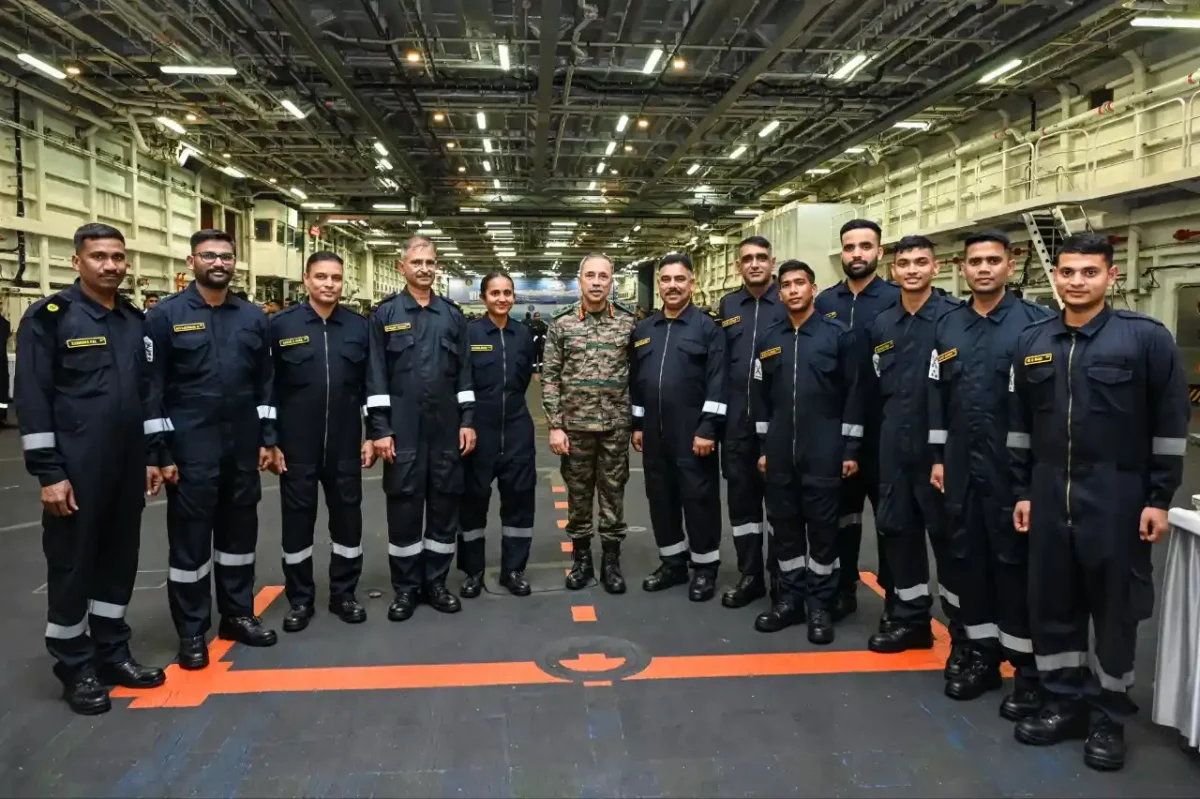
The maritime leg of the Tri-Service Electronic Warfare (EW) Exercise has been completed successfully, bringing the Indian Army, Indian Navy and Indian Air Force together in a coordinated test of electronic warfare capability at sea. The activity was observed by the Chief of Defence Staff (CDS), the Chief of Integrated Defence Staff to the Chairman Chiefs of Staff Committee (CISC), along with other senior defence officials.
According to the report, the focus of this phase was to validate how the three Services function together in the maritime domain when operating in contested electromagnetic environments. The exercise placed emphasis on joint coordination, preparedness and the ability to respond effectively to electronic warfare challenges in a naval setting.
Why the maritime domain matters
The source notes that control of the electromagnetic spectrum has become increasingly important in modern military operations. In maritime conditions, naval platforms, aircraft and coastal defence systems depend on radar, electronic sensors and communication networks, making surveillance, communications and countermeasure systems central to mission effectiveness.
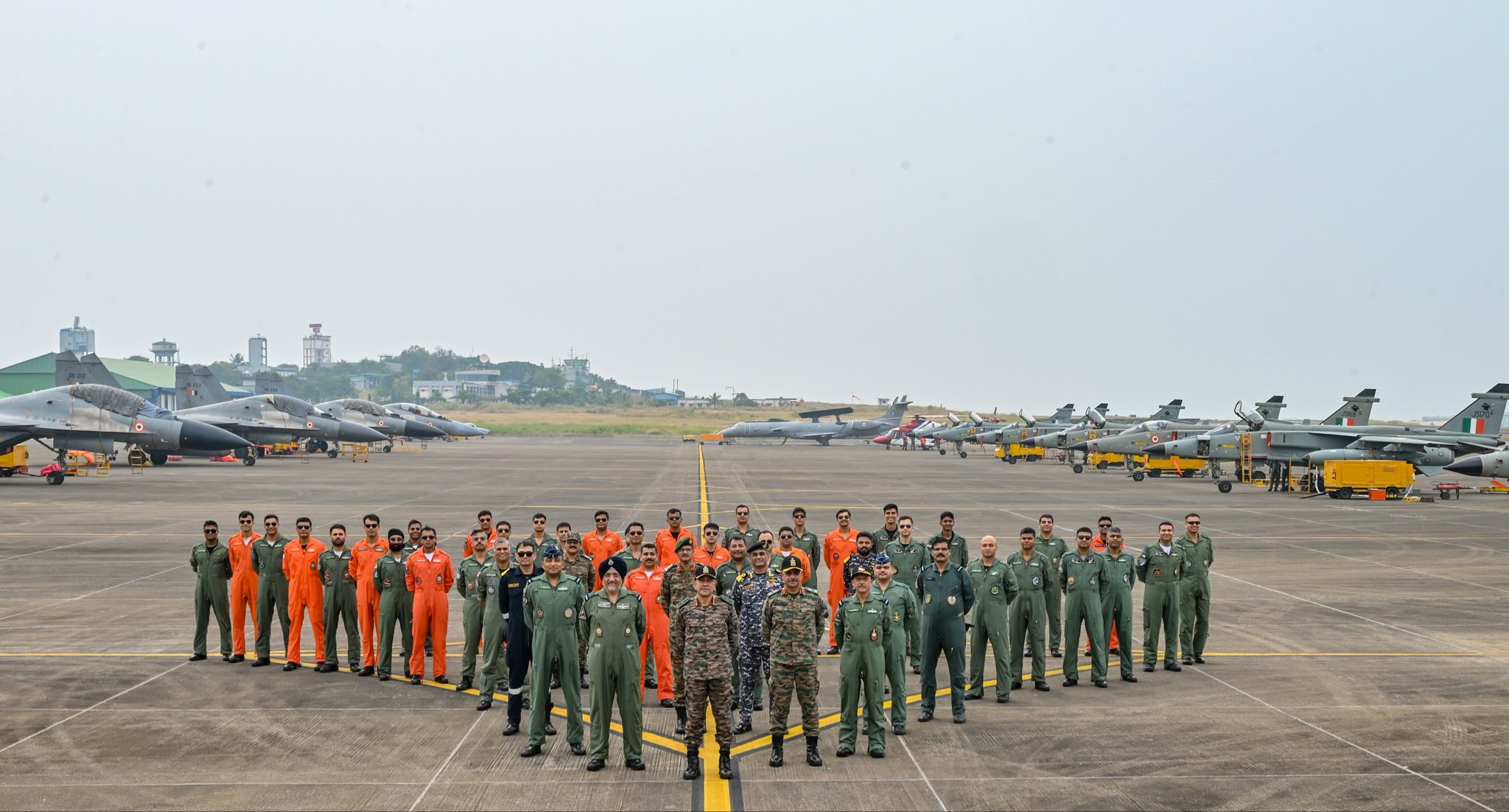
During the exercise, the three Services demonstrated an integrated approach to electronic warfare at sea. The emphasis on interoperability and coordinated action reflected the wider need for the Armed Forces to operate seamlessly across domains in order to protect India’s maritime interests.
Witnessed by senior defence leadership
The presence of the CDS, CISC and other senior defence officials highlighted the importance attached to tri-service integration and the development of coordinated military capabilities across operational domains. Their attendance also pointed to the strategic weight being given to electronic warfare as part of India’s defence preparedness.
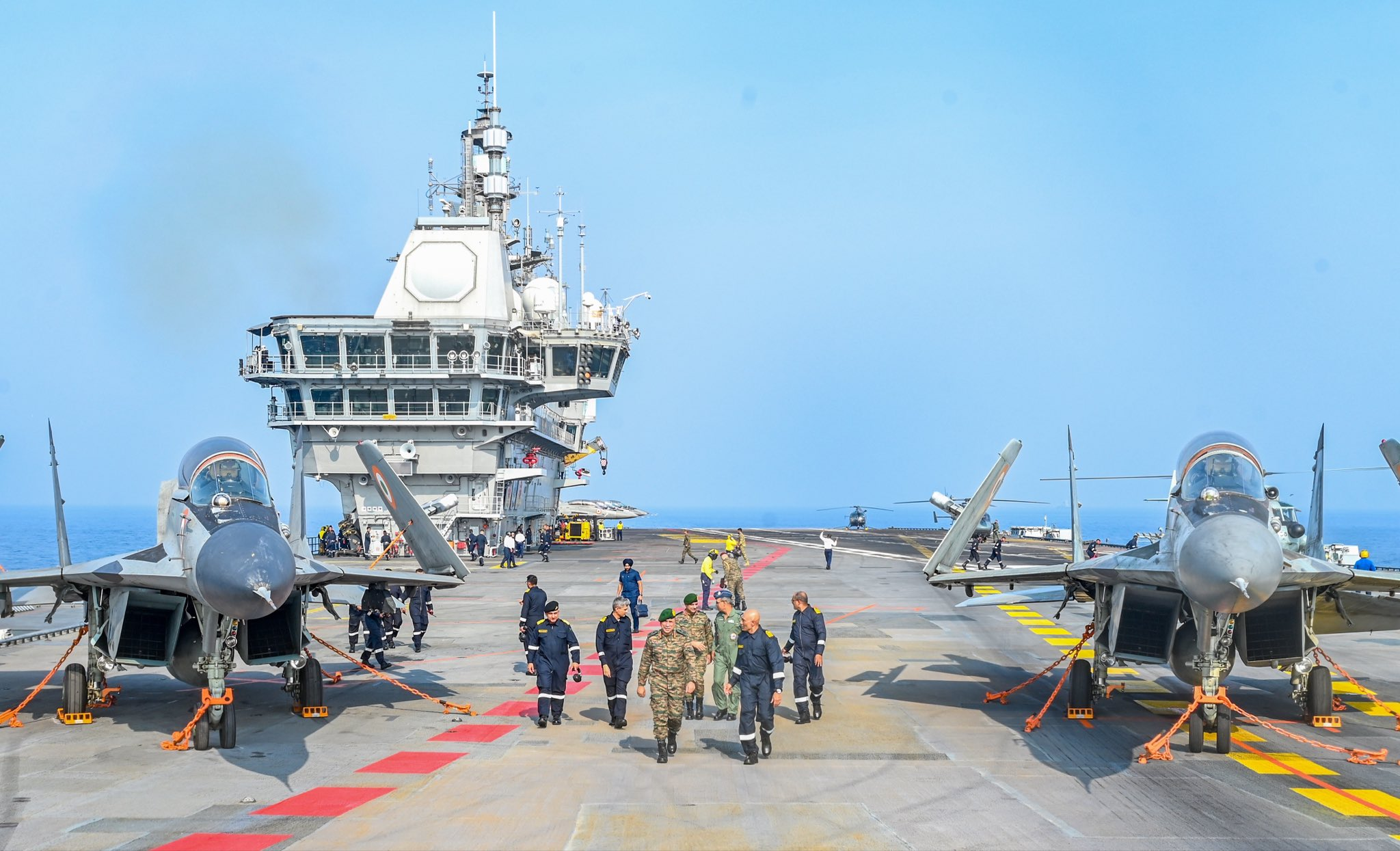
The maritime phase followed the successful land phase of the Tri-Service Electronic Warfare Exercise, during which the Indian Army, Navy and Air Force evaluated modern electronic warfare tactics in contested electromagnetic environments. Together, the two phases indicate an effort to improve joint readiness and sharpen the response to emerging electronic warfare threats.
Jointness across land and sea
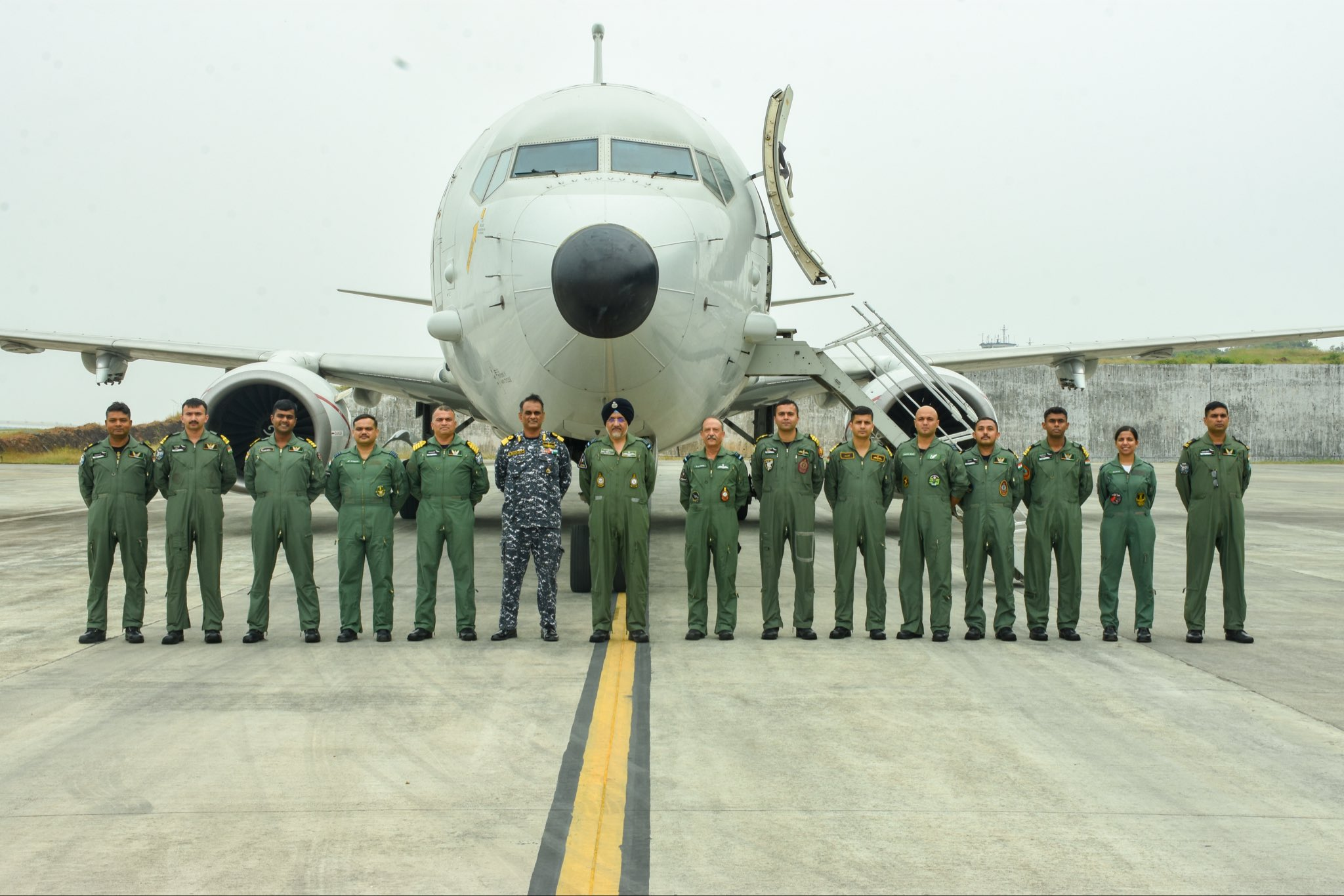
The exercise also reflects a broader push towards greater jointness among the three Services, with attention on integrating capabilities, improving information sharing and building a unified approach to modern warfighting challenges. The source links this development to the need for coordinated military capability across land and maritime domains.
India’s long coastline, strategically important maritime trade routes and expanding security responsibilities in the Indian Ocean Region make electronic warfare capability at sea especially relevant. The successful maritime phase is therefore presented as a step toward safeguarding the country’s maritime interests and strengthening preparedness for future contingencies.
Overall, the exercise underlines the Indian Army, Indian Navy and Indian Air Force’s commitment to operational vigilance, technological preparedness and coordinated combat capability. It also reinforces the Armed Forces’ effort to enhance integrated electronic warfare readiness to help secure India’s waters, shores and wider maritime security interests.