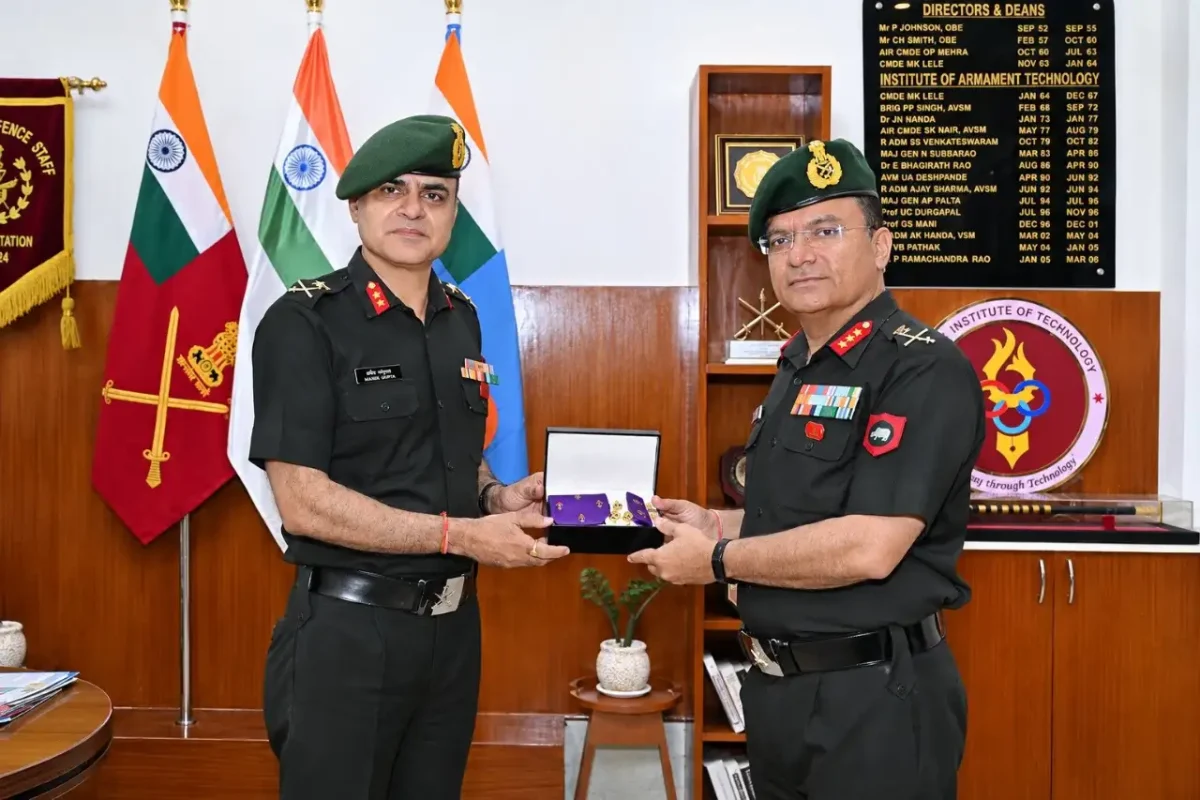
At the Military Institute of Technology (MILIT), Lieutenant General Mohit Wadhwa, General Officer Commanding (GOC), 101 Area, briefed officers on how logistics shapes modern operations, especially in difficult border conditions. He delivered the lecture on “Operational and Logistics Dynamics in Communication Zone” to officers attending the Defence Services Technical Staff Course (DSTSC-09) and other ongoing courses.
Lt Gen Wadhwa said that the nature of warfare is changing and that logistics remains central to keeping military formations ready for action. He linked this directly to India’s strategically sensitive Northern Borders, where sustaining troops and equipment depends on dependable support systems.
He explained that effective logistics is essential for maintaining operational readiness, preserving combat power and enabling missions to be carried out successfully in challenging environments. The officer also pointed out that long military engagements place heavy pressure on supply chains, transport networks, equipment maintenance and the steady availability of essential operational resources.
Another major theme of the lecture was the strain created by contested and congested sustainment networks. According to Lt Gen Wadhwa, logistics systems can be disrupted by enemy actions, geographical limitations and competing operational requirements.
Technology and cooperation in logistics planning
Lt Gen Wadhwa underlined technology as an important enabler of operational effectiveness. He said that when modern technologies are built into logistics planning, supply chain management and operational support systems, they can improve efficiency, responsiveness and resilience during military operations.
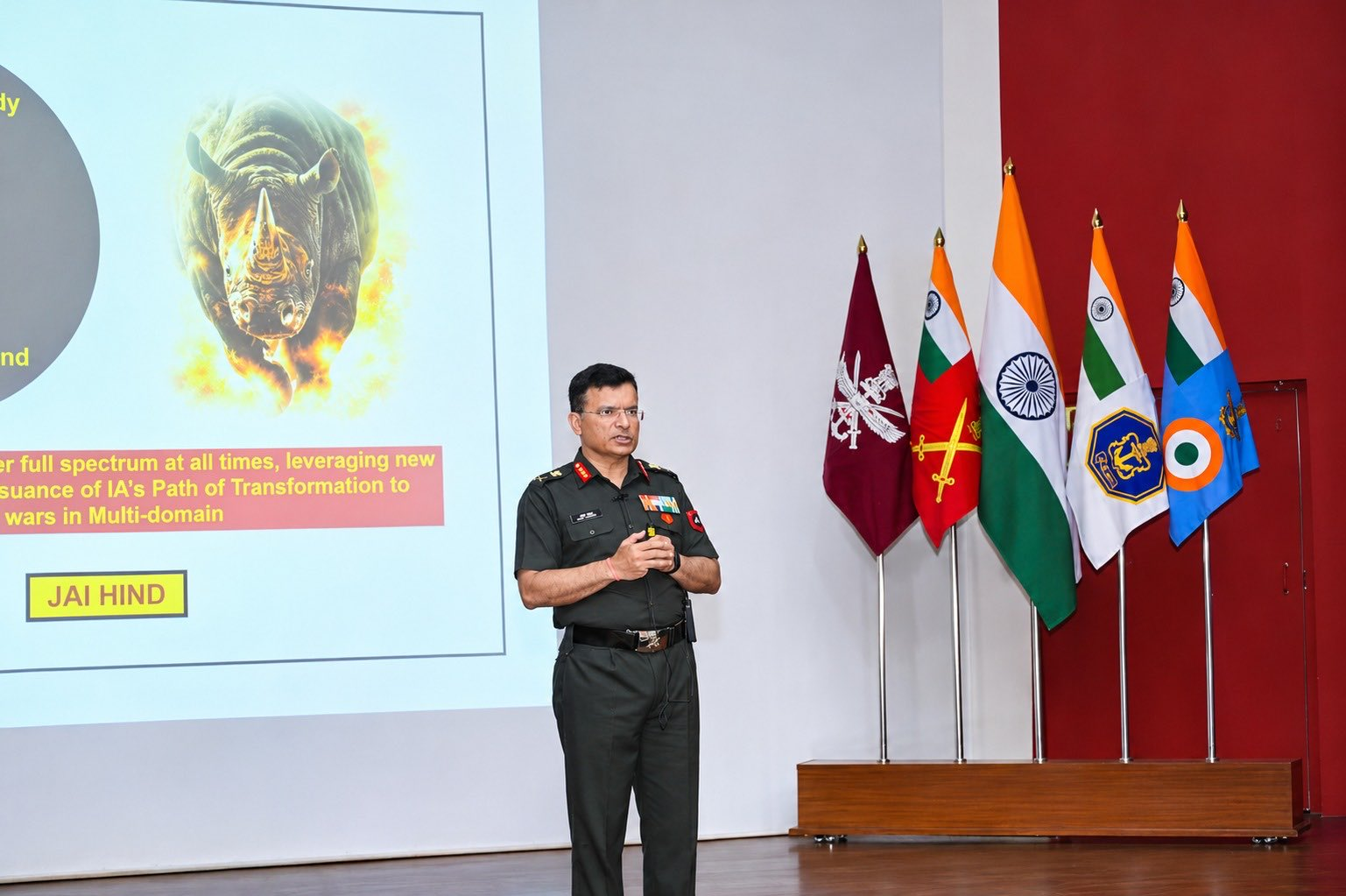
He also focused on Civil-Military Fusion, describing it as a way to strengthen cooperation between military organisations and civilian institutions, industries and infrastructure networks in support of national defence requirements. Along with that, he stressed the need for a Whole-of-Nation approach to military logistics, saying future large-scale operations would require coordinated support from the Armed Forces, government agencies, industry and other national resources.
The lecture also highlighted the importance of logistics systems that are resilient and adaptable enough to work in demanding conditions. Lt Gen Wadhwa noted that India’s Northern Borders bring distinct logistical challenges because of high-altitude terrain, extreme weather, limited connectivity and the need to sustain forward-deployed formations over long periods.
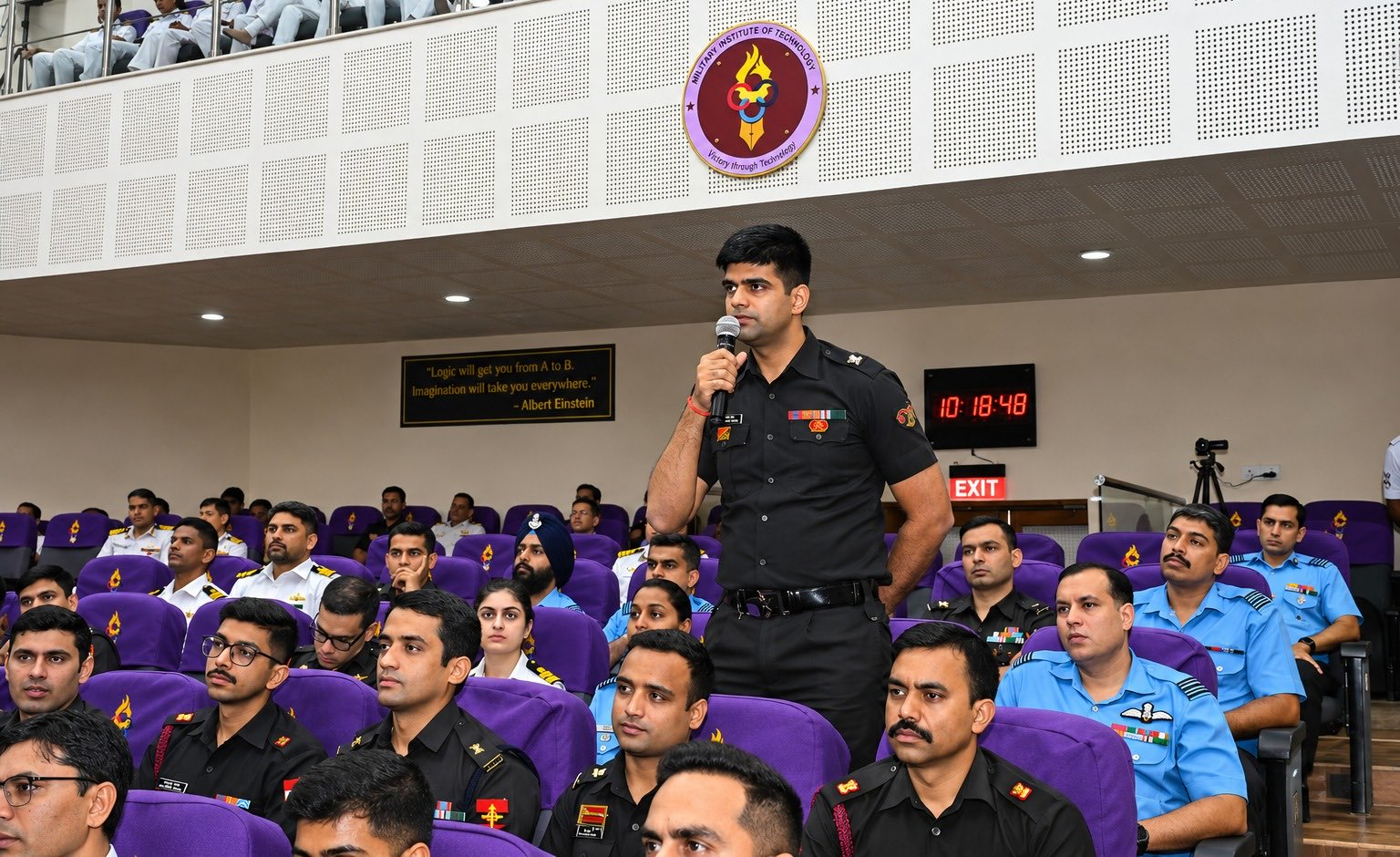
He added that future conflicts will demand logistics systems able to adjust quickly to changing battlefield conditions while continuing uninterrupted support to combat formations. The interaction gave officers attending DSTSC-09 and other courses at MILIT insight into the connection between operational planning, logistics management and technological innovation in contemporary warfare.
Overall, the lecture reinforced the value of integrated, technology-enabled and resilient logistics systems for sustaining combat power and supporting operational success in future military engagements.