




South Korea is taking significant steps to bolster its defense capabilities by establishing a government-wide task force focused on the development of a domestically produced engine for next-generation fighter aircraft, reports indicate. This initiative spearheads a collaborative effort among various governmental agencies, including the ministries of industry, land, and defense, with the Defense Acquisition Program Administration (DAPA) and the Korea AeroSpace Administration playing pivotal roles in the coordination process.
The newly formed task force is set to synchronize policy frameworks, budgets, and research initiatives related to advanced propulsion systems. This area of development is recognized as one of the most complex and costly in defense manufacturing, requiring not only substantial financial investment but also highly specialized engineering capabilities.
This initiative aligns with a DAPA roadmap released earlier in the year, which outlines the objective of designing a homegrown engine for South Korea’s future military jets. Achieving this capability typically demands decades of sustained effort and resource commitment. The task force will also oversee certification processes, minimize redundant budget allocations, and facilitate inter-agency research collaboration as the program moves forward.
Once operational, this program aims to position South Korea among a select group of countries adept at producing high-performance fighter engines, alongside established nations such as the United States, the United Kingdom, France, and Russia.
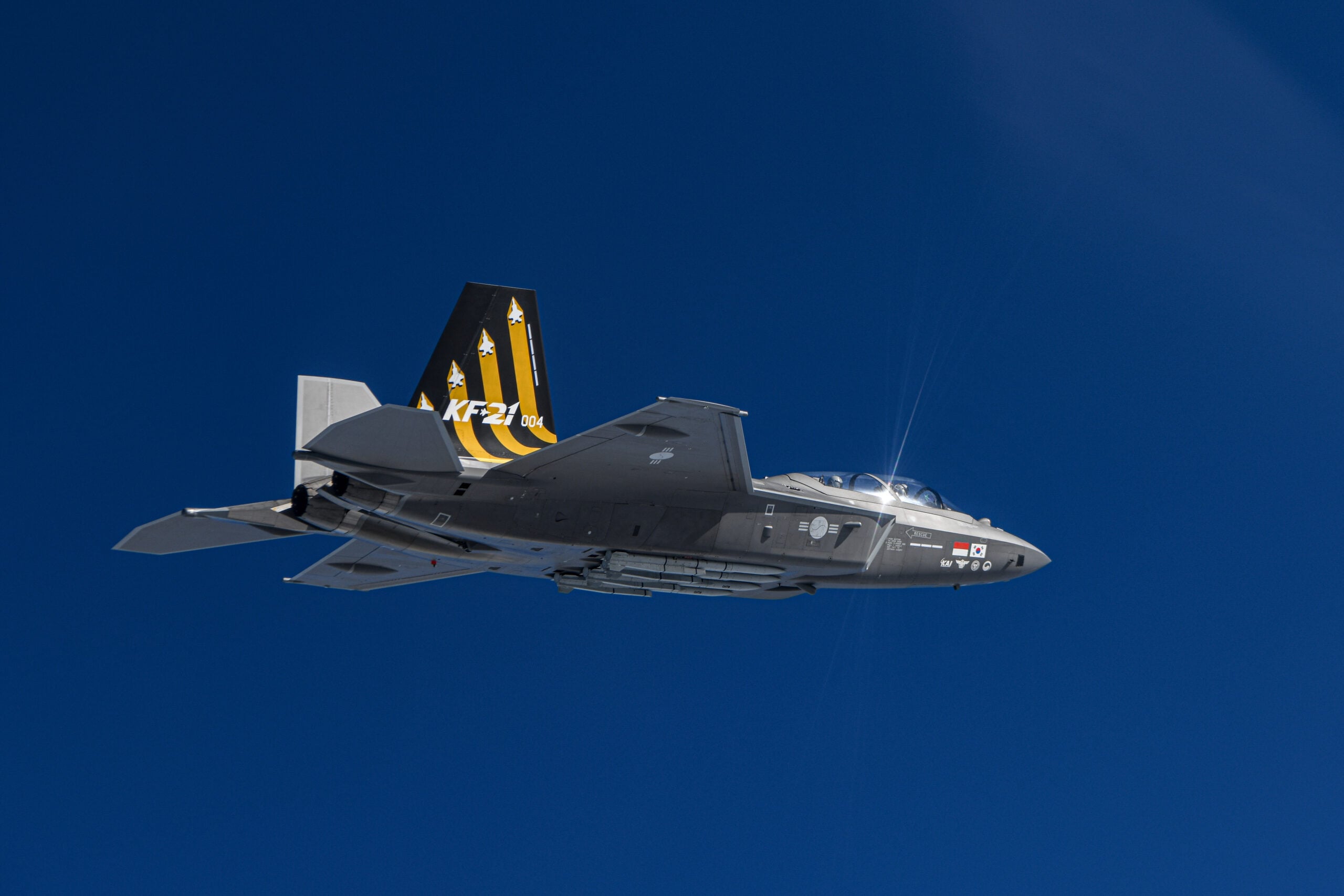
Currently, South Korea is in the process of developing the KF-21 Boramae, a state-of-the-art 4.5-generation combat aircraft that anticipates low-rate initial production by 2026 and aims for full-rate production by 2028.
Officials have emphasized that the successful implementation of the task force will not only curtail maintenance and overhaul costs currently incurred through foreign contracts but will also enhance the export potential of domestically crafted aircraft. A representative from the Ministry of Trade, Industry, and Energy highlighted that this initiative will promote technological self-reliance in advanced aircraft engines and ensure a stable supply chain.
Moreover, DAPA representatives have pointed out that the development of aircraft engines is a strategic technology that holds significant implications beyond the realm of defense, particularly benefiting the civilian aerospace sector.


