




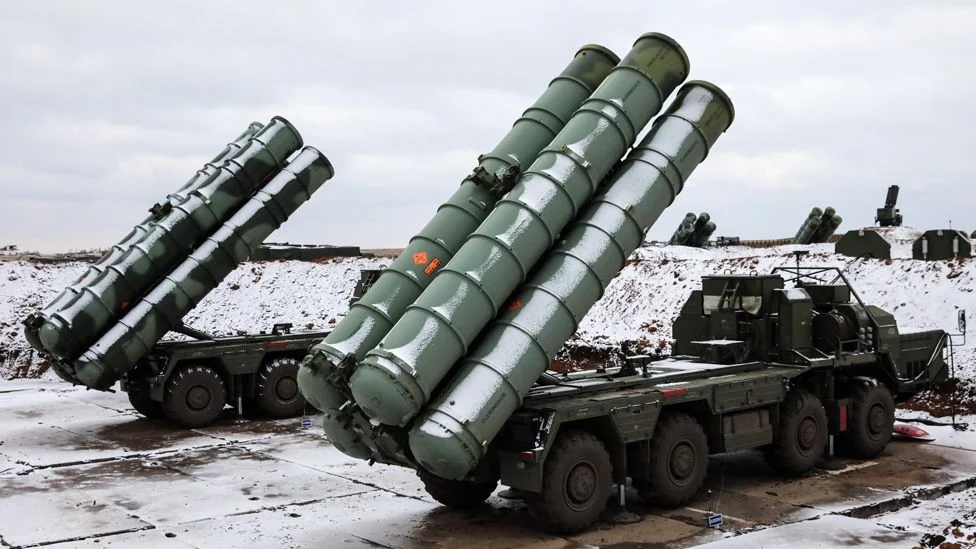
The Indian government is preparing to procure approximately 300 missiles for the S-400 Triumf air defence system, marking a significant replenishment effort following extensive use of the system during Operation Sindoor. This initiative is poised to enhance India’s aerial defense capabilities, with officials confirming the measure’s approval process is underway.
The acquisition is estimated to surpass ₹10,000 crore and will be facilitated through the fast-track procurement (FTP) mechanism. The government aims to complete this procurement within the current financial year, pending approvals from both the Cost Negotiation Committee (CNC) and the Cabinet Committee on Security (CCS). The Defence Acquisition Council, under the leadership of Defence Minister Rajnath Singh, has already provided the Acceptance of Necessity (AoN) for this deal.
This decision to replenish the S-400 missile stock comes on the heels of extensive engagement during Operation Sindoor, during which the Indian armed forces neutralized a variety of Pakistani aerial assets, including fighter jets, early warning and control aircraft, and armed drones. Notably, the S-400 system successfully targeted a Pakistani wide-body aircraft 314 km into Punjab, prompting Pakistan to relocate many of its air resources to bases closer to Afghanistan and Iran.
The S-400’s interception capabilities, with ranges of 400 km, 200 km, 150 km, and 40 km, have proven crucial in maintaining India’s air superiority, particularly following strikes on key Pakistani radar sites in major cities like Lahore, Rawalpindi, Sialkot, and Pasrur. The result was a significant reduction in air activity from the Pakistan Air Force during the critical period of May 9-10.
In addition to renewing the missile supply for the already operational five S-400 regiments, the Indian government is also reviewing a proposal for the purchase of five more S-400 systems to further enhance national air defense against various aerial threats, including missiles and enemy aircraft.
Amid these developments, the armed forces are also exploring the Pantsir-S1 short- and medium-range missile-gun system from Russia. This system is designed to address modern threats, including armed drones and swarm tactics. By integrating the S-400 with the Pantsir, India could establish a two-layered air defense network that provides comprehensive protection against a variety of aerial threats.
In parallel, progress is being made on the procurement of Medium Altitude Long Endurance (MALE) drones, with more than 20 Indian private defense firms responding to a request for proposals (RFP) for 87 drones, valued at nearly ₹20,000 crore. Major global defense firms such as Elbit (Israel), General Atomics (USA), and Bell are collaborating with Indian companies for the domestic manufacture of these drones. The armed forces also anticipate the delivery of 31 MQ-9B Predator armed drones by the end of 2028-29.
Despite these advances, officials have indicated that no significant defense deals with Russia are expected during the upcoming summit between President Vladimir Putin and Prime Minister Narendra Modi on December 5. Current Russian proposals across aerial, land, and naval platforms are still under evaluation.
Looking ahead, two additional S-400 systems that were contracted in previous agreements are set to be inducted next year, further enhancing India’s air defense capabilities across crucial sectors.


