




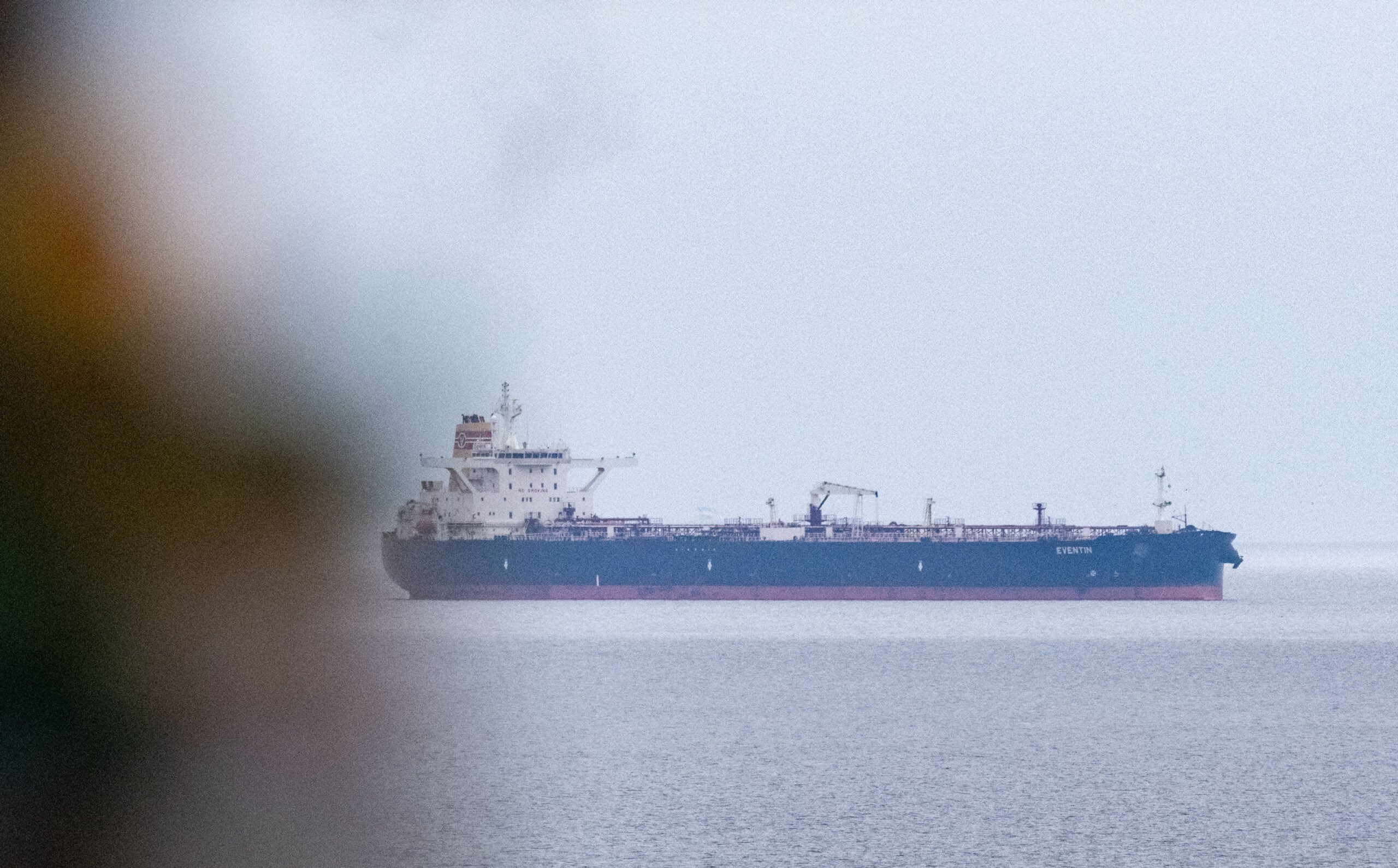
An oil tanker off the coast of Dakar was engulfed in chaos last week after experiencing four external explosions shortly after departing from Russia. This incident has raised significant concerns and speculation among experts regarding the potential involvement of geopolitical factors.
The Turkish-operated tanker, Mersin, which sails under a Panamanian flag, was transporting nearly 39,000 tonnes of fuel when the explosions occurred approximately 10 kilometers offshore around 11:45 PM local time. The Turkish shipping company Besiktas reported that seawater had entered the engine room due to the blasts, but fortunately, there were no casualties reported, and the situation was reportedly brought under control swiftly.
In the aftermath of the explosions, security measures were activated, with port authorities mobilizing resources to assist in stabilizing the vessel. The crew, predominantly Turkish, was promptly evacuated to ensure their safety, while efforts to mitigate potential damage were put into action.
The exact cause of the explosions remains undetermined as of Tuesday. However, analysts suggest that the Mersin’s connection to Russia might point to a possible attack, particularly in light of recent strikes on Russian-linked tankers in the Black Sea. Observers note that several vessels have been targeted in that region, with reports of Ukrainian naval drones being deployed against them.
Further complicating matters, many experts insist that the Mersin’s prior voyages included multiple calls to Russian ports, fueling speculation about its involvement in covert operations related to Russian oil. One analyst highlighted that such a situation seems consistent with a pattern of targeting vessels connected to Russian interests.
Despite these theories, some experts remain skeptical. Igor Delanoe, a deputy director at the Franco-Russian Observatory, argued that while the prospect of Ukrainian responsibility for the explosions exists, it would be unprecedented in that specific geographical area. He emphasized the need for concrete evidence before drawing any conclusions.
Interestingly, the Mersin does not appear on UN or EU sanctions lists, although two other ships operated by the same company are under Ukrainian sanctions. This detail adds another layer of complexity to the ongoing discussions and investigations surrounding the incident.
Environmental concerns intensified following the explosions, prompting Dakar port authorities to implement a security perimeter around the Mersin and deploy anti-pollution measures. While there is a risk of pollution, the senior commander of the Port of Dakar expressed optimism, stating that the situation could be mitigated with effective intervention.
As queries about the geopolitical implications of the explosions surface, the Mersin’s situation underscores the intricate relationship between maritime transport, international politics, and security. The circumstances surrounding this event will continue to unfold as investigations progress and more information becomes available.


