




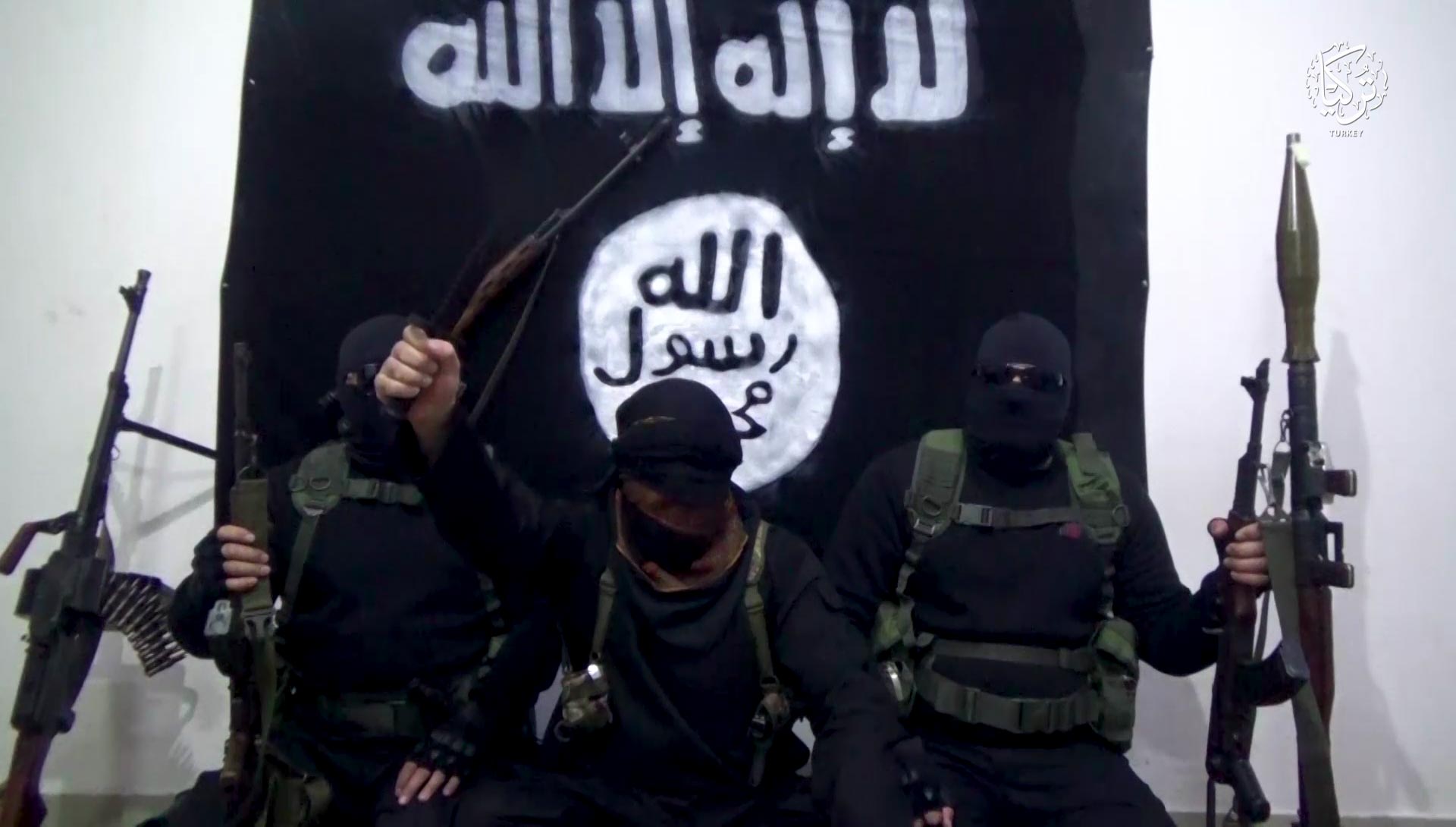
European security faces increasing threats from escalating jihadist violence in the Sahel region, warns the European Union’s envoy to the area. Reports indicate that the Sahel has emerged as the world’s epicenter of terrorism, with jihadist groups affiliated with Al-Qaeda and Islamic State conducting long-standing insurgencies across Burkina Faso, Mali, and Niger.
Joao Cravinho, the EU diplomat, expressed serious concerns during a press conference in Accra, Ghana. He highlighted the nature of terrorist organizations, stating, “One thing we know about terrorist organizations… is that they don’t stay where they are. They are a curse not only for the populations immediately affected, but they are a threat for others.” This assessment underscores the potential for instability in the Sahel to spill over into Europe.
Cravinho emphasized that the emergence and persistence of these terrorist groups in the region pose a direct threat to European security. Additionally, he raised alarm over “unregulated migratory flows” from the Sahel, identifying these movements as a pressing concern for various European nations.
To address these issues, the EU envoy called for enhanced cooperation with countries such as Ghana, Ivory Coast, and Mauritania—nations that have witnessed a significant influx of individuals fleeing conflict conditions. He suggested a collaborative approach to managing migratory flows, indicating a need for a cohesive strategy that benefits both West Africa and Europe.
A recent report from Human Rights Watch shed light on Mauritania, highlighting human rights abuses undertaken by the country’s security forces, which are reportedly supported by the EU and Spain. The report illustrated troubling practices such as racial and ethnic profiling, extortion, mass arrests, and torture against migrants and asylum seekers.
Despite these challenges, Cravinho commended Ghana for its role as a potential intermediary to address the instability in neighboring countries like Burkina Faso, Mali, and Niger. He noted that these nations have shifted towards military-led governance structures, distancing themselves from Western alliances.
The EU’s ongoing engagement with these junta-led governments is a critical point of focus for Cravinho. He remarked on the desire expressed by these leaders to “turn the page” and establish a new type of relationship with Europe, a sentiment that he hopes to foster in future visits planned for the coming year.


