




The US State Department has approved potential foreign military sales to Italy and South Korea, highlighting its ongoing defense partnerships with these nations. These approvals involve significant arms agreements that represent a commitment to enhancing military capabilities in both regions.
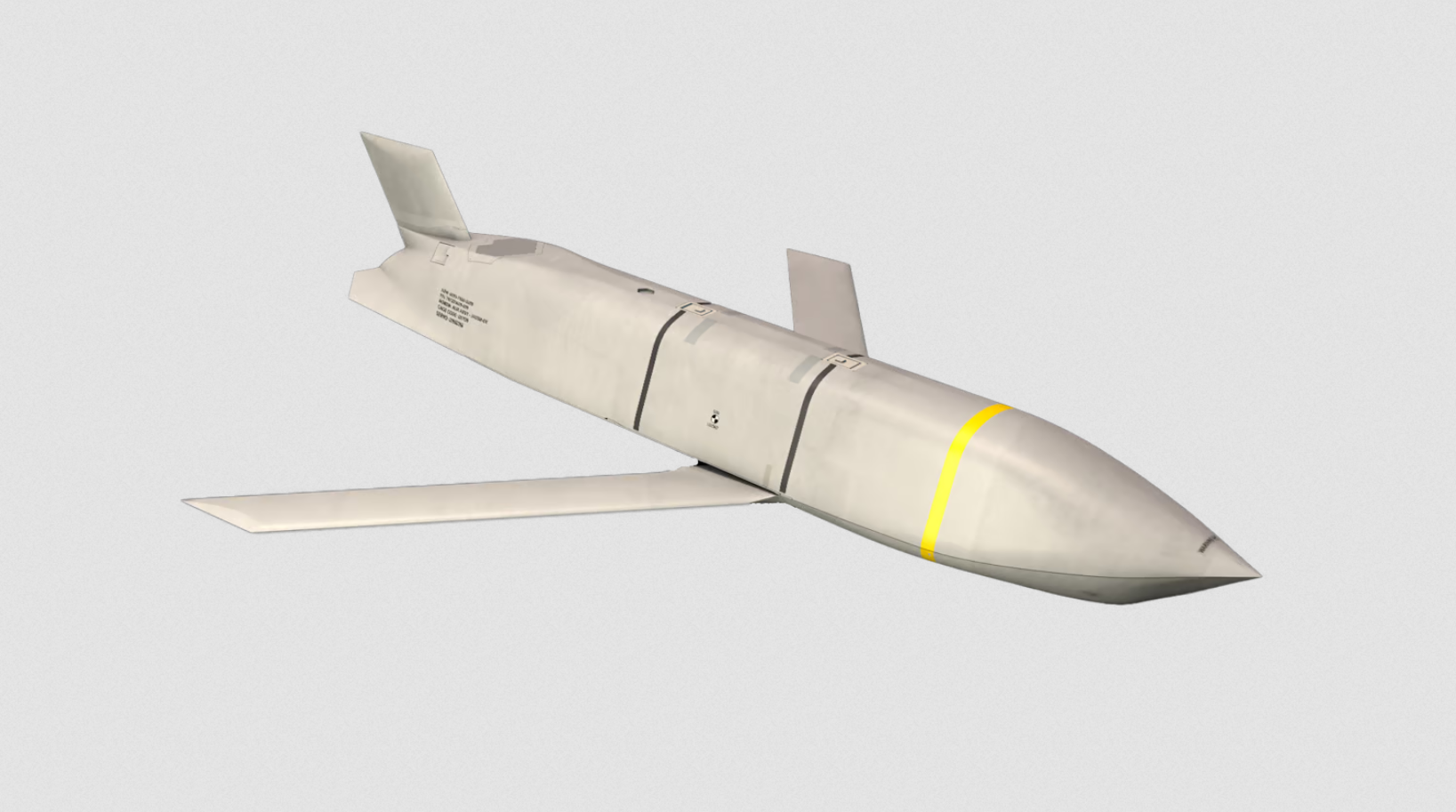
For Italy, the deal includes air-launched, precision-guided Joint Air-to-Surface Standoff Missiles with Extended Range (JASSM-ER), with the overall value estimated at approximately $301 million. This marks the first public announcement of Rome’s request for JASSM-ER, underscoring its intent to bolster its military arsenal. The agreement involves the acquisition of 100 AGM-158B/B-2 JASSM-ER missiles, manufactured by Lockheed Martin, alongside associated components and program support.
The JASSM-ER missiles are noted for their impressive range of 1,000 kilometers (621 miles), which significantly exceeds the baseline range of 500 nautical miles (575 miles/926 kilometers) associated with earlier models. They are outfitted with a 450-kilogram (992-pound) WDU-42/B penetrator warhead. According to the Defense Security Cooperation Agency (DSCA), these stealthy cruise missiles provide “stand-off capability via advanced, long-range strike systems for employment on Italian fighter aircraft, including but not limited to F-35 aircraft.”
In parallel, South Korea is set to receive 624 GBU-39/B Small Diameter Bombs-Increment I (SDB-I), totaling an estimated $111.8 million. This procurement adds to a previous deal valued at $18.8 million and is designed to enhance South Korea’s existing inventory of precision munitions. The SDB-I is manufactured by Boeing and features a range of over 60 miles (96 kilometers). The acquisition is intended to strengthen the East Asian country’s air defense capabilities, which is crucial for deterring aggression in the region and ensuring interoperability with US forces.
The package for South Korea includes not only the munitions themselves but also additional components such as aircraft parts, spares, explosive charges, devices, propellants, and logistic support elements. The inclusion of these specialized items reflects a comprehensive approach to supporting South Korea’s defense needs.
Both deals are indicative of the United States’ strategy to reinforce military partnerships and enhance the defense capabilities of its allies, particularly in Europe and East Asia. Such actions further solidify the US’s role as a key provider of military support and technology in regions that are strategically important to its national security interests.


