




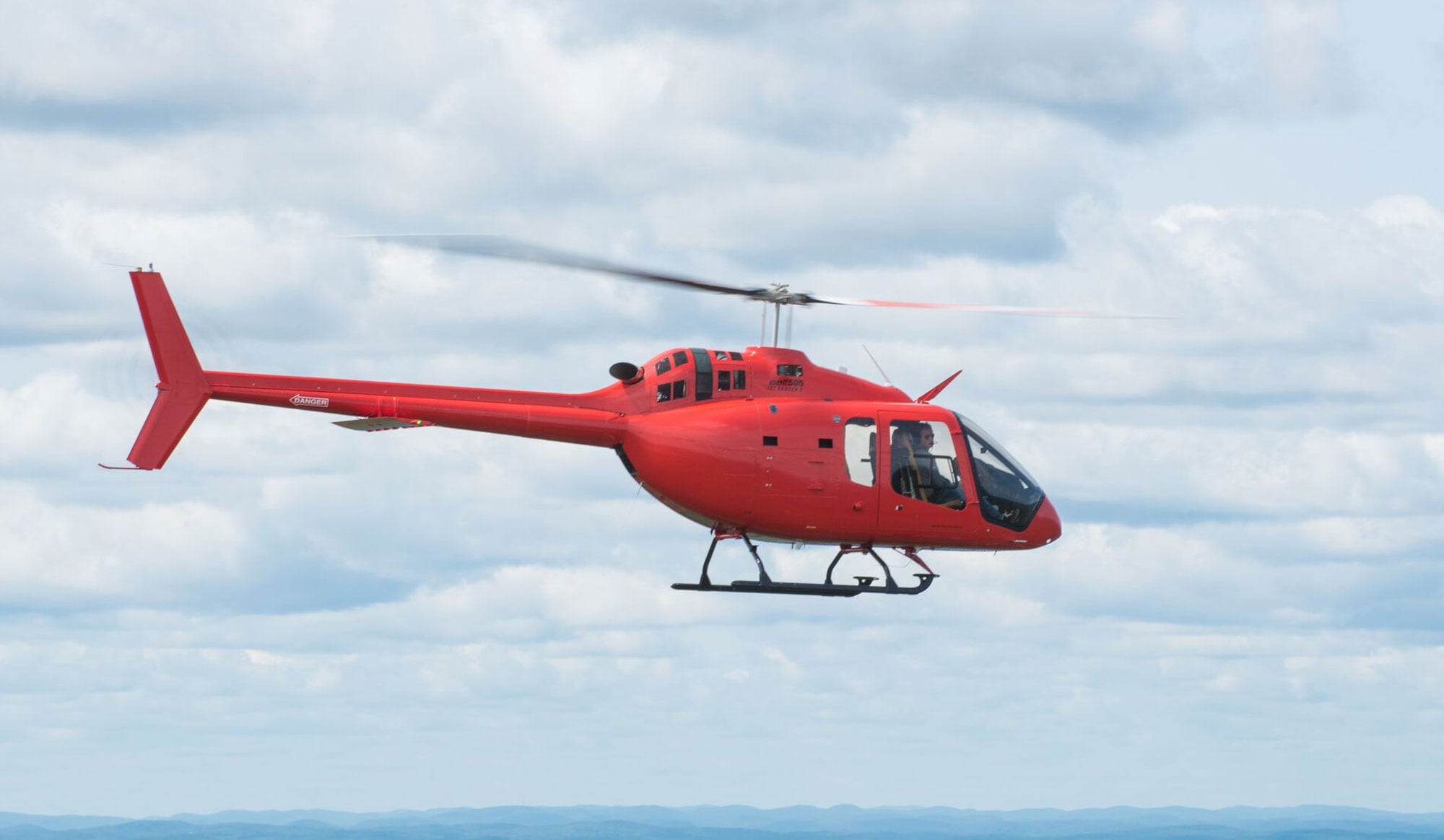
Bell Textron has successfully advanced to the second phase of the U.S. Army’s Flight School Next competition, positioning the company as a key player in the transformation of how future Army aviators are trained. This initiative aims to modernize the initial rotary-wing flight training program, moving away from outdated training models reliant on legacy aircraft.
The Army selected Bell among other industry competitors to present a comprehensive training solution centered around the Bell 505 helicopter. This offering encompasses not only the aircraft itself but also integrated training services and advanced digital learning tools. Historically, Bell aircraft have played a pivotal role in Army flight schools, beginning with the H-13 Sioux and continuing with aircraft such as the UH-1H and TH-67, which have equipped countless generations of pilots with the foundational skills needed for rotary-wing aviation.
Now, Bell is proposing the deployment of the Bell 505, a modern light single-engine helicopter that is already utilized by various military and civilian organizations. To enhance training efficiency, Bell is integrating the aircraft with its Bell Training Academy, which offers a blend of flight instruction, simulation training, and academic courses aimed at streamlining training timelines while ensuring consistent outcomes.
The Flight School Next initiative represents a significant shift in the Army’s approach to aviation training. It seeks to replace a long-standing training model tied to legacy systems, promoting a more efficient and effective learning environment for aviators. The program aims to alleviate training bottlenecks and better prepare students for operational roles in more advanced aircraft such as the UH-60 Black Hawk and AH-64 Apache.
As a competitive industry program, Flight School Next encourages companies to deliver an all-encompassing training ecosystem that includes aircraft, simulators, maintenance, instructors, and digital tools. The Army has established a strong emphasis on outcomes-based training, prioritizing the acceleration of student progress without compromising either proficiency or safety. As this process unfolds, Bell Textron remains firmly in the race, poised to shape the future of Army aviation training.


