




Israel and Germany have formalized a security pact aimed at enhancing cooperation in counterterrorism and cyber defense, as highlighted by an announcement from Israeli Prime Minister Benjamin Netanyahu’s office. This agreement comes amidst rising concerns regarding threats from Iran and its affiliates, including Hezbollah, Hamas, and the Houthis, which are seen as challenges not just to Israel’s security but also to regional and international stability.
Netanyahu’s office stated that the newly signed declaration underscores a significant partnership with Germany in various security domains, particularly focusing on advanced technologies and cyber security. The Prime Minister reassured that “Israel’s enemies should know: our eyes are on them at all times and everywhere,” emphasizing the proactive stance that the nation intends to maintain.
The pivotal signing took place between Netanyahu and German Interior Minister Alexander Dobrindt, who is currently visiting Israel. Netanyahu remarked on the natural collaboration between the two nations, referencing their joint undertakings like the Arrow III missile defense system, underscoring a long-standing relationship in defense initiatives.
The recent agreement goes beyond mere declarations; it serves to solidify a comprehensive security alliance between the nations’ security agencies. Last month, Germany took a significant step by approving a $3.1 billion extension of its contract for the Arrow 3 anti-ballistic missile defense system. This system, developed in collaboration with US support, has now escalated the contract’s total value to approximately $6.5 billion, marking it as Israel’s largest military export deal.
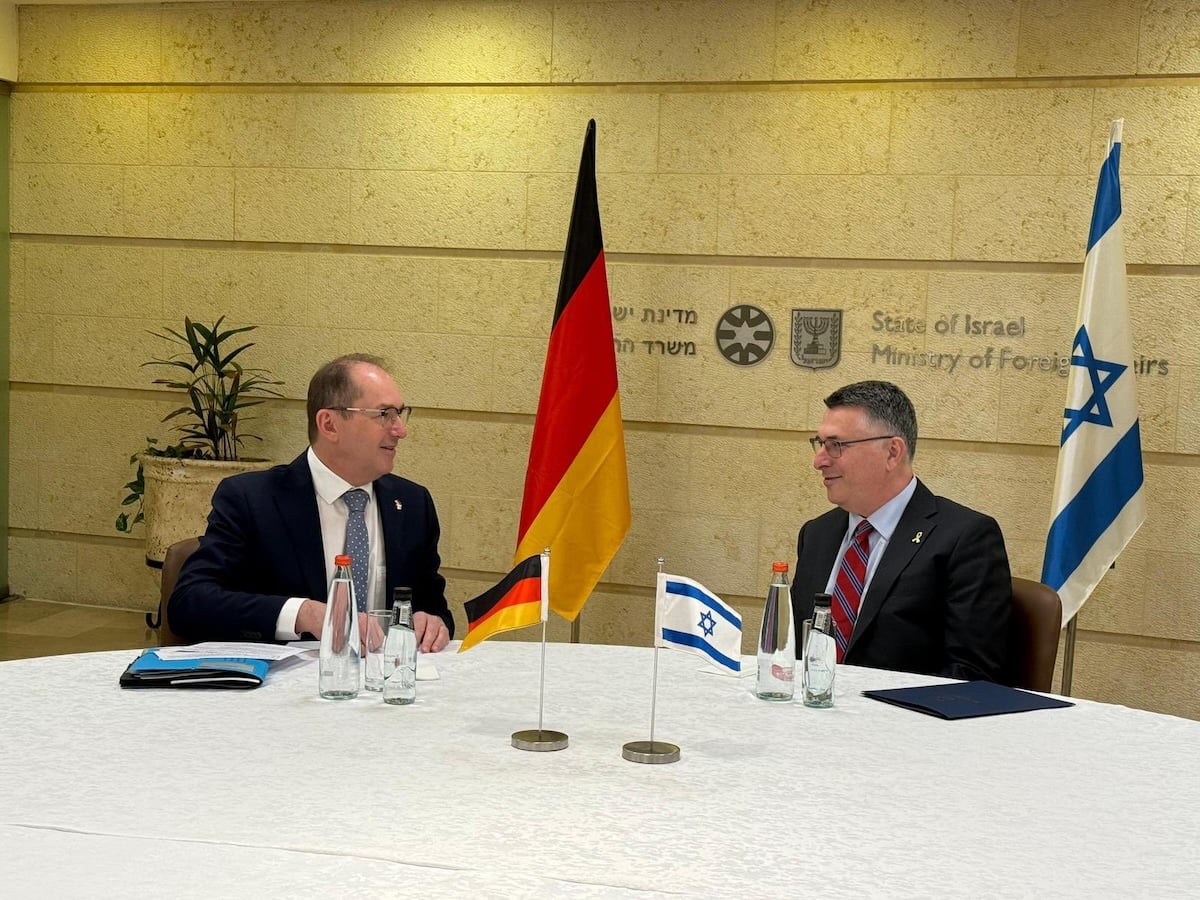
In related developments, Israel’s Foreign Minister Gideon Saar held discussions with Dobrindt earlier on the same day, pressing the European Union to classify Iran’s Islamic Revolutionary Guard Corps as a “terrorist organization.” This plea aligns with the ongoing unrest in Iran, where widespread protests, ignited by economic frustrations, are morphing into a broader resistance against the long-standing theocratic regime established since the 1979 revolution.
The cooperation agreement between Israel and Germany encapsulates a strategic approach to dealing with complex security challenges in the region, reflecting both nations’ commitment to bolstering their defenses against shared threats.


