




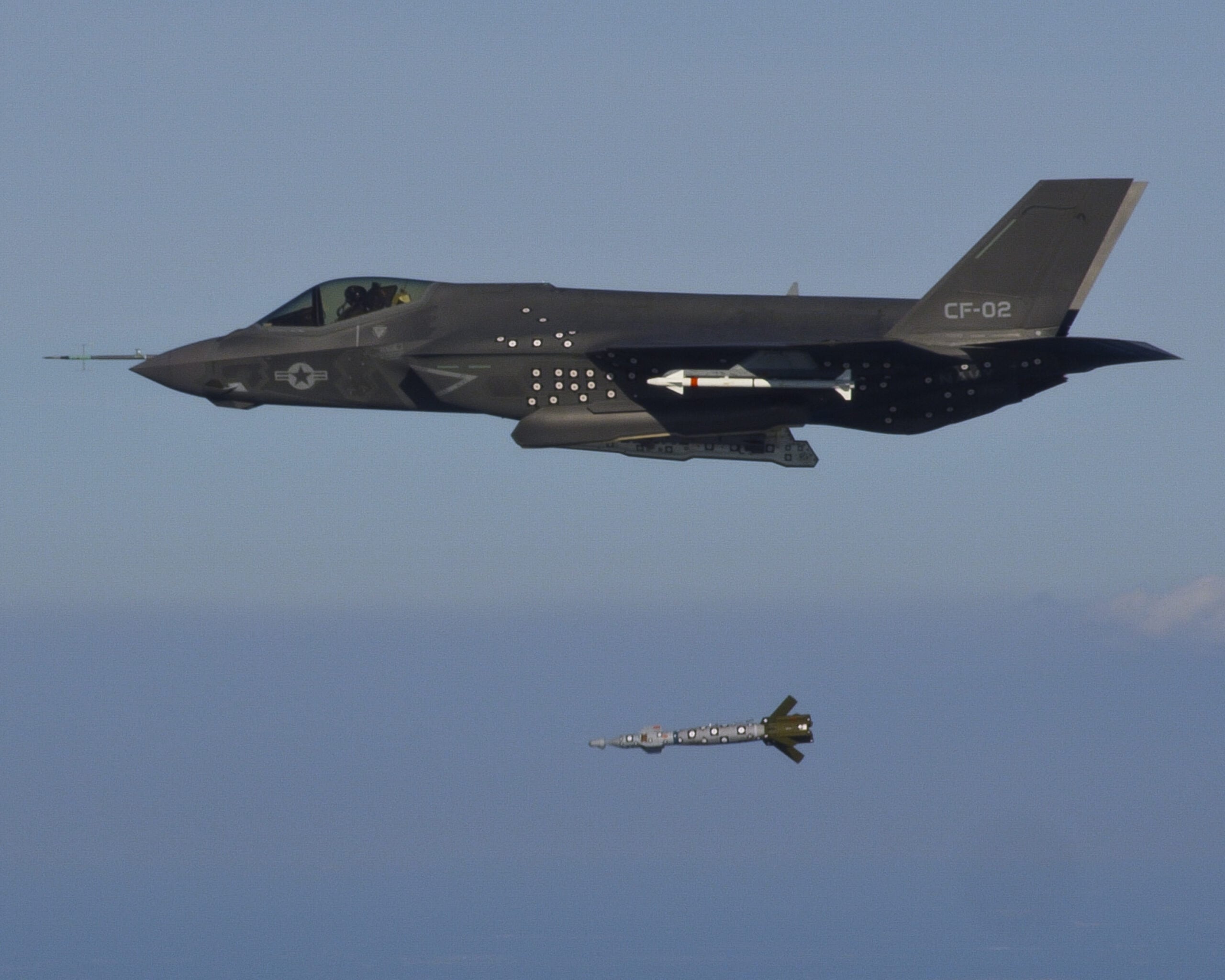
In the evolving landscape of modern warfare, the GBU-12 Paveway II laser-guided bomb epitomizes a strategic adaptation to the demands of precision and budget constraints that emerged in the post-Cold War era. Designed as a simple add-on kit rather than a fully new weapon, the GBU-12 allows existing bombs to be transformed into nimble and precise munitions.
The GBU-12 is a lightweight bomb, weighing in at 500 pounds, and has gained prominence for its effectiveness in close air support missions. Its creation stemmed from the pressing need for a low-cost solution to enhance the accuracy of munitions without the necessity of redesigning both warheads and aircraft. The development team achieved this by conceptualizing a compact computer control group paired with an air foil group that can be easily bolted onto current gravity bombs, providing an unprecedented level of accuracy and first-shot effectiveness for military commanders.
Initially introduced in the late 1970s and continuously upgraded, the Paveway II series has proven its worth across various conflicts, including Desert Storm, Afghanistan, and Iraq. The system’s ability to convert stockpiled Mk-series bombs into precision-guided weapons has made it invaluable in multi-national operations. The upgraded Paveway II Plus iteration introduces field-programmable electronics that enhance reliability and adaptability, ensuring its relevance in the ever-changing landscape of aerial warfare.
Both the engineering and functionality of the GBU-12 revolve around its integration of advanced guidance systems. The bomb utilizes a semi-active laser homing guidance mechanism, which requires a designated laser target from aircraft, drones, or ground controllers. Once targeted, the bomb’s seeker detects laser energy reflected from the aim point, feeding this data to the weapon’s computer control group. In response, the control group directs the bomb’s canards (aerodynamic surfaces) to navigate precisely to the target.
The practical design considerations of the GBU-12 enhance its reliability. Materials such as a glass detector lens and moisture-resistant aluminum designs contribute to its robustness in various environmental conditions. Furthermore, the modular design allows for straightforward logistical integration with existing military systems, avoiding the need for extensive software or hardware overhauls.
The GBU-12’s strategic significance extends beyond mere operational capabilities; it highlights a shift toward cost-effective precision warfare. By retrofitting legacy bombs rather than investing in entirely new missile systems, forces can achieve higher target effectiveness while minimizing risk to civilian populations. Interoperability remains a crucial advantage, allowing the Paveway II to be utilized across various aircraft platforms from multiple nations, thereby streamlining coalition logistics.
Looking ahead, the future of the GBU-12 lies in its capacity for incremental improvements. Its field-programmable guidance modules promise adaptability in targeting capabilities, potentially incorporating enhanced sensor sensitivity and advanced software updates. Integration with unmanned aerial systems and networked targeting sources could further enlarge its role on the battlefield.
As a reliable, cost-effective, and precise solution for modern militaries, the GBU-12 Paveway II is far from a fleeting innovation. Its track record demonstrates its continued significance as a fundamental tool for air power, aligning closely with the needs and strategic goals of today’s armed forces.


