




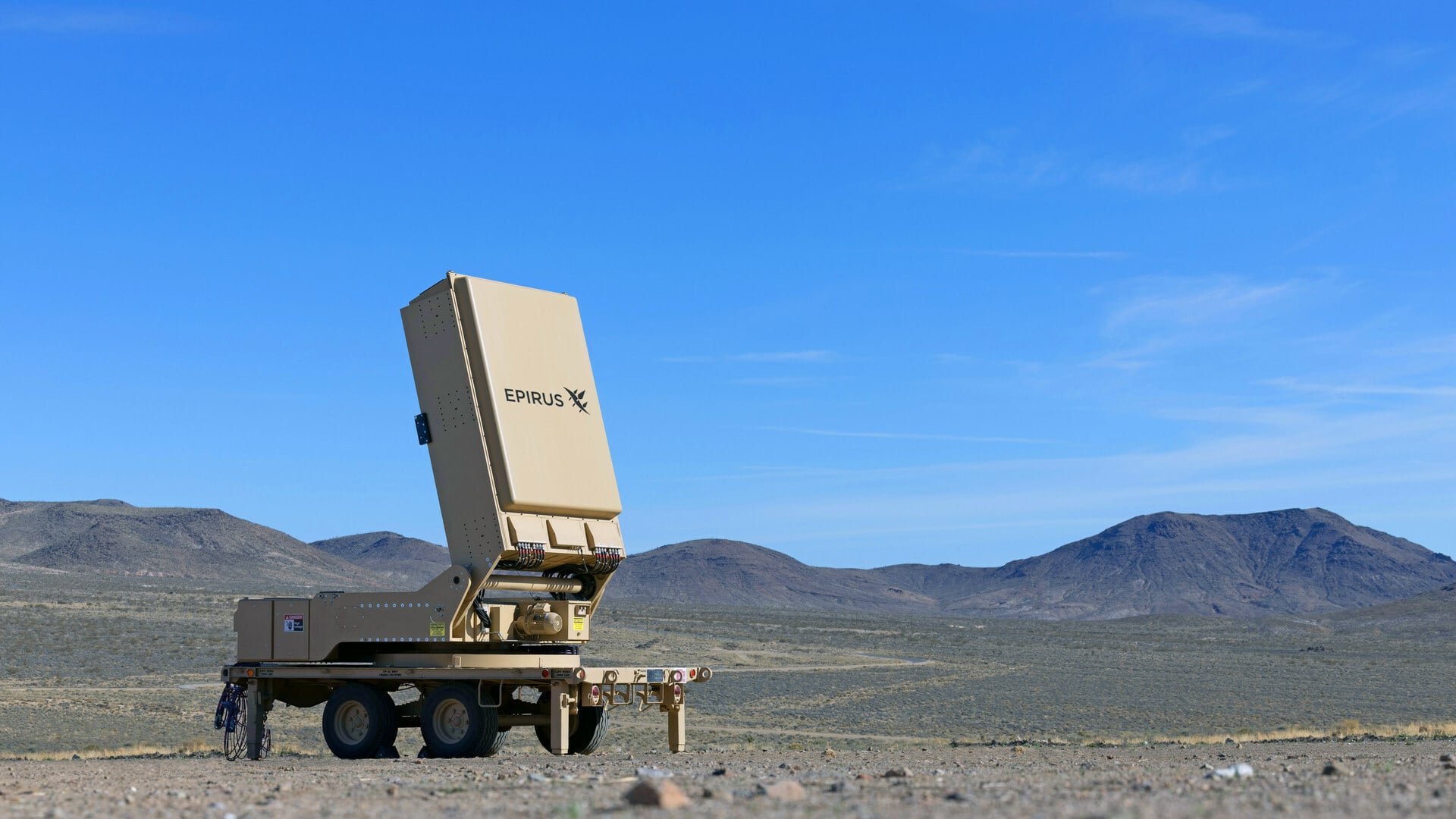
US-based technology firm Epirus has made significant strides in counter-drone technology by successfully neutralizing a fiber-optic-guided drone using its Leonidas high-power microwave system. This breakthrough marks a pivotal advancement beyond previous capabilities, which included defeating conventional drones that depend on radio-frequency control links vulnerable to electronic jamming.
The Leonidas system is specifically designed to counter the unique challenges posed by fiber-optic-controlled drones, which are resistant to traditional electronic warfare tactics such as jamming and spoofing. By employing precise, software-defined electromagnetic energy, the system effectively disables critical onboard electronics of these drones, according to Epirus.
The innovation features non-ionizing radiation and employs highly directional phased-array antennas, allowing for the focused delivery of energy to targets. This design minimizes collateral damage and prioritizes the safety of operators in the field.
The Leonidas platform is versatile, available in both fixed and mobile configurations. The ground-based system harnesses high-power solid-state microwave energy to incapacitate electronic systems, emitting steerable electromagnetic pulses at thousands of times per second. This capability enables the platform to engage single targets or operate in a broad-beam mode to tackle drone swarms effectively, as demonstrated in tests conducted in September.
Utilizing a digitally beamformed antenna, the Leonidas system can differentiate between numerous targets, enhancing its operational effectiveness. The system is built on an open-systems architecture, supporting integration with customer command-and-control networks for efficient unmanned aerial system (UAS) detection, tracking, and engagement.
The significance of this achievement is underscored by the increasing prevalence of fiber-optic first-person-view (FPV) drones, which pose an escalating challenge for existing counter-drone solutions. These drones have seen extensive use in the Ukraine conflict, where both sides have employed them for one-way strikes and intelligence, surveillance, and reconnaissance missions.
Ukrainian officials, including Deputy Prime Minister and Digital Transformation Minister Mykhailo Fedorov, have noted that Russian forces are utilizing fiber-optic FPV drones with effective ranges of up to 31 miles (50 kilometers), highlighting their formidable impact on logistics and personnel.
Epirus CEO Andy Lowery emphasized the transformative nature of fiber-optic guided UAS in drone warfare and pointed out the operational gaps these present for counter-drone defenses. “The proliferation of fiber-optic guided UAS represents a major shift in drone warfare and exposes a growing operational gap for counter-UAS defenses — one that Leonidas is designed to address and close,” he stated.
Lowery also described Leonidas as a critical breakthrough in non-kinetic defense, asserting that its capacity to counter this emerging class of threat solidifies Epirus’ status as a leader in the development of scalable, multi-target counter-UAS platforms.


