




A U.S.-backed initiative aimed at resolving the ongoing conflict in Gaza is entering its second phase, according to Washington’s chief negotiator. The update comes as various Palestinian factions have reached an agreement regarding the composition of a governing committee intended to oversee post-war governance in the territory.
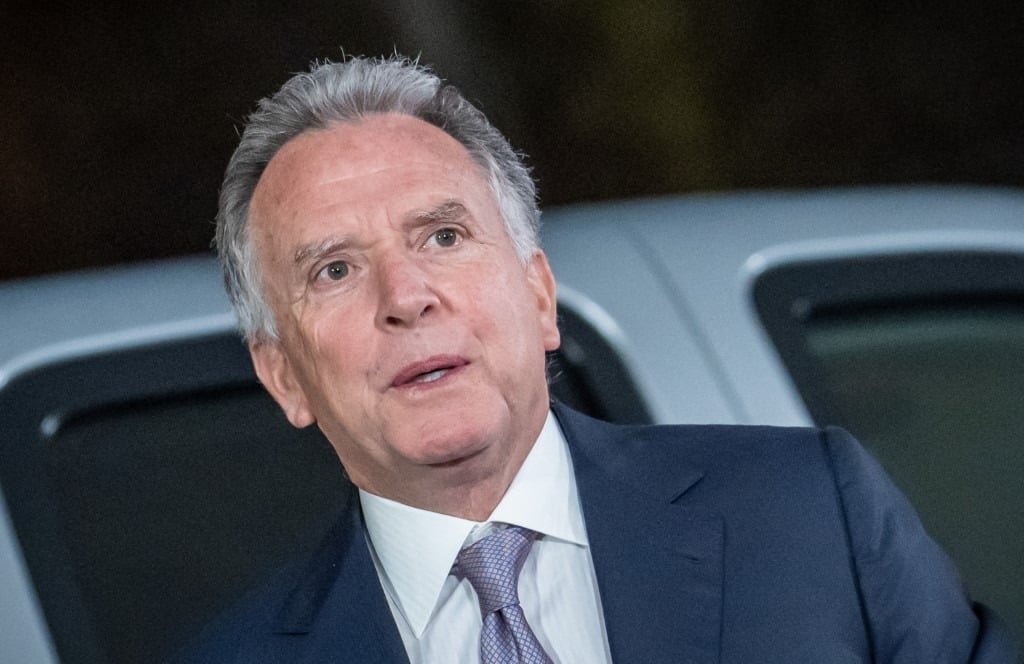
Steve Witkoff, envoy for former President Donald Trump, announced via social media platform X that the plan’s second phase will transition from a ceasefire to strategies focused on demilitarization, the establishment of a technocratic governance structure, and reconstruction efforts.
Phase one of the plan, which began in October, saw the implementation of a ceasefire, a hostage exchange, a limited Israeli troop withdrawal, and an increase in humanitarian aid to the region.
As part of the second phase, a 15-member Palestinian technocratic committee will be established to manage Gaza, under the supervision of a “Board of Peace,” reportedly to be chaired by Trump himself. Egyptian officials confirmed that the membership of this committee has been agreed upon by all Palestinian factions, who have subsequently expressed their support for the initiative.
Ali Shaath, a former deputy minister in the Palestinian Authority, has been designated to lead the new governance body. Mediators from Egypt, Turkey, and Qatar released a joint statement highlighting this development, although they did not disclose the names of the other committee members.
During a press conference in Cairo, Egyptian Foreign Minister Badr Abdelatty expressed optimism that the committee would soon be operational in Gaza, managing essential services and daily life for its residents.
Support for the committee has also been echoed by factions including Hamas and Islamic Jihad, which pledged to foster an environment conducive to the committee’s work. The Palestinian Authority, led by the Fatah movement, also declared its backing, viewing the committee as representative of their interests, with President Mahmoud Abbas at the helm.
While Hamas has reiterated that it does not wish to take a formal role in future governance, it has stated its commitment to ensuring stability and facilitating reconstruction efforts. A senior official from Hamas, Taher al-Nunu, welcomed Witkoff’s announcement, emphasizing the group’s intent to contribute positively to the committee’s initiatives.
Witkoff clarified that the second phase aims for the complete demilitarization of Gaza, which includes the disarmament of unauthorized personnel. The extent to which Hamas, historically resistant to disarmament, will comply with this demand remains uncertain. Witkoff also stressed that the U.S. expects Hamas to meet its obligations, including the return of the last deceased hostage held in Gaza.
Israeli officials have made it clear that they will not engage in discussions regarding the second phase until this hostage, Ran Gvili, is returned. Advocates for Gvili, including the Hostages and Missing Families Forum, have urged Prime Minister Benjamin Netanyahu to uphold his commitment to refrain from advancing to the next phase until the situation is resolved.
Despite concerns about the technocratic committee’s formation, Netanyahu has assured Gvili’s parents that this process will not hinder ongoing efforts to secure their son’s return.
Discussions in Cairo have also included topics such as the withdrawal of Israeli forces from Gaza, the reopening of the Rafah crossing, and the distribution of humanitarian aid stockpiled in Egypt. A senior Hamas official noted that preparations for the second phase are underway.
Furthermore, the proposed Board of Peace is anticipated to be led by Bulgarian diplomat Nickolay Mladenov, who has previously engaged with both Israeli and Palestinian representatives in a bid to promote peace. Mladenov is known for his past role as the United Nations envoy for the Middle East peace process.
Media speculation suggests that Trump may soon unveil the members of the Board of Peace, which is expected to include about 15 global leaders, indicating a potential shift in international involvement in the peace process.


