




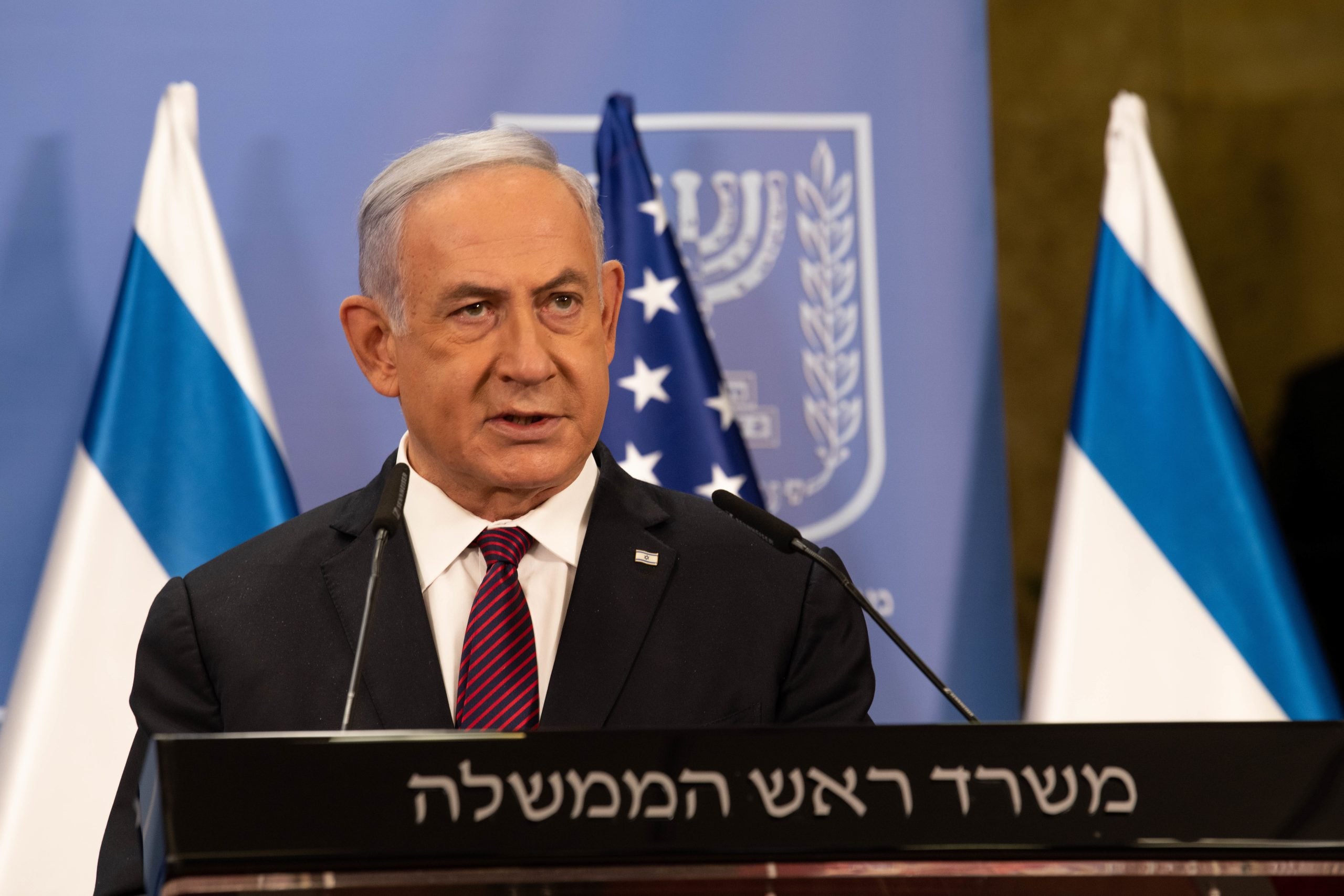
Prime Minister Benjamin Netanyahu announced on Tuesday that Israel’s strategic focus would shift towards disarming Hamas and demilitarizing Gaza following the return of the last hostage from the territory. In a televised press conference, Netanyahu declared that no reconstruction efforts would commence in Gaza until these two objectives were achieved.
In his remarks, Netanyahu reiterated his government’s stance against the establishment of a Palestinian state in Gaza and emphasized Israel’s intention to maintain security control over both Gaza and the occupied West Bank, despite an increasing international acknowledgment of Palestinian statehood.
Following a US-sponsored ceasefire plan that has been in place since October 10, the first phase required the return of all hostages held by Hamas, which culminated recently with the return of Ran Gvili’s remains. Hamas had taken 251 hostages during its attack on October 7, 2023, igniting the ongoing conflict. While the militant group indicated that it returned Gvili’s body as part of its commitment to the ceasefire, it has yet to disarm.
Netanyahu stressed that there would be no reconstruction in Gaza until Hamas was disarmed, countering claims that such efforts could start prior to demilitarization. “It will be done the easy way or the hard way. But in any case, it will happen,” he asserted.
He also firmly rejected the idea of a sovereign Palestinian state in Gaza, stating, “it hasn’t happened and it will not happen,” and claimed credit for previously stymieing efforts toward a two-state solution. As international sentiments shift towards recognizing Palestinian statehood, fueled by the devastation in Gaza, Netanyahu reaffirmed Israel’s ongoing security presence, stating the necessity for control “from the Jordan (River) to the sea” would persist.
In a broader geopolitical context, Netanyahu touched upon recent comments made by US President Donald Trump regarding Iran. The US has deployed a carrier strike group to the region amid escalating tensions, particularly in light of Iran’s actions against anti-government protests. Netanyahu warned that if Iran made the “grave mistake” of attacking Israel, the response would be unprecedented.
Trump had indicated that while a military presence was significant, diplomatic channels remained open, claiming Iran had made overtures for a deal. In response, Iran’s President Masoud Pezeshkian criticized US threats as attempts to destabilize regional security during a conversation with Saudi Crown Prince Mohammed bin Salman.
The ongoing conflict has drawn wider international scrutiny, particularly after Israel’s military actions in the region. Last June, Israel engaged in a 12-day conflict with Iran that involved targeted strikes against military positions and key figures within the Iranian military structure. The conflict escalated tensions further, with Iran retaliating through missile attacks on Israeli cities and U.S. involvement briefly intensifying before a ceasefire was declared.


