




In a strategic move to enhance aerial security, German defense companies HENSOLDT and TYTAN Technologies have formalized a partnership aimed at advancing counter-unmanned aerial systems (UAS) capabilities. This collaboration focuses on the integration of TYTAN’s innovative interceptor drones with HENSOLDT’s sophisticated sensor suite and the Elysion Mission Core command-and-control software, creating an operational framework intended to safeguard both civilian and military infrastructures from the rising threat of unauthorized drones.
The development and system integration will be based in Bavaria, situated in southeastern Germany, highlighting the regional commitment to elevate defense capabilities. The initiative not only emphasizes the interception of hostile UAVs but also extends to broader protections for critical infrastructure. This includes efforts in surveillance, threat assessment, and rapid response planning, executed in synergy with both federal and state authorities, ensuring a comprehensive approach to aerial security.
Additionally, this partnership is poised to engage in international projects that address NATO air defense requirements while also contributing to European initiatives aimed at providing operational support for Ukraine. This global engagement underscores the urgency and necessity of improved aerial defense mechanisms in light of evolving threats.
Oliver Dörre, CEO of HENSOLDT, expressed enthusiasm about the collaboration, noting that it combines agility, innovative capabilities, and top-tier system integration expertise. “In this way, we are contributing to significantly and rapidly enhancing protection against the increasing threats posed by drones,” he asserted, indicating the pressing need for advanced protective measures.
The technological components highlight the sophistication of modern defense solutions. TYTAN’s interceptor drone is engineered for rapid deployment, capable of launching within seconds and navigating towards incoming UAS threats. Equipped with computer vision technology for target acquisition and tracking, these interceptors are designed to engage hostile drones through direct kinetic collisions. The drone boasts an impressive top speed exceeding 250 kilometers (155 miles) per hour, with a range surpassing 15 kilometers (9.3 miles) and weighing around 5 kilograms (11 pounds).
Complementing this is HENSOLDT’s Elysion Mission Core, which consolidates data from a variety of sources, including radar systems, electro-optical and infrared cameras, radio-frequency sensors that pick up drone communications, and acoustic devices that monitor drone noise patterns. This comprehensive information collection allows for the efficient detection, tracking, and prioritization of drone-related threats.
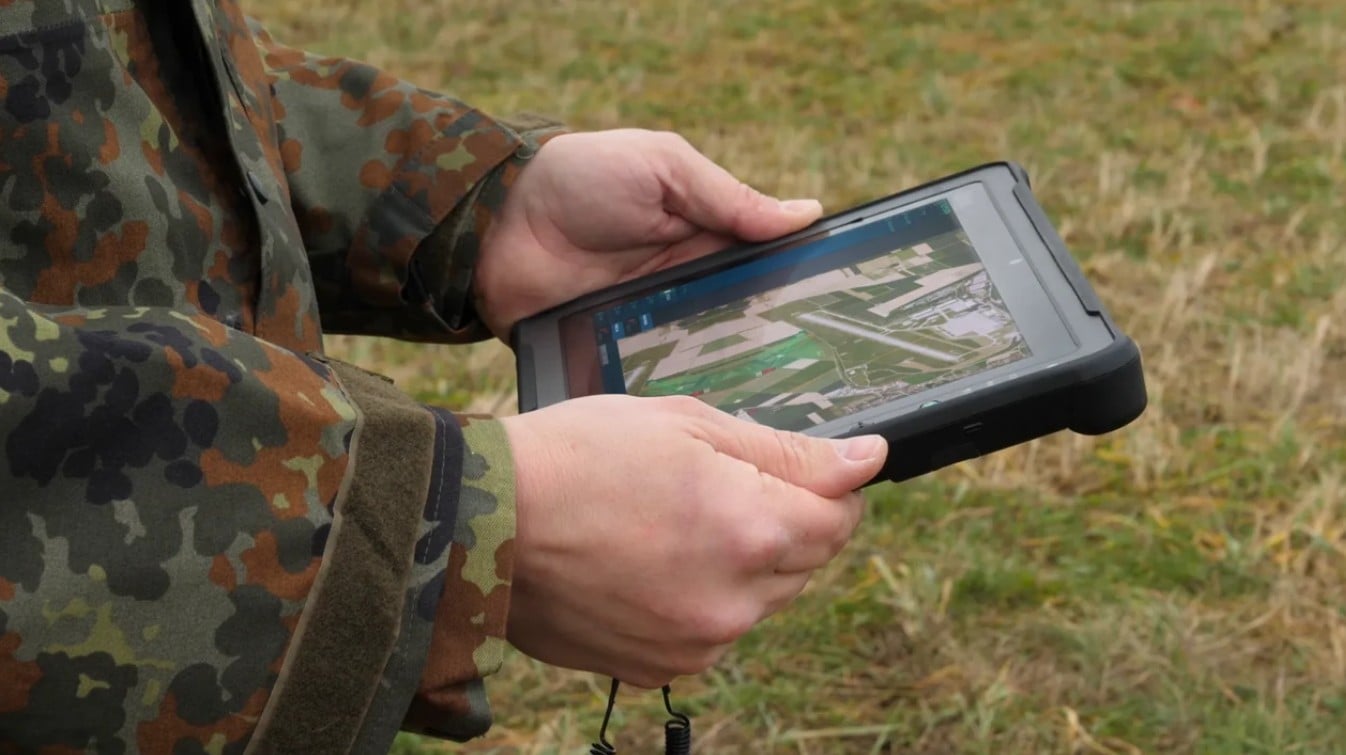
The Elysion software also delivers an integrated operational picture via a real-time map-based interface, showcasing detections, connected assets, and protected areas. This system facilitates control over sensors and countermeasures from a centralized workstation or tablet, with automated tools available to evaluate threats and suggest appropriate responses.
This collaboration not only signifies a significant step forward for both companies but also represents a proactive response to an increasingly complex security landscape characterized by the proliferation of drone technology.


