




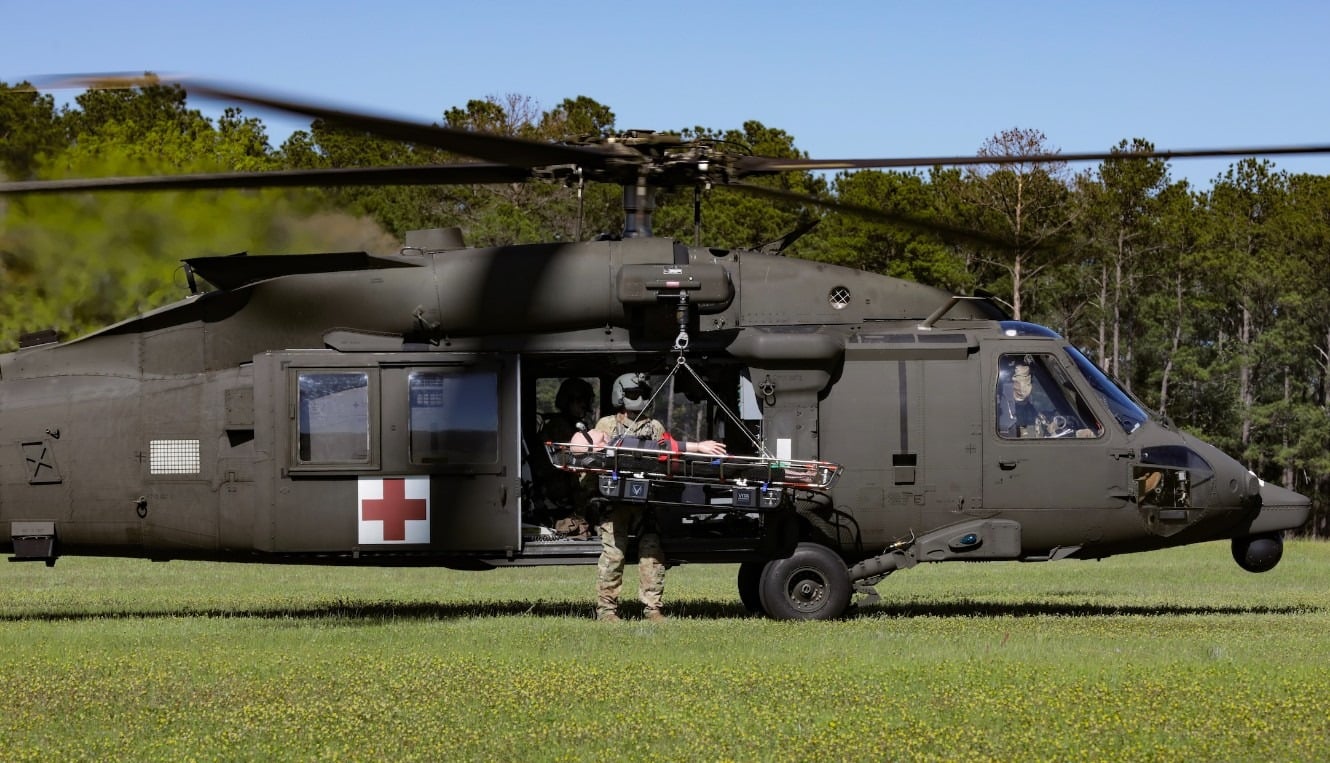
Vita Inclinata has announced a significant contract worth $45.6 million with the US Army Utility Helicopter Program Office, aiming to deliver the Vita Rescue System (VRS). This innovative autonomous stabilization system is designed to enhance aircrew control over rescue hoist operations during critical recovery missions.
The primary objective of the VRS is to mitigate risks to both personnel and equipment. According to the company’s statements, the system can operate up to four times faster than current rescue tactics, significantly reducing the time spent over potentially dangerous target areas.
The comprehensive five-year contract encompasses not only the delivery of the VRS systems but also includes ongoing sustainment and maintenance support within various organizations of the US Department of Defense. Initial units will be distributed to US Army Active-Duty and Army National Guard units, marking a step forward in modernizing rescue capabilities.
The timely rollout of the VRS follows its approval by the US Army, achieved through rigorous airworthiness testing and operational assessments. Caleb Carr, CEO of Vita Inclinata, emphasized the system’s life-saving mission, stating, “The VRS was built for one purpose: to bring people home safely. By enabling deployment across the Department of Defense, this contract ensures more lives will be saved in the most dangerous environments.”
The VRS features a magnetic drive that stabilizes rescue loads swiftly and maintains control throughout the hoist process, even in strong airflow generated by helicopter rotors. Its onboard sensors and thrust-vectoring system are capable of monitoring movement and environmental conditions, analyzing up to 1,000 data points per second to ensure optimal load orientation. In circumstances where manual intervention is necessary, operators retain the ability to rotate the load as needed.
Additionally, the VRS can be operated remotely through a wireless control pendant, providing a range of up to 1,000 feet (approximately 300 meters). This feature allows for effective stabilization and orientation without the need for ground personnel intervention.
Designed to function in a range of environments—including urban, wooded, mountainous, and maritime settings—the VRS is built to endure challenging conditions. It is capable of withstanding temporary submersion at depths of 6.5 feet (2 meters) for up to 30 minutes during water rescue operations. The system is also battery-powered, with replaceable batteries designed to support prolonged missions, ensuring that it remains operational even in extended rescue scenarios.


