




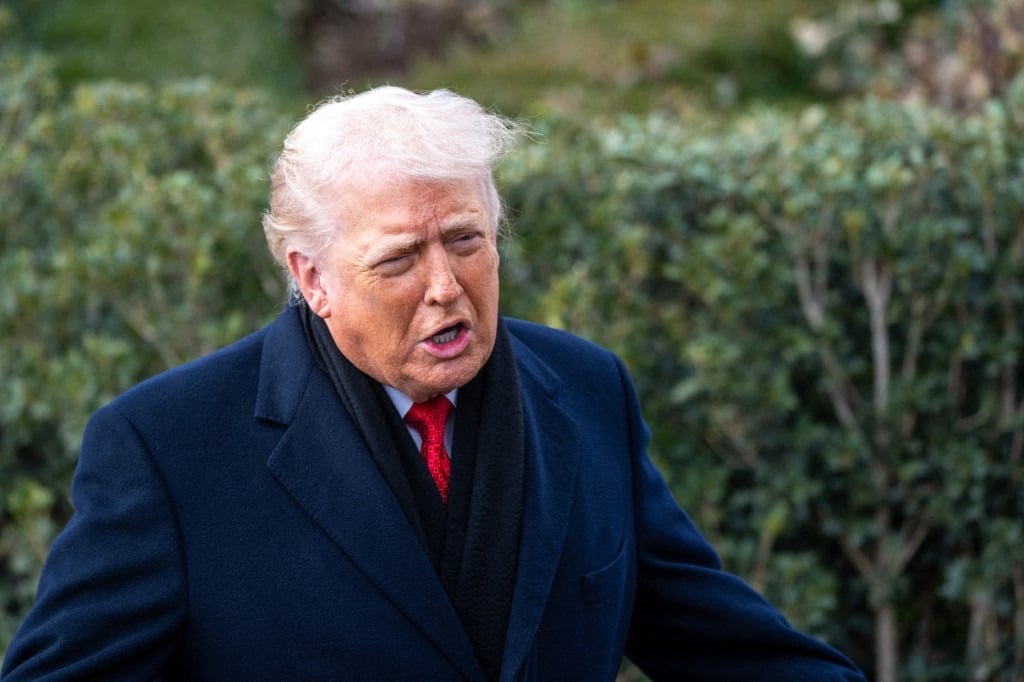
US President Donald Trump described recent discussions regarding Iran as productive following indirect talks held in Muscat, Oman, with both parties expressing optimism about ongoing negotiations. Trump announced plans for another round of discussions next week, affirming that “very good talks” took place during the meeting.
The dialogue involved American and Iranian delegations, with no face-to-face meetings occurring. Instead, they communicated through Omani mediators while a US naval group, led by an aircraft carrier, operated in the region. Trump, speaking from Air Force One, indicated that these discussions could pave the way for further engagement.
Shortly after the talks, the US government imposed new sanctions targeting shipping entities and vessels involved in Iran’s oil exports. Trump also enacted an executive order granting his administration the authority to impose tariffs on goods from nations conducting business with Iran, potentially affecting trade relationships with countries like China, Germany, and the UAE.
The context of these negotiations is complicated, as they are the first since the US escalated its military involvement against Iranian nuclear sites in June. While Iran condemned any threats from the US, Trump warned that “the consequences are very steep” if negotiations fail.
Iran’s Foreign Minister Abbas Araghchi, who led his nation’s delegation, confirmed that discussions centered solely on Iran’s nuclear program, which the West fears could lead to the development of nuclear weapons, a claim the Iranian government has repeatedly denied. Araghchi characterized the atmosphere of the talks as positive and expressed hope that the US would avoid continuing threats and coercion to allow negotiations to progress.
Notably present at the discussions was Admiral Brad Cooper, commander of US Central Command. The exchanges included multiple sessions throughout the day, with both sides moving between meetings at the residence of Omani Foreign Minister Badr Albusaidi. The Qatari foreign ministry expressed a desire for a comprehensive agreement that would bolster security and stability in the region.
The US administration aims to limit Iran’s nuclear capabilities, which Tehran continues to assert are entirely peaceful. French Foreign Minister Jean-Noel Barrot commented on Tehran’s role as a “destabilizing power” in the region, urging Iran to exercise restraint with groups it supports amidst any potential military conflicts.
Trump’s recent threats of military action followed Iran’s crackdown on protesters, which has reportedly resulted in thousands of deaths, according to the US-based Human Rights Activists News Agency (HRANA). The Iranian government has faced scrutiny for its handling of dissent, with significant numbers of arrests and reports of forced confessions.
Despite rising tensions and Iran’s promises of retaliation against US interests if attacked, the Trump administration remains focused on curtailing Iran’s nuclear ambitions and oil exports. State Department spokesperson Tommy Pigott underscored that the sanctions are part of a broader “maximum pressure campaign” aimed at restricting the Iranian regime’s financial resources.


