




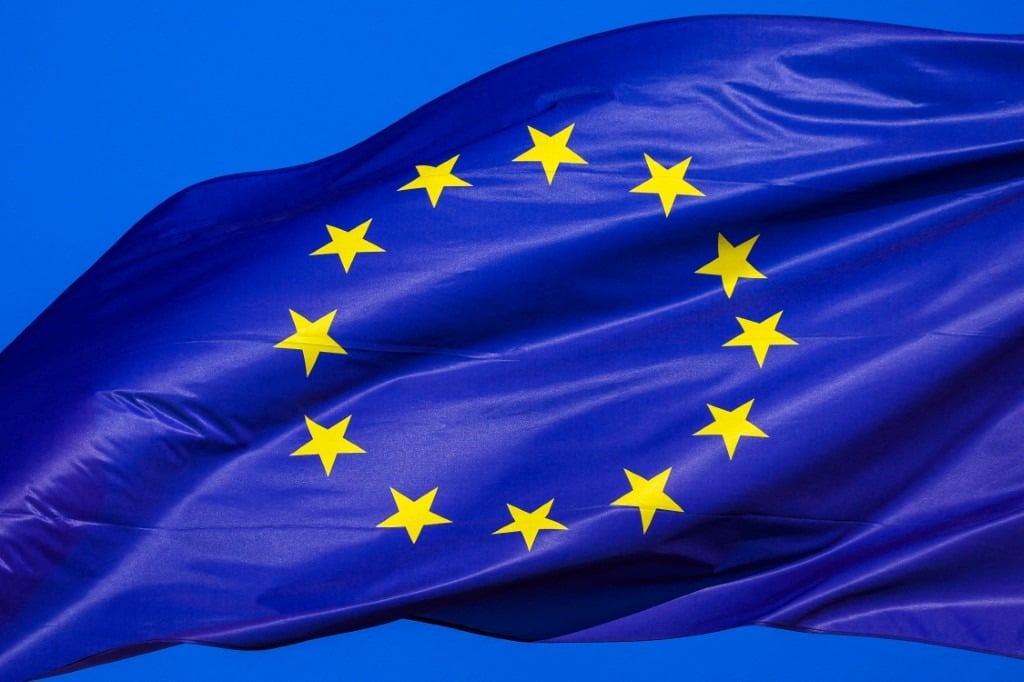
The European Union is expressing a strong desire to commence membership discussions with Ukraine “as soon as possible,” according to European Council President Antonio Costa. However, he refrained from specifying a definitive timeline for these negotiations during his recent visit to Oslo.
The United States has proposed a potential timeline for Ukraine’s accession to the EU, positing a goal of January 2027. Nevertheless, many experts regard this target as overly optimistic given the complexities involved.
Costa emphasized the importance of not losing momentum in the ongoing enlargement process, stating, “We want that, as soon as possible, we could formally open the negotiations and move forward.” While he could not guarantee a starting date in 2026 or 2027, he noted that the critical factor is maintaining progress.
Ukraine submitted its application for EU membership shortly after Russia launched a full-scale invasion in 2022, motivated by a desire for accelerated integration into the European community. Typically, the application process is protracted, spanning many years.
Costa highlighted Ukraine’s commitment to necessary reforms despite the challenges posed by the ongoing conflict. “What is very impressive is that Ukraine, in spite of this terrible war that they are facing, they are delivering the reforms that they need to be a full member of the European Union,” he remarked.
In response to inquiries about the potential for a limited or “EU light” membership for Kyiv, Costa reaffirmed that “there are rules for the accession process.” He referenced the Copenhagen criteria, established in 1993, indicating that candidate states must fulfill certain requirements before membership can be granted.
Furthermore, he noted the necessity for unanimous approval from all EU member states. Notably, Hungary, under the leadership of Prime Minister Viktor Orban, has exhibited open hostility towards Ukraine’s candidacy, although it previously supported Ukraine’s candidate status in 2022.
Historically, the quickest EU membership process was completed by Finland, which joined the bloc just three years after submitting its application. In contrast, Turkey’s application, submitted nearly 30 years ago, remains stalled, highlighting the varied trajectories of different candidates seeking EU membership.


