




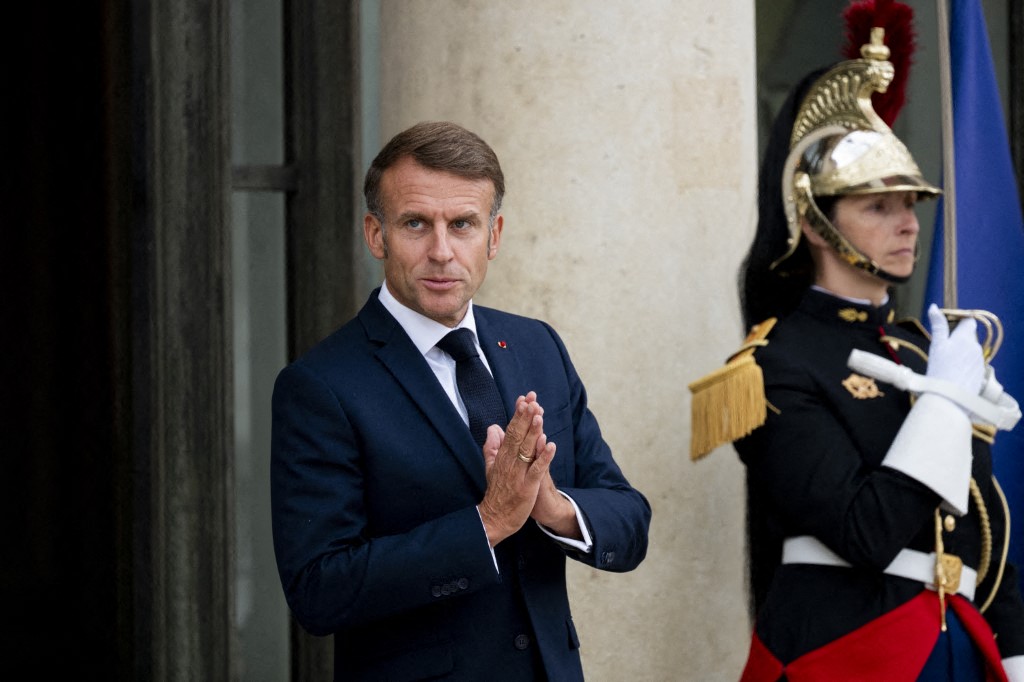
France is preparing to present a new framework for utilizing the European Union’s only nuclear arsenal, focusing on enhancing continental security amid growing global instability. President Emmanuel Macron’s address, scheduled for Monday at the Ile Longue submarine base, emerges against a backdrop of heightened tensions, notably due to Russia’s aggression and recent military actions by the United States and Israel in Iran.
A member of Macron’s team emphasized the necessity of power and independence in the face of proliferating threats, suggesting that recent global events underscore an urgent need for strategic re-evaluation. With the war in Ukraine entering its fifth year, concerns are mounting among NATO allies regarding the reliability of U.S. military commitments to European defense.
This speech will likely mark a significant update to France’s nuclear doctrine. Sources indicate substantial shifts in policy direction, as the European community increasingly contemplates its own nuclear capabilities. Historically reliant on U.S. nuclear deterrence since the Cold War, European nations are now engaging in discussions about the potential for bolstering their atomic arsenals, particularly in collaboration with countries such as Germany and Poland.
Last year, Macron expressed a willingness to explore the deployment of French aircraft equipped with nuclear weapons across Europe, while also considering tight-knit defense cooperation with select partner nations. France boasts the fourth-largest nuclear arsenal globally, estimated to encompass around 290 warheads, positioning it alongside the United Kingdom as the only other European nuclear state post-Brexit.
Despite reassurances from U.S. officials regarding continued deterrent support for Europe through NATO, apprehensions have persisted, fueled by the unpredictability of U.S. foreign policy under previous administrations. Bernard Rogel, a former military adviser to Macron, underscored the importance of maintaining French control over launch decisions, emphasizing that a “27 buttons” scenario would undermine credibility.
Support for strengthening nuclear deterrence appears to be gaining traction among several European nations, with public opinion in countries like Denmark, Estonia, and Germany increasingly favorable towards the idea of developing alternative European nuclear capabilities. Finland’s defense minister recently articulated optimism about potential investments in France and the UK’s deterrent systems, viewing such developments as beneficial.
However, the path forward is fraught with challenges. Macron’s approval ratings are low, and any dramatic shifts in nuclear policy may provoke backlash, particularly from right-wing factions. Marine Le Pen’s eurosceptic party has issued stern warnings against any perceived transfer of French nuclear authority to the EU, threatening impeachment under accusations of treason.
Experts believe that while there is broad consensus in France on the necessity of possessing nuclear weapons, there remains significant debate over the specifics of nuclear policy. As Macron’s anticipated address approaches, attention will be focused on how these delicate dynamics will unfold in the context of shifting geopolitical realities and internal political pressures.


