




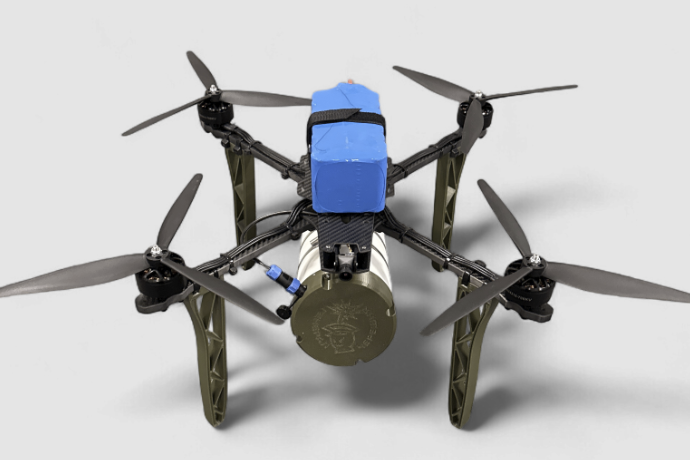
In a significant advancement for drone technology, Ukraine is on the verge of implementing drones that utilize both fiber-optic and radio links for control. This dual connectivity method is designed to enhance operational reliability, especially in combat scenarios where maintaining control over unmanned aerial vehicles (UAVs) is crucial.
During a demonstration, Tetyana Chornovol, a platoon commander in the Armed Forces of Ukraine, showcased footage of a drone in action. The footage illustrated the drone’s ability to relay synchronized video feeds while being controlled through both channels—fiber-optic and radio. This innovative approach allows operators to retain control of the drone even if one of the communication channels fails.
In one notable test scenario, a disruption in the fiber-optic connection was identified, yet the drone managed to cover a distance of approximately 4 kilometers (2.5 miles) without losing operational control. This was achieved through a seamless switch to radio communication, underscoring the effectiveness of the dual-control strategy in overcoming potential connectivity issues.
This development has broad implications for military operations, providing a more robust framework for drone commands in the field. With the capacity to maintain control across varying distances and competing signal demands, such technology could enhance situational awareness and operational effectiveness for Ukrainian forces in their ongoing conflict. The successful tests signal a promising trajectory for the integration of advanced communication technologies in modern warfare.


