




The Services Selection Board (SSB) interview process is set to undergo a significant transformation with the introduction of the Computerised Stage-1 Selection System (CSSS) and the Officer Potential Assessment Model (OPAM). This change aims to make the screening process more scientific, objective, and efficient.
What is CSSS and OPAM in SSB Interview? New Screening Test Explained
The Services Selection Board (SSB) interview process is likely to witness an important update with the proposed introduction of the Computerised Stage-1 Selection System (CSSS). This new approach aims to modernize the traditional screening process while maintaining the core objective of selecting candidates with strong Officer-Like Qualities (OLQs).
Current SSB Screening System
At present, Stage-1 of the SSB consists of:
- Officer Intelligence Rating (OIR) Test
- Picture Perception and Discussion Test (PPDT)
These tests filter candidates within a limited time, which sometimes restricts a candidate’s ability to fully express their potential.
Proposed Change: Computerised Stage-1 Selection System (CSSS)
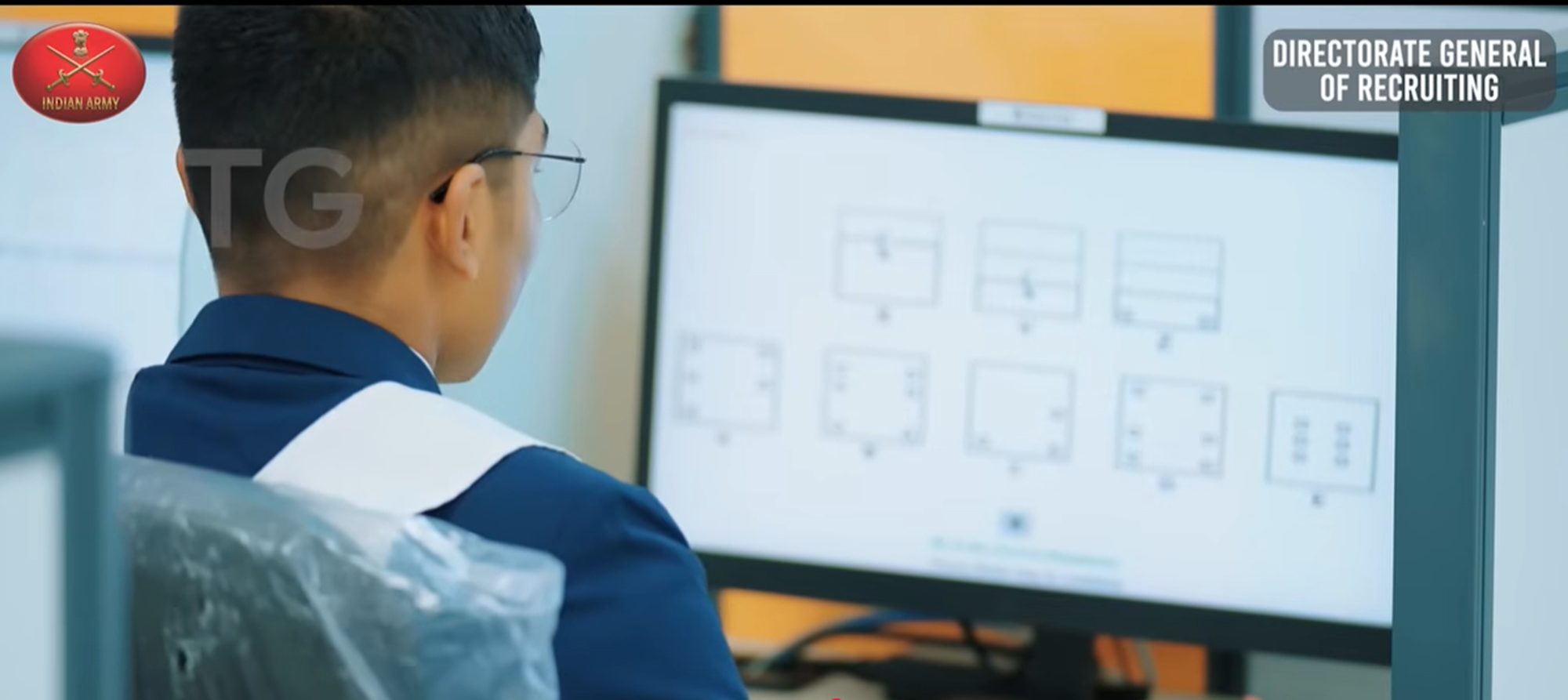
The upcoming system is expected to introduce a computer-based screening test, making the process more structured and data-driven.
- Candidates will attempt a digital test instead of paper-based evaluation
- The test may include around 190 questions
- It will assess two major areas:
- Cognitive abilities
- Personality traits

1. Cognitive Ability Assessment
A portion of the test (around 70 questions) will evaluate mental skills such as:
- Logical reasoning
- Pattern recognition
- Memory and attention
- Spatial and analytical ability
This section focuses on how quickly and accurately a candidate processes information.
2. Personality & Behaviour Assessment (OPAM Concept)
The larger section (around 120 questions) will analyze personality using models like Officer Potential Assessment Model (OPAM).
- Candidates will respond to situational and behavioral statements
- Questions may use rating scales (Agree/Disagree type)
- Focus areas include:
- Leadership
- Responsibility
- Emotional stability
- Decision-making
Such evaluation helps assess real-life behaviour and officer-like thinking.
Key Advantages of the New System
- More objective and unbiased screening
- Better evaluation of personality traits
- Faster and accurate result processing
- Data-driven selection process
Will the SSB Process Completely Change?
No, the fundamental aim of SSB remains the same—to identify candidates with leadership, intelligence, and strong character. The new system will enhance Stage-1 screening, not replace the entire process. Day first will change in computerised format and rest all 4 days process will same as usual.

Implementation Timeline
The new CSSS-based screening is expected to be implemented soon, but it requires:
- Technical setup
- Testing of systems
- Training of staff
Hence, full implementation may take some time, though discussions suggest it could be introduced in the near future.


