




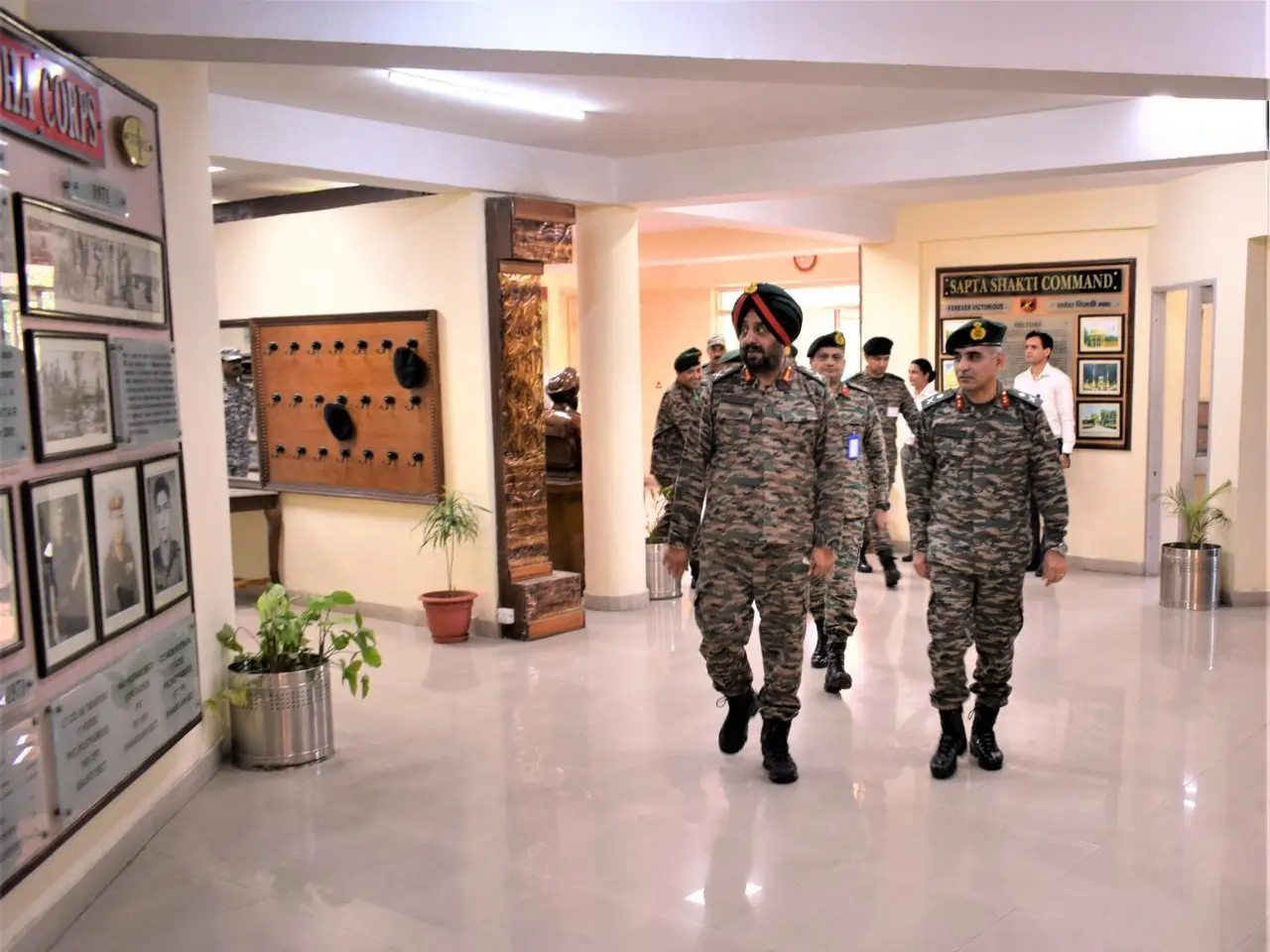
In a significant demonstration of its capabilities, the Indian Army carried out a comprehensive operational validation exercise for the DOT Division, which aimed to evaluate combat readiness and effectiveness in dynamic battlefield conditions. This exercise served as an essential platform for testing and refining operational strategies amidst evolving security challenges.
Lieutenant General Manjinder Singh, the Army Commander of the Sapta Shakti Command, played a pivotal role during the exercise by visiting the formation to oversee the conduct of operations. His presence underscored the importance of leadership engagement in shaping military preparedness. During his visit, Lt Gen Singh interacted with the troops engaged in the exercise, emphasizing the critical need to integrate contemporary warfare techniques with emerging technological advancements. He stressed that such integration is vital for enhancing operational precision, speed, and adaptability on the battlefield.
As part of his review, Lt Gen Singh provided insights into the principles of maneuver warfare, reaffirming its ongoing significance in today’s complex combat scenarios. He urged the formations to continuously evolve their tactical approaches and capitalize on technological innovations to maintain an edge over potential adversaries.
The Army Commander praised the formation for its high standards of training and professionalism, highlighting its unwavering commitment to operational excellence. This exercise not only showcased the Indian Army’s readiness but also reflected its strategic initiative to evolve in response to contemporary threats.
Ultimately, the operational validation reinforced the Indian Army’s dedication to integrating innovative solutions with traditional combat doctrines. This focus on readiness, innovation, and technology positions the Army to meet future battlefield demands effectively. As the security landscape continues to change, such exercises are pivotal for ensuring that Indian forces remain agile and prepared for a variety of operational challenges.


