




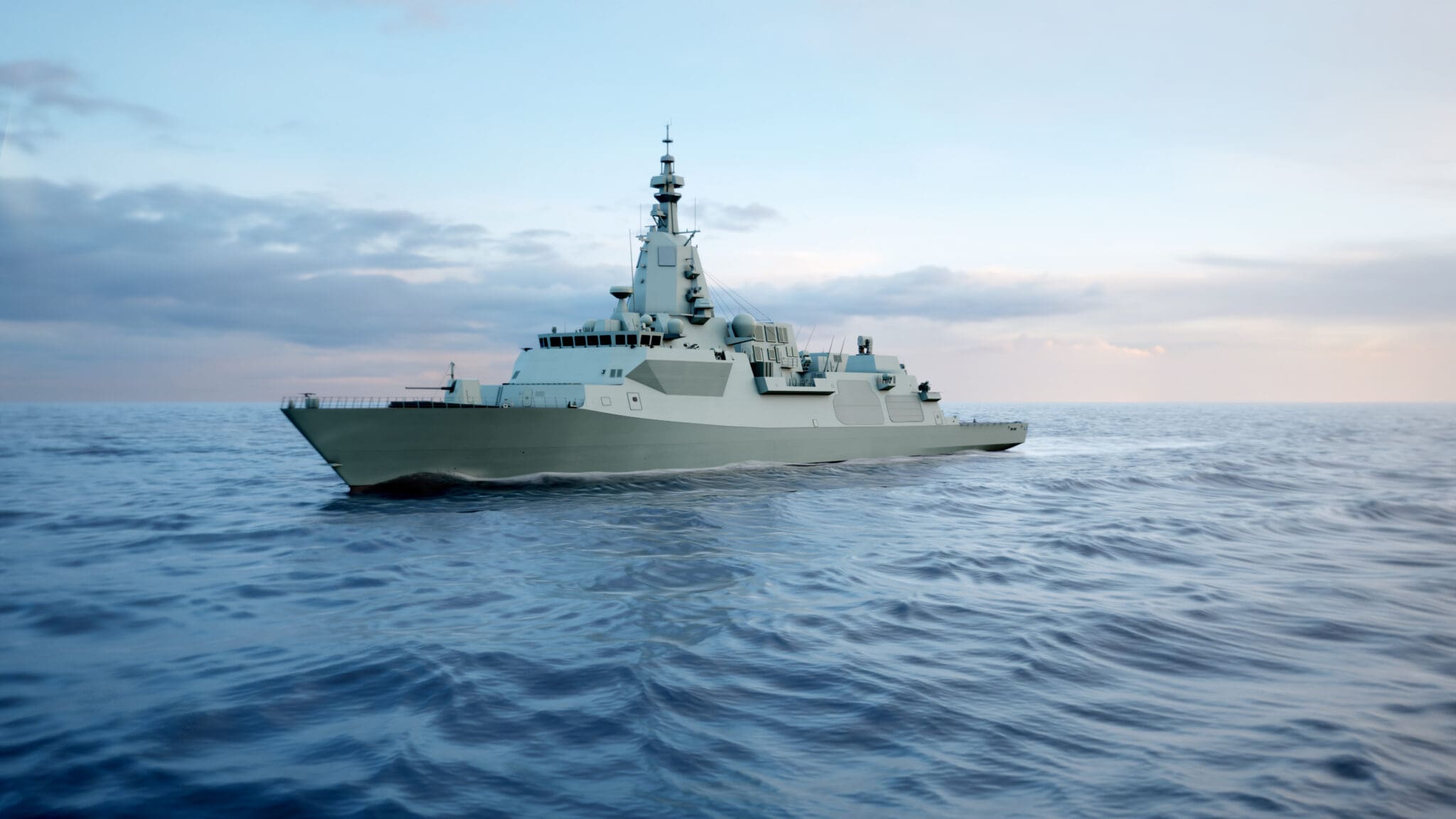
Lockheed Martin Canada has entered into a strategic partnership with Thales Canada to provide the Royal Canadian Navy with the advanced S2087 anti-stealth submarine towed array sonar system. This sophisticated technology is set to enhance the navy’s capabilities in anti-submarine warfare, particularly in detecting and tracking undersea targets over long distances, both in coastal and open-ocean settings.
The S2087 sonar system is a crucial member of the CAPTAS family, already operational on the Royal Navy’s eight Type 23 frigates and anticipated for use on the future Type 26 frigates. Additionally, the Royal Australian Navy has selected the S2087 for its Hunter-class frigates, which share a design lineage with the Type 26. With this acquisition, the Royal Canadian Navy joins the ranks of three out of five nations in the Five Eyes intelligence alliance that will utilize the CAPTAS system, bolstering interoperability among these key allies.
Thales Canada’s commitment to this project extends beyond simply supplying the sonar system. The company plans to collaborate closely with local Canadian industries to ensure that the sonar systems are maintained and upgraded throughout their operational lifecycle, thereby ensuring that these capabilities remain under Canadian control.
Thales Canada CEO Ian Krepps emphasized the significance of this deal, stating, “The S2087 adds a critical layer of capability to the River-class destroyers, ensuring Canada’s surface combatants are equipped to operate effectively in contested maritime environments.” Krepps also reaffirmed Thales’s dedication to investing in local expertise and strengthening sovereign capabilities to safeguard Canada’s national security for the foreseeable future.
The River-class Destroyer program is a cornerstone of Canada’s National Shipbuilding Strategy and represents the most ambitious naval shipbuilding initiative since World War II. Irving Shipbuilding is the prime contractor for the project, with Lockheed Martin Canada serving as the Combat Systems Integrator.
This initiative aims to produce 15 River-class destroyers, with the inaugural vessel expected to be commissioned in the early 2030s and the final ship projected for delivery in the 2050s. The River-class vessels, measuring 151 meters (497 feet), will succeed the Royal Canadian Navy’s Halifax-class frigates and retired Iroquois-class destroyers.
These future warships will be equipped with a formidable arsenal, including guns, autocannons, missiles, and torpedoes, and are designed to support a complement of approximately 210 personnel. In addition to traditional military operations, the vessels will have the capacity to deploy drones, helicopters, and support boats, further enhancing their operational versatility and effectiveness in modern maritime conflicts.


