




India is moving ahead with a major modernisation programme for the Indian Air Force (IAF), with two significant aircraft acquisition initiatives: 60 Medium Transport Aircraft (MTA) and 150 next-generation jet trainers. Together, these programmes are aimed at strengthening India’s airlift capability while modernising the training pipeline for future fighter pilots.
India’s Major Defence Aviation Push: 60 Transport Aircraft and 150 New Trainers
Procurement of 60 Medium Transport Aircraft
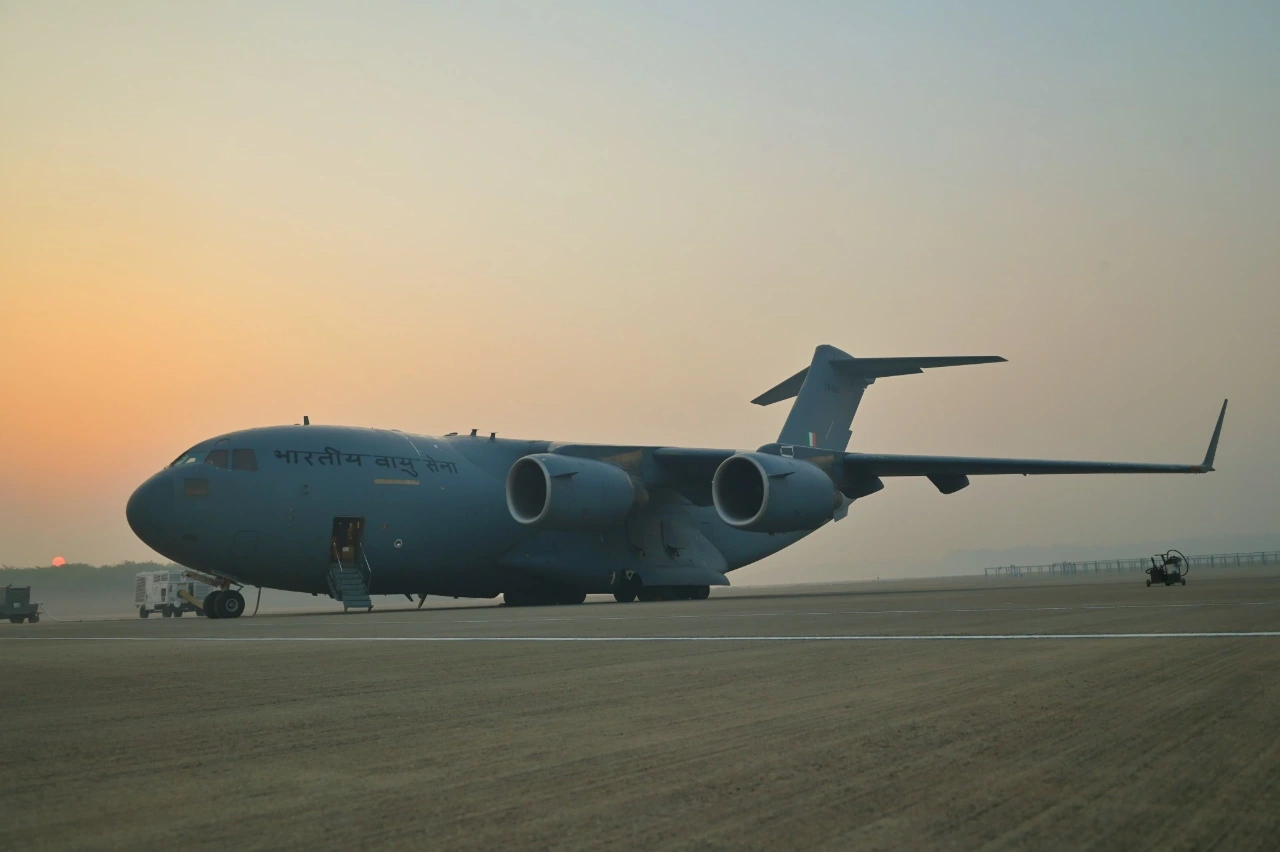
The Ministry of Defence has issued a Request for Proposal (RFP) for 60 Medium Transport Aircraft, in a programme estimated at around ₹1 lakh crore. The primary objective is to modernise the IAF’s ageing transport fleet, particularly by replacing the Soviet-origin An-32 aircraft.
The proposed aircraft will provide the IAF with modern tactical and strategic airlift capabilities, helping transport personnel, equipment and supplies. This capability is particularly important for India’s requirements in difficult and remote areas.
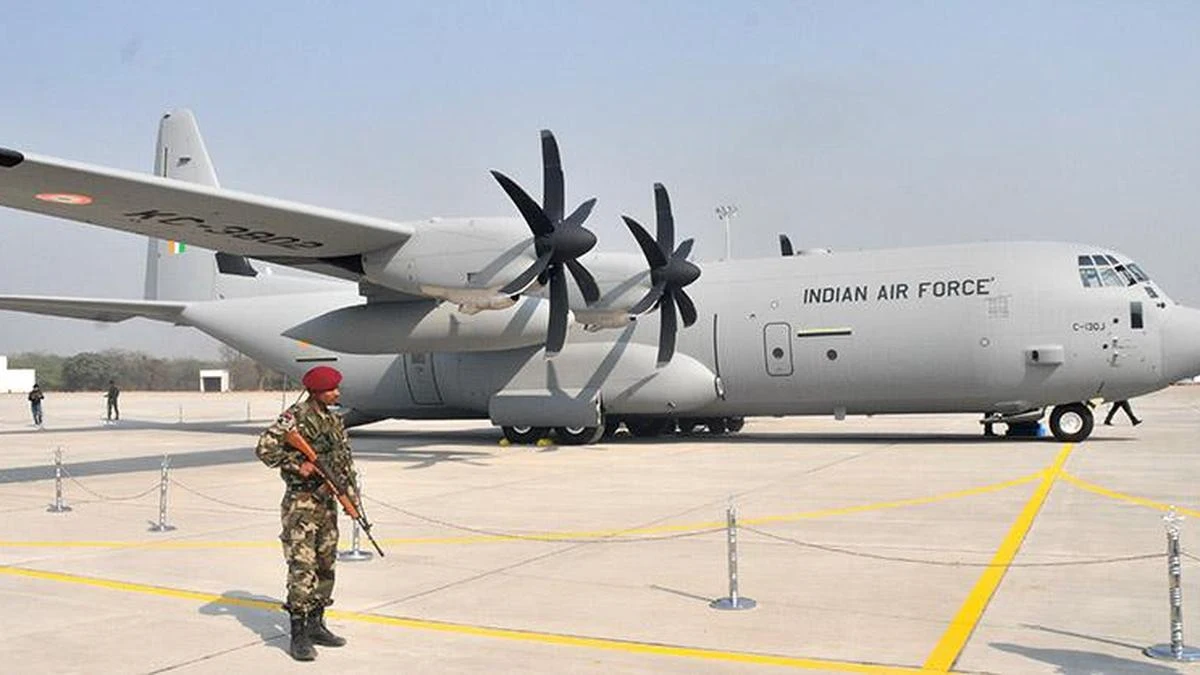
The competition is expected to feature major international aerospace companies. Embraer is promoting the C-390 Millennium in partnership with Mahindra, while Lockheed Martin is associated with Tata for the C-130J Super Hercules proposal.
The programme also has an important Make in India dimension, with potential for aircraft production, maintenance and other aerospace activities in India.
Why the Transport Aircraft Matter
The IAF operates a large transport fleet that performs:
- Troop and equipment transportation
- Tactical airlift
- Humanitarian assistance and disaster relief
- Operations from challenging airfields
- Support to India’s forward and remote areas
The new fleet would therefore help bridge the capability gap between India’s lighter and heavier transport aircraft.
IAF Begins Process to Acquire 150 New Jet Trainers
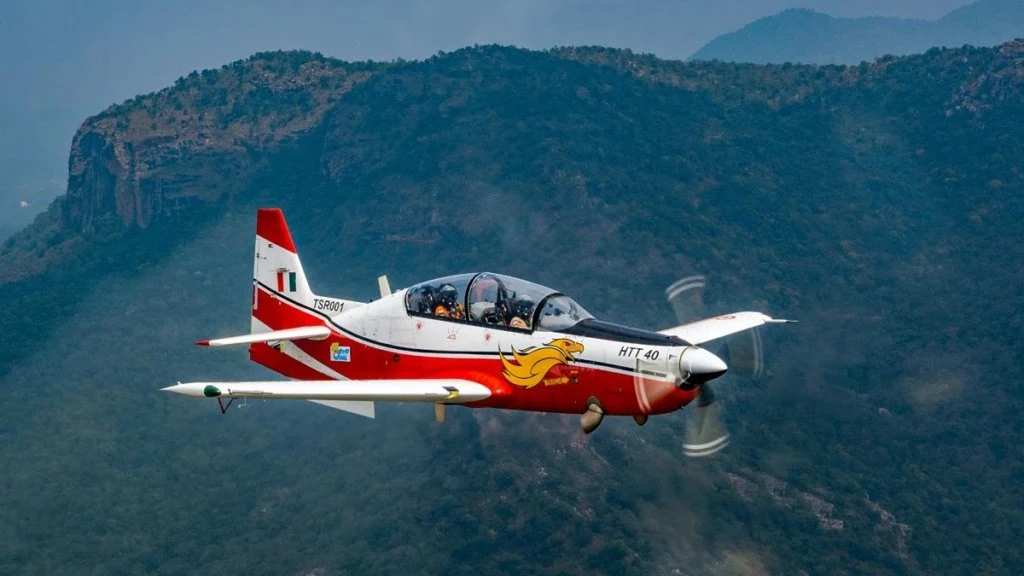
Alongside the transport-aircraft programme, the IAF has begun the acquisition process for 150 next-generation jet trainers.
These aircraft are intended to replace the ageing Hawk Mk-132 advanced jet trainers and modernise the final stage of fighter-pilot training.
The proposed aircraft will serve as Stage-III trainers, preparing pilots before they transition to frontline combat aircraft such as the Tejas, Rafale and Su-30MKI.
Modern advanced trainers are important because they allow trainee pilots to become familiar with high-performance aircraft characteristics, advanced avionics and modern combat procedures before moving to operational fighter squadrons.
A Major Boost to India’s Air Power
The two programmes address different but complementary requirements.
60 Medium Transport Aircraft will strengthen India’s air mobility and logistics capability, while 150 new-generation trainers will modernise the pilot-training ecosystem.
Together, these acquisitions represent a broader effort to replace ageing platforms and prepare the IAF for future operational requirements.
The programmes also have potential significance for India’s defence-industrial ecosystem because the transport-aircraft project is expected to involve Indian industry and local manufacturing.
Exam-Oriented Facts
| Topic | Important Fact |
|---|---|
| Medium Transport Aircraft | 60 |
| Approx. MTA programme value | ₹1 lakh crore |
| Main replacement target | An-32 fleet |
| New jet trainers | 150 |
| Existing advanced trainer | Hawk Mk-132 |
| New trainers | Stage-III trainers |
| C-390 partner in India | Mahindra–Embraer |
| C-130J partner in India | Tata–Lockheed Martin |
| Future fighter platforms mentioned | Tejas, Rafale, Su-30MKI |


