At the Defence Services Staff College (DSSC) in Wellington on October 23, 2026, Mr Banmali Agrawala, Chairman of Tata Advanced Systems Limited (TASL) and Senior Advisor at Tata Sons, spoke on “Defence Industrial Technological Base (DITB) – Atmanirbhar Bharat.” His address focused on India’s effort to deepen self-reliance in defence production and technology.
In his presentation, Agrawala offered an industry view of how India can advance its defence manufacturing ecosystem while reducing dependence on external sources. He said that strengthening the country’s Defence Industrial Technological Base is important for supporting strategic autonomy.
He also highlighted the need to use cutting-edge technologies, indigenous research and development (R&D), and steady industry partnership to create a defence structure that can keep pace with the operational requirements of the Indian Armed Forces. The emphasis, as reported, was on building capacity that is not only locally rooted but also adaptable to future needs.
The discussion further pointed to the growing value of cooperation between the defence services and domestic industry. Agrawala said closer coordination could help speed up innovation, enable the development of advanced military technologies, and reinforce India’s indigenous defence manufacturing capabilities.
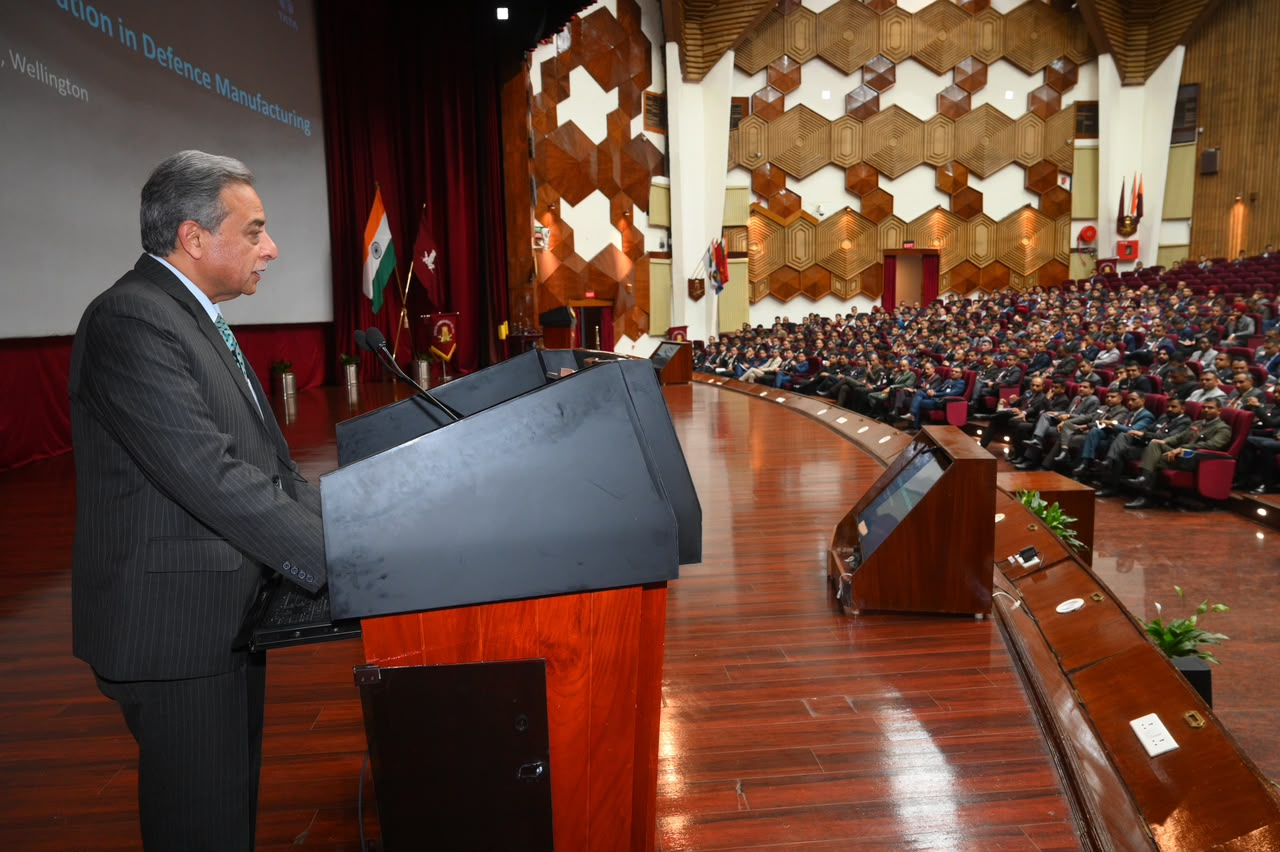
The event at DSSC Wellington also brought attention to the wider role of the defence industrial base in national security. In this context, DITB refers to the ecosystem that supports the indigenous development, production and maintenance of military equipment and critical technologies.
According to the report, strengthening that base matters even more as modern warfare increasingly depends on advanced electronics, artificial intelligence, autonomous systems and similar emerging technologies. The source presents this as a confirmed strategic priority, not as a prediction or claim of immediate capability.
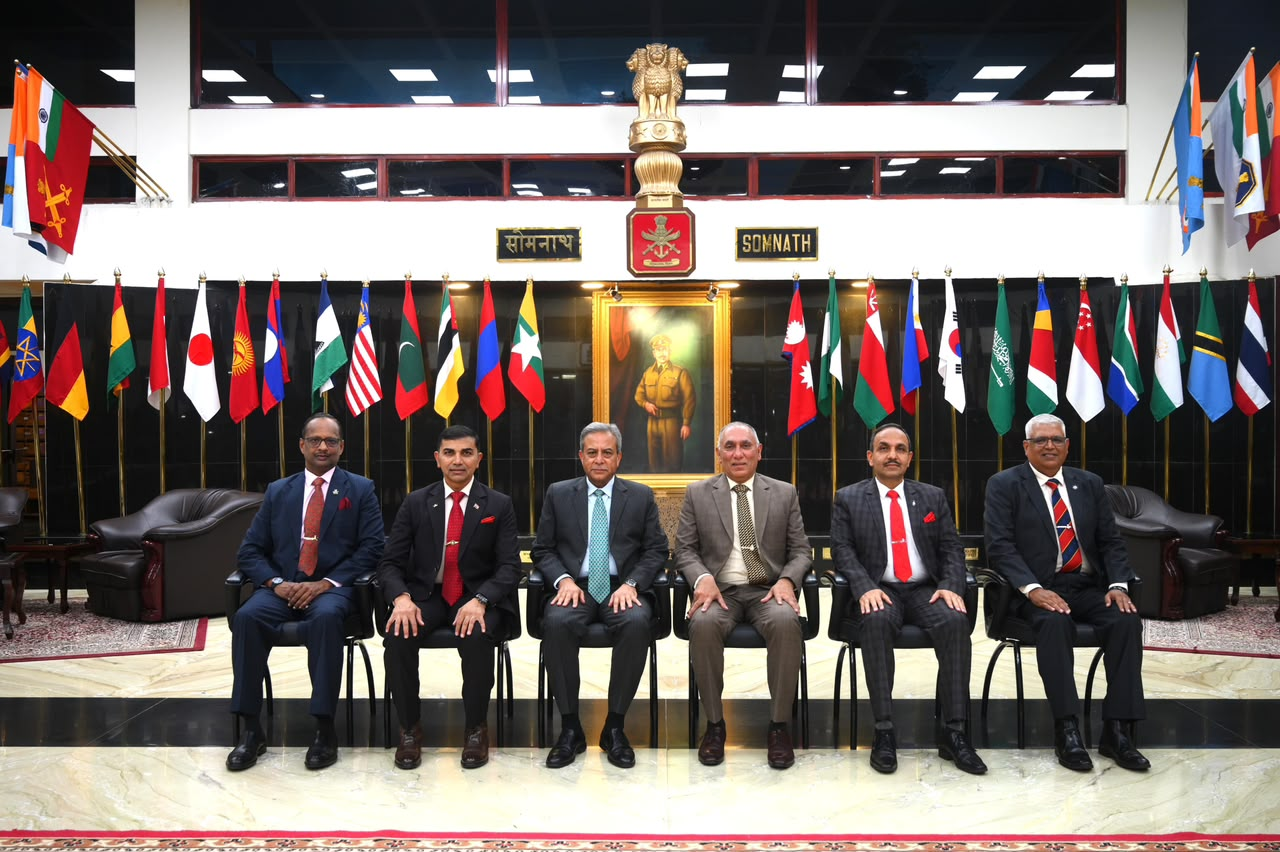
The talk additionally connected private industry with the government’s Atmanirbhar Bharat initiative, particularly through investment in innovation, technological development and a stronger domestic defence industrial ecosystem. This framing placed industry participation at the centre of long-term defence preparedness.
Overall, the interaction at DSSC Wellington underscored the need to align technological progress with the Armed Forces’ operational requirements and to sustain cooperation among the military, research institutions and private industry. The report presents such collaboration as a key element in India’s longer-term goal of greater self-reliance in defence technology and manufacturing.