India’s BrahMos supersonic cruise missile has become an important component of the country’s precision-strike capabilities and defence export ambitions. Initially developed with a range of approximately 290 km, the missile system has evolved into a multi-platform weapon capable of being launched from land, naval vessels and aircraft.
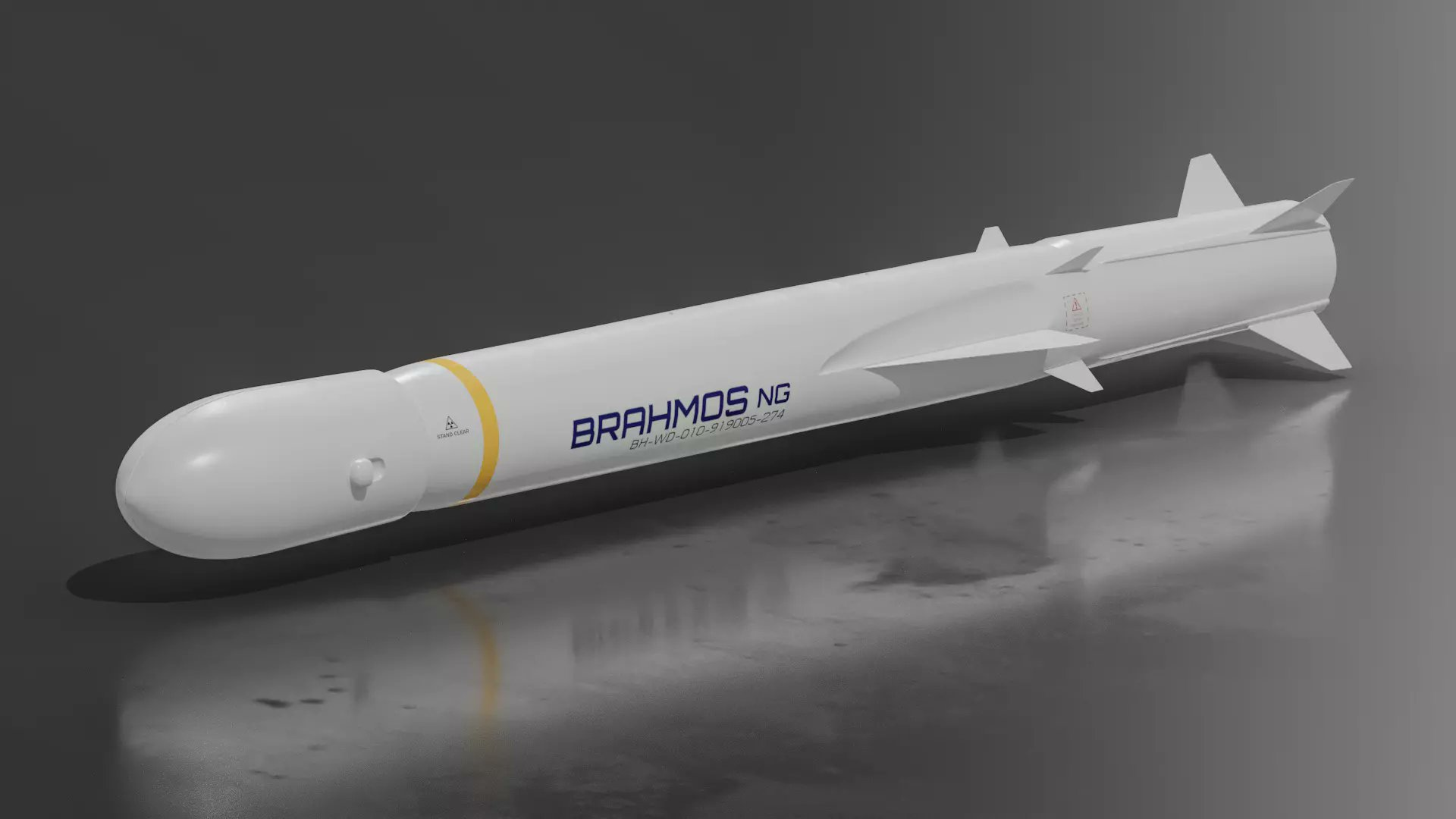
BrahMos-NG Prototype With 1500 km Range
Its reported use during Operation Sindoor in May 2025 brought renewed international attention to its operational capabilities. Meanwhile, India’s growing export partnerships and the development of the next-generation BrahMos-NG demonstrate the continuing evolution of the programme. BrahMos Aerospace is also exploring a longer-range variant with a proposed range of 1,500 km, although this remains at the conceptual stage.
Origin and Development of the BrahMos Missile
The BrahMos programme originated from defence cooperation between India and Russia. On 12 February 1998, the two countries signed an intergovernmental agreement that paved the way for the establishment of BrahMos Aerospace, a joint venture between India’s Defence Research and Development Organisation (DRDO) and Russia’s NPO Mashinostroyenia.
The name BrahMos combines the names of two rivers: the Brahmaputra of India and the Moskva of Russia.
The missile achieved its first successful test on 12 June 2001. Its initial operational range was approximately 290 km, and it could travel at around Mach 2.8–3, making it a high-speed cruise missile designed for precision engagement of designated targets.
The Indian Navy inducted BrahMos in 2005, followed by the Indian Army in 2007. Subsequent development expanded its launch options and improved its range, making it a versatile system for different operational requirements.
Evolution into a Multi-Platform Weapon System
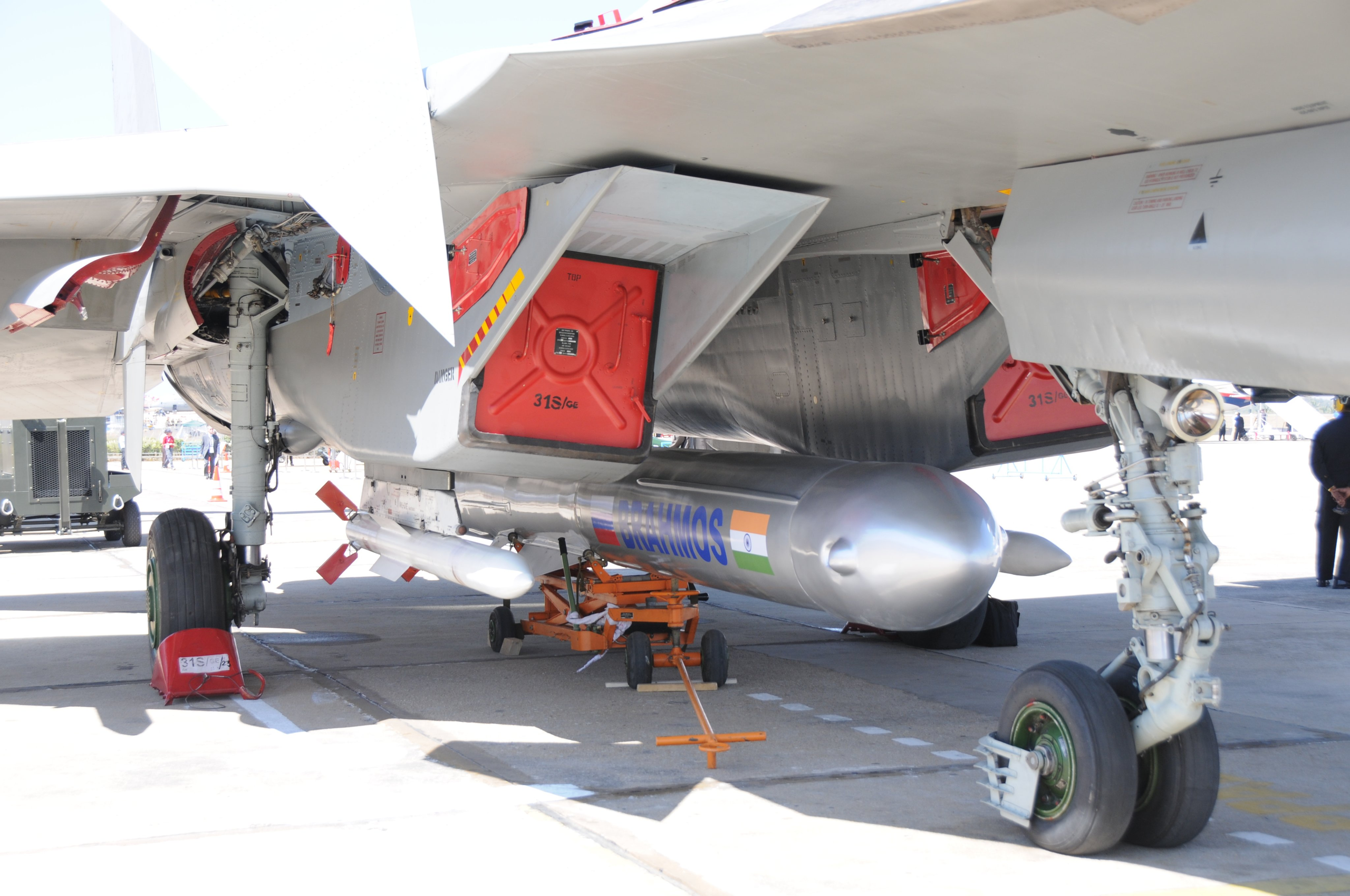
One of the major strengths of BrahMos is its adaptability to different launch platforms. The system has been developed for land-based and naval operations, with an air-launched version integrated with the Indian Air Force’s Su-30MKI fighter aircraft.
India successfully tested an extended-range version in 2017, while the air-launched BrahMos entered service with the Indian Air Force in 2020.
India’s membership in the Missile Technology Control Regime (MTCR) in 2016 was an important development in the context of its missile technology ambitions. However, membership did not automatically authorise every extended-range system; individual development and export decisions remain subject to applicable requirements.
The evolution of BrahMos illustrates how improvements in technology, integration and manufacturing can expand the capabilities of an established weapon system.
Operation Sindoor and the Missile’s International Profile
Operation Sindoor, launched in May 2025, became a significant milestone in the public discussion surrounding BrahMos. The missile was reported to have been used during India’s military action against targets in Pakistan following the Pahalgam terror attack.
According to reporting on the operation and subsequent statements by BrahMos Aerospace leadership, the missile’s reported combat use highlighted its relevance to modern, high-intensity warfare. Its speed, precision-strike role and availability in different launch configurations contributed to international interest in the system.
Operational experience can influence how prospective buyers assess military equipment. Demonstrated performance may help countries evaluate a weapon’s potential role in their own defence planning. Nevertheless, the significance of a particular operation should be distinguished from independently verified assessments of the missile’s performance against individual targets.
Operation Sindoor also strengthened the prominence of BrahMos in India’s wider effort to establish itself as a supplier of advanced defence systems.
BrahMos Strengthens India’s Defence Exports
India has increasingly focused on exporting domestically produced and jointly developed defence technologies. BrahMos has emerged as a prominent example of this approach.
Philippines: India’s first overseas customer
In 2022, India signed an agreement worth approximately US$375 million with the Philippines for BrahMos coastal-defence missile systems. This was the programme’s first major export order and represented an important milestone for India’s defence manufacturing sector.
The system provides the Philippines with an additional capability to deter potential maritime threats and strengthen coastal defence.
Vietnam and Indonesia
In 2026, Vietnam and Indonesia joined the Philippines among the overseas customers associated with BrahMos export agreements. Reporting published in October 2026 indicated that orders and deliveries involving these three countries were expected to take BrahMos exports beyond US$600 million.
These partnerships reflect the interest of countries in Southeast Asia in strengthening maritime security and protecting strategically important sea routes. Mobile coastal-defence systems can provide an additional means of deterring hostile naval activity.
The agreements also support India’s objective of expanding defence exports, developing industrial capabilities and building long-term defence partnerships.
BrahMos-NG: The Next Generation of Supersonic Cruise Missiles
BrahMos Aerospace is developing BrahMos-NG, or BrahMos Next Generation, as a smaller, lighter and more compact successor to the existing missile.
The new version is intended to incorporate advanced materials, new technologies and a higher level of indigenous content. Its reduced size and weight could expand the range of compatible platforms and improve the flexibility of air-launched operations.
According to reporting published on 22 October 2026, BrahMos Aerospace expects to develop the first prototype during 2027–2028. The programme remains under development and requires further research, engineering and testing.
BrahMos-NG is important because a more compact missile could potentially allow compatible aircraft to carry a different or greater combination of weapons, depending on aircraft integration and operational constraints.
6. Proposed 1,500-km BrahMos Variant
Another major element of the programme’s future roadmap is a proposed BrahMos variant with a range of up to 1,500 km.
BrahMos Aerospace has indicated that it is pursuing range extension in phases and is considering further upgrades in collaboration with its Russian joint-venture partner. However, the 1,500-km version remains at the conceptual stage; it should not be described as an operational missile or a completed development project.
If successfully developed, a significantly longer-range version could provide the armed forces with additional stand-off strike options and allow targets to be engaged from greater distances from the launch point. Its actual capabilities would depend on the final design, testing, integration and eventual induction.
The proposed variant therefore represents a future ambition rather than a capability already available in operational service.
7. Strengthening Indigenous Manufacturing
BrahMos also contributes to India’s efforts to develop a stronger domestic defence industrial base. The programme involves collaboration between Indian and Russian organisations, while newer developments aim to increase indigenous content and encourage participation by Indian manufacturers.
On 6 October 2026, the Ministry of Defence signed a contract with BrahMos Aerospace for the procurement of fire-control systems and launchers for Indian Navy ships. The reported project includes a minimum of 68% indigenous content, encouraging participation by Indian industries, including micro, small and medium enterprises (MSMEs).
Greater domestic participation can support local manufacturing, technical expertise, supply-chain development and maintenance capabilities. These factors are important for sustaining operational readiness and expanding India’s ability to produce advanced defence equipment.
8. Strategic Significance for India
The continuing development of BrahMos has several implications for India’s defence preparedness:
- Precision-strike capability: The missile provides the armed forces with a high-speed option for engaging designated land and maritime targets.
- Multi-platform deployment: Land-, sea- and air-launched configurations offer operational flexibility.
- Defence exports: Agreements with the Philippines, Vietnam and Indonesia strengthen India’s position in the international defence market.
- Technology development: BrahMos-NG and proposed range-extension projects encourage research into advanced missile design and manufacturing.
- Industrial growth: Indigenous components and participation by Indian firms can strengthen domestic defence production.
- Strategic partnerships: The programme demonstrates the continuing importance of India–Russia defence cooperation while supporting India’s wider international defence relationships.
The impact of any future variant will depend on successful development, testing, integration and approval for operational use.