




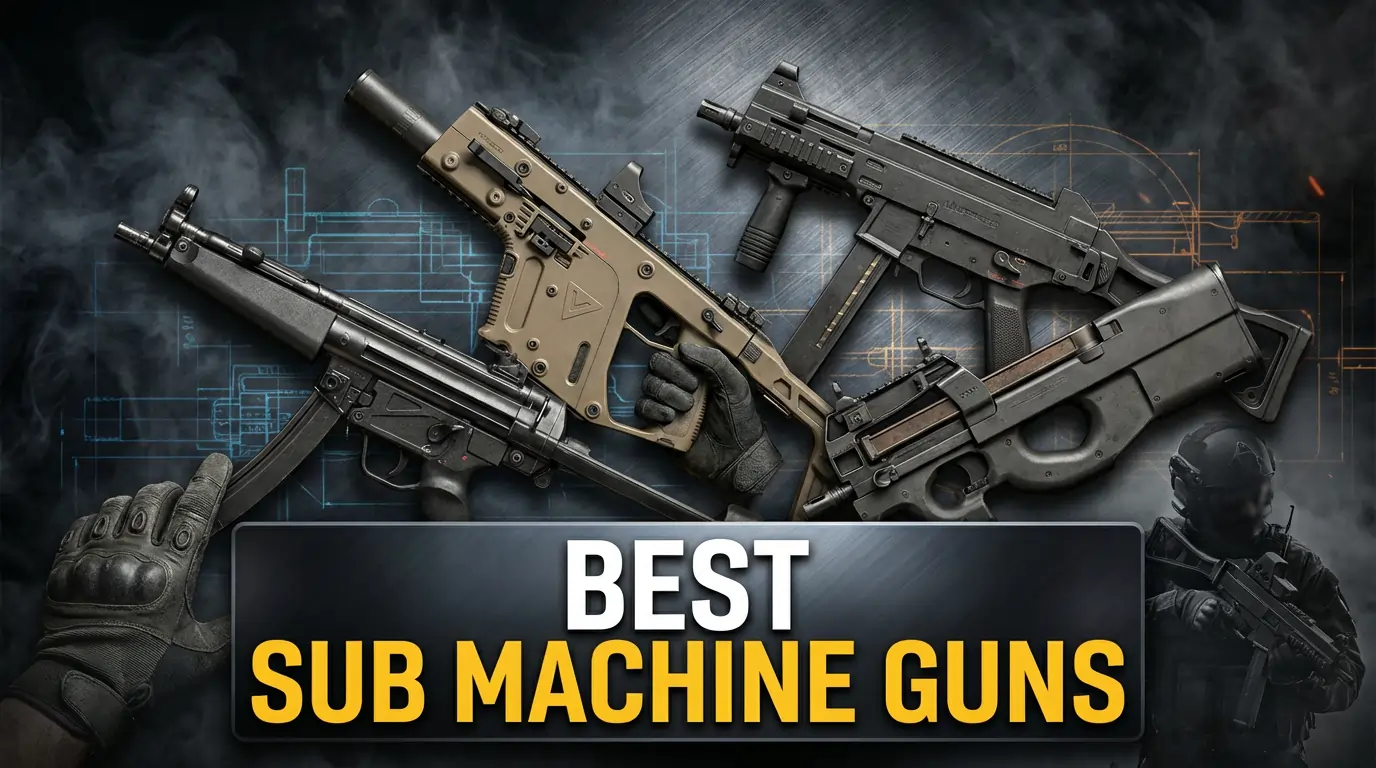
Key Points on the Top 10 Submachine Guns
- Rankings of “best” submachine guns can vary based on criteria like reliability, innovation, and military adoption, but evidence from expert reviews and historical use points to these as leading options in 2026.
- The Heckler & Koch MP5 remains a benchmark for accuracy and controllability, widely used by special forces.
- Modern designs like the FN P90 and HK MP7 emphasize armor penetration and compact firepower, suggesting a shift toward personal defense weapons (PDWs).
- Guns such as the SIG MPX and KRISS Vector incorporate advanced ergonomics and recoil management, making them popular for tactical applications.
- Classic models like the Uzi and Thompson endure due to proven performance, though newer iterations address contemporary needs.
- Selection considers factors like versatility, but debates exist on whether traditional SMGs are being supplanted by carbines in some roles.
Selection Criteria
Determining the “best” submachine guns involves evaluating reliability in diverse conditions, rate of fire, effective range, weight for portability, and adoption by militaries or law enforcement. Sources highlight innovations in recoil reduction and specialized ammunition, while acknowledging that SMGs excel in close-quarters combat but may face competition from assault rifles in longer engagements. This list draws from expert analyses and prioritizes a mix of timeless classics and modern advancements.
Overview of the Top 10
Research suggests the following stand out for their balance of performance and real-world utility. While no single gun is universally superior, these models are frequently praised for precision, durability, and tactical effectiveness. For instance, the MP5’s closed-bolt design enhances accuracy, whereas the P90’s unique magazine offers high capacity without bulk.
Submachine guns (SMGs) have evolved from World War II staples to specialized tools for modern warfare, law enforcement, and personal defense. Often chambered in pistol calibers for reduced recoil and rapid fire, they shine in close-quarters scenarios where maneuverability trumps long-range power. In 2026, the landscape blends iconic designs with cutting-edge innovations like advanced recoil systems and armor-piercing rounds. This comprehensive survey explores the top 10 SMGs, drawing on historical context, technical specifications, pros and cons, and expert insights from military reviews and firearm analyses. While rankings are subjective, these selections reflect widespread consensus on reliability, adoption, and performance.
1. Heckler & Koch MP5
Developed in the 1960s by German manufacturer Heckler & Koch, the MP5 scaled down the G3 rifle’s roller-delayed blowback mechanism for 9x19mm Parabellum. It entered service in 1966 with German forces and gained fame during the 1980 Iranian Embassy siege by the SAS. Over 100 variants exist, including suppressed models like the MP5SD. It’s used by elite units worldwide, such as Navy SEALs and FBI SWAT.
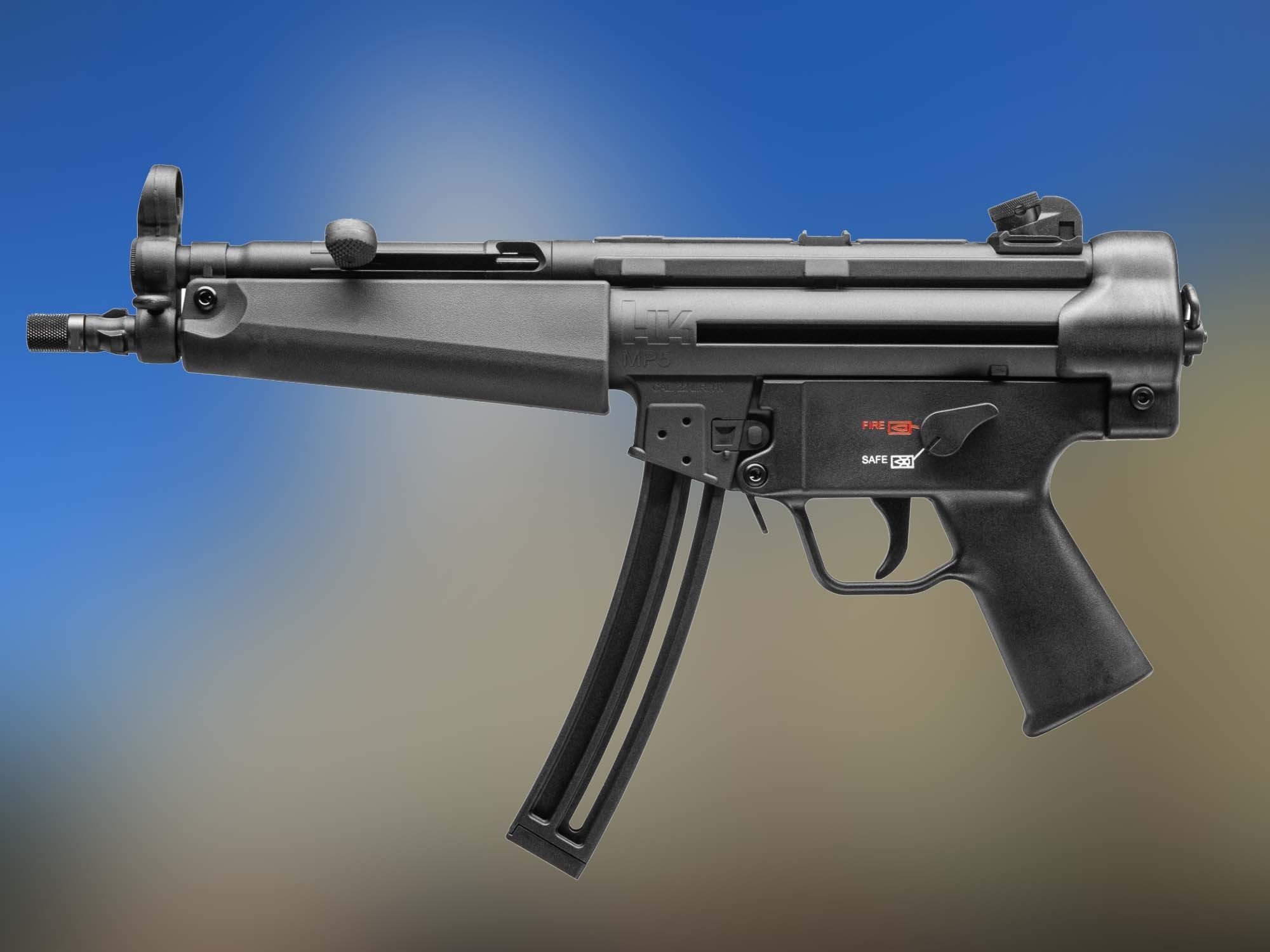
Key specifications include a rate of fire of 800 rounds per minute, effective range of 200 meters, weight of about 2.5 kg unloaded, and 30-round magazines. Pros: Exceptional accuracy from its closed-bolt operation, modular design for attachments, and proven reliability in over 40 nations. Cons: Limited penetration against modern body armor compared to PDWs, and higher cost. Experts note its controllability sets a standard unmatched by many open-bolt designs.
2. FN P90
Introduced in the early 1990s by Belgium’s Fabrique Nationale, the P90 was designed as a PDW for vehicle crews and support personnel, chambered in 5.7x28mm for better armor penetration than traditional 9mm. Its bullpup layout and top-mounted 50-round magazine make it compact and ergonomic. Adopted by over 40 countries, it’s seen in special operations and featured in media like “Stargate.”
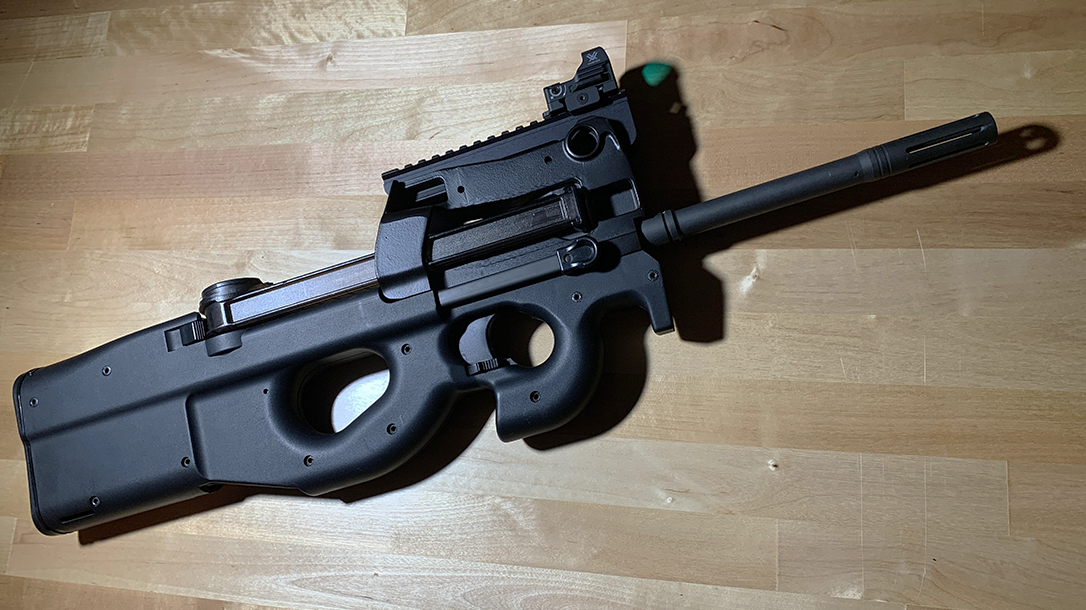
Specs: Rate of fire 900 rpm, effective range 200 meters, weight 2.6 kg, fully ambidextrous controls. Pros: High capacity, low recoil for one-handed use, and superior range/penetration against CRISAT armor. Cons: Proprietary ammo increases costs, and the unique design requires training. Reviews praise its minimal size and ease of maintenance, positioning it as a bridge between SMGs and assault rifles.
3. Heckler & Koch MP7
Unveiled in 2001 as a PDW competitor to the P90, the MP7 uses 4.6x30mm high-velocity ammo for assault rifle-like firepower in a submachine gun frame. It’s gas-operated with a scaled-down G36 mechanism and serves in over 20 countries, including German and UK special forces.
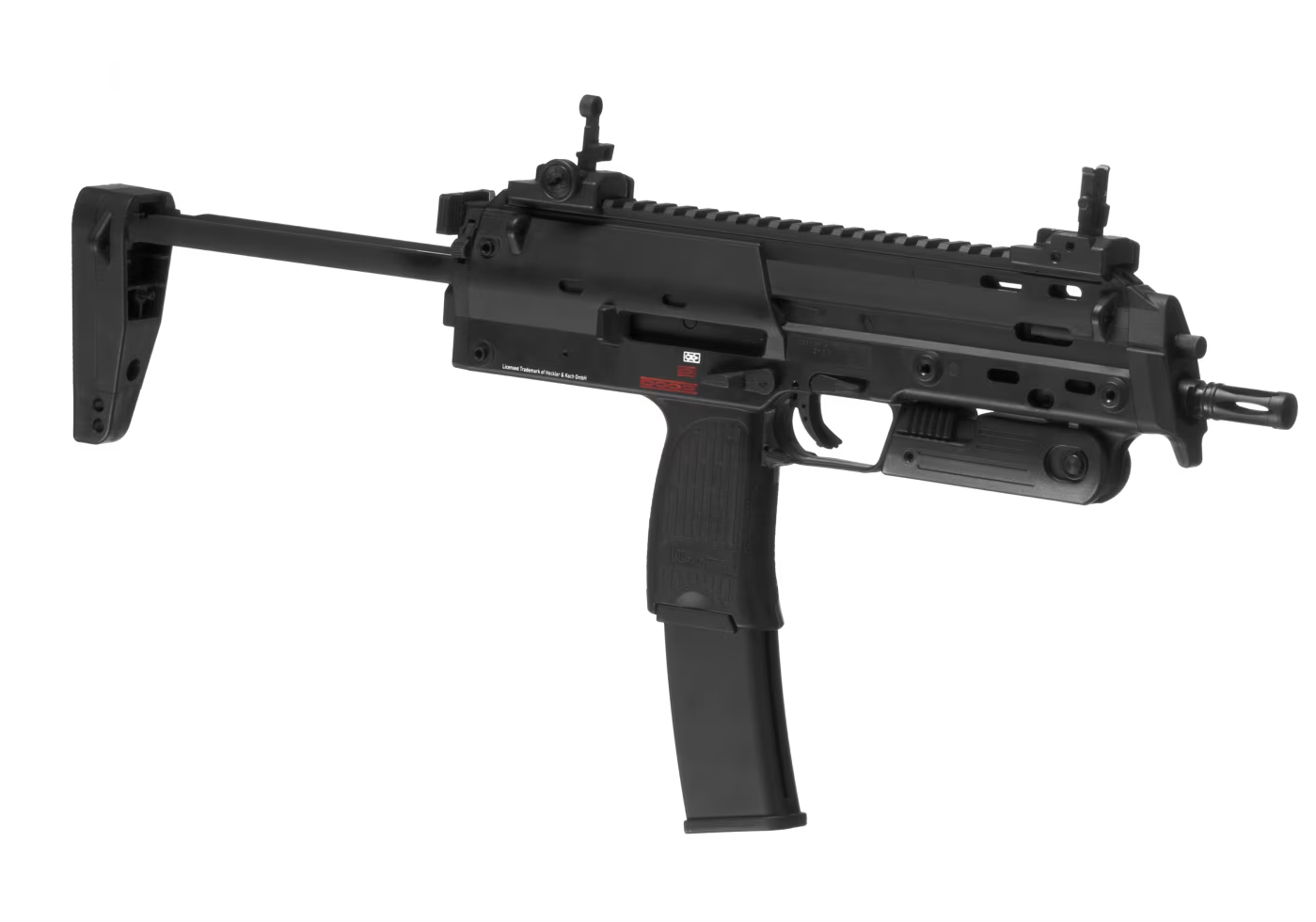
Specifications: 950 rpm rate of fire, 200-meter effective range, 2 kg weight, 20- or 40-round magazines. Pros: Penetrates body armor at extended ranges, compact for single-handed precision, and customizable rails. Cons: Ammo availability is limited outside military channels. Opinions highlight its role in close-quarter combat, delivering superior lethality at distances where 9mm falters.
4. SIG Sauer MPX
Launched in 2013, the MPX draws from AR-15 ergonomics but uses a short-stroke gas piston for 9x19mm (with variants in .357 SIG and .40 S&W). It’s modular, with quick-change barrels and stocks, and popular in law enforcement and competitions.
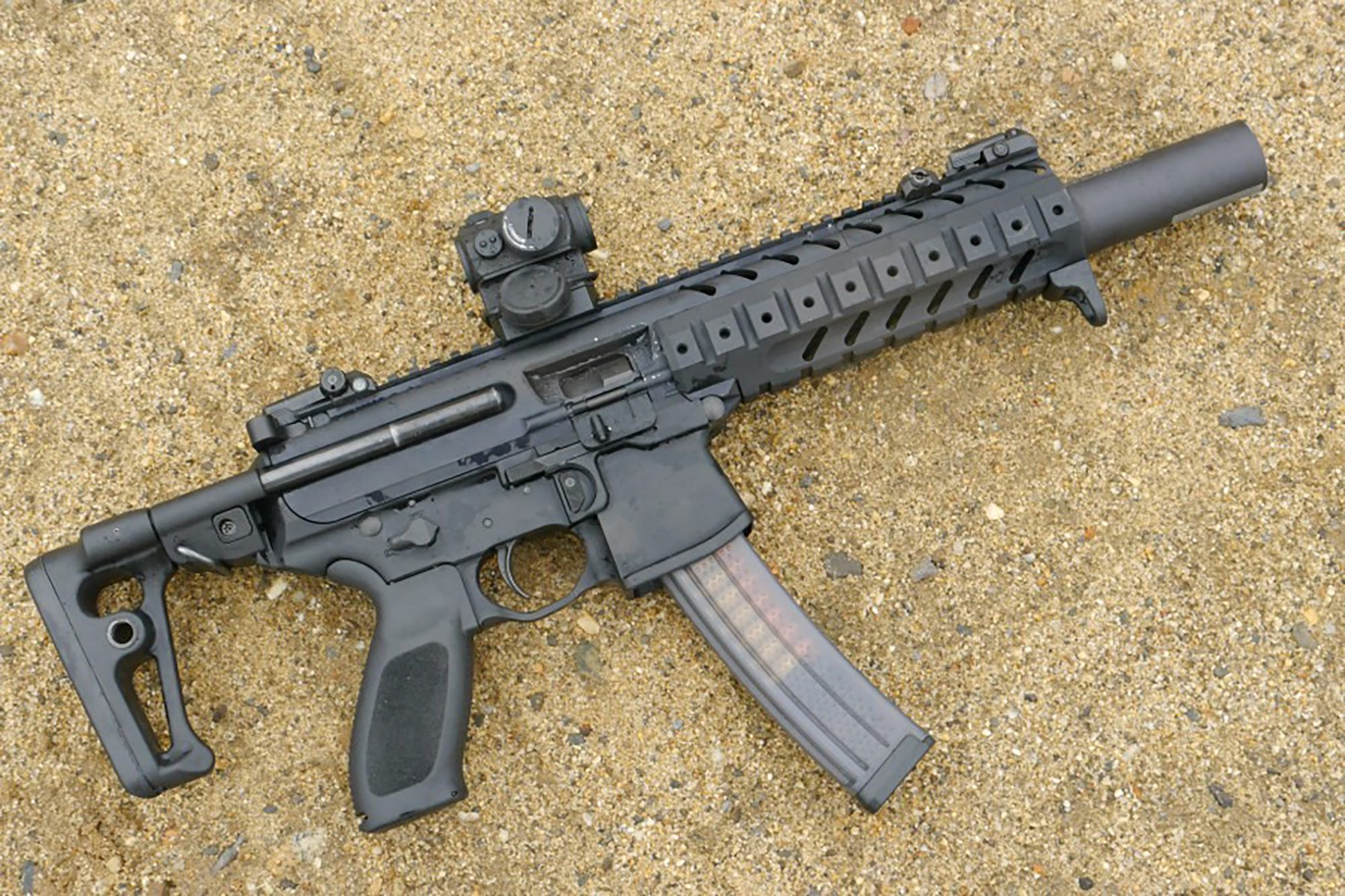
Specs: 850 rpm, effective range 100-200 meters, weight 2.7 kg, 30-round magazines. Pros: Familiar controls for AR users, low recoil, and high modularity. Cons: Slightly heavier than some competitors, potential gas blowback in suppressed use. Experts call it a hybrid of MP5 reliability and M4 versatility, ideal for tactical teams.
5. KRISS Vector
Introduced in 2006 by KRISS USA, the Vector’s Super V recoil mitigation system redirects force downward, reducing muzzle climb. Chambered primarily in .45 ACP or 9mm, it’s used in military and police roles for its stability in full-auto fire.
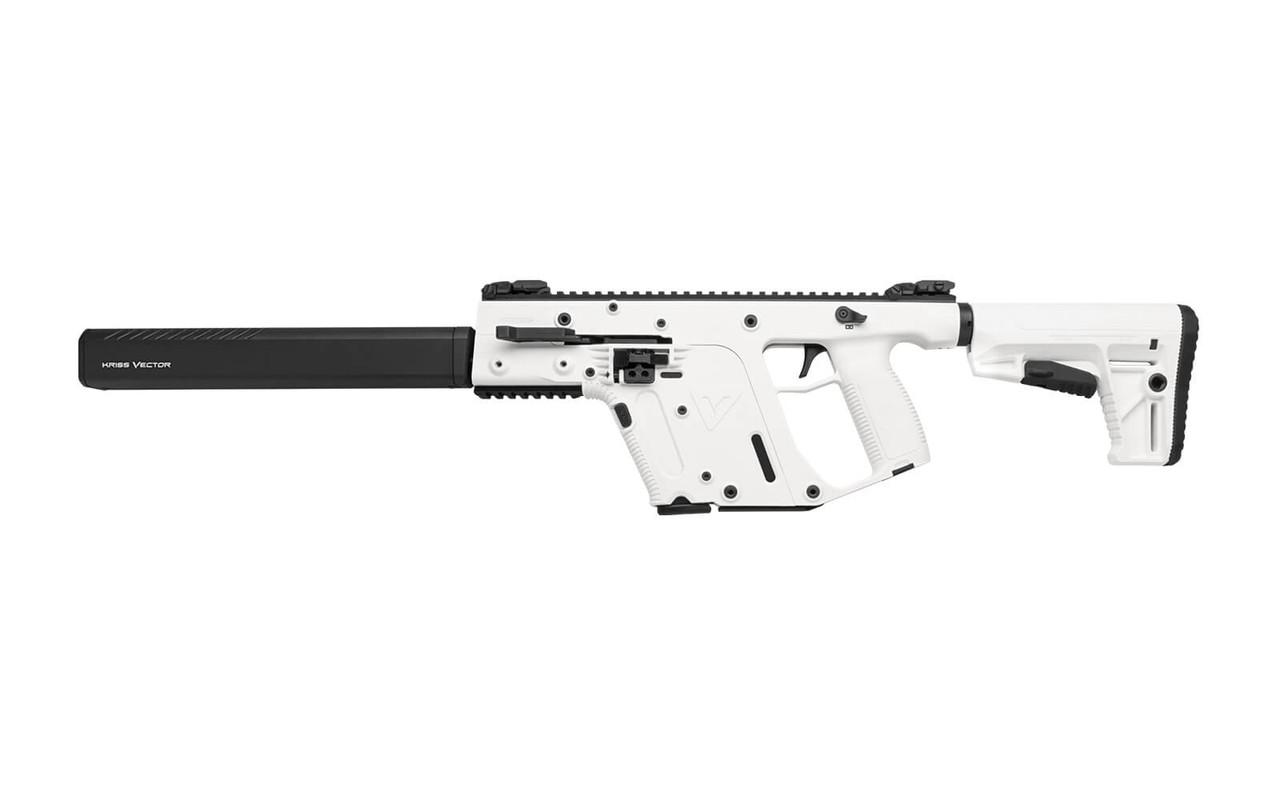
Specifications: Over 1,200 rpm in bursts, effective range 100 meters, weight 3.2 kg, compatible with Glock magazines. Pros: Exceptional controllability, ambidextrous controls, and accessory rails. Cons: Requires frequent cleaning in harsh environments. Reviews emphasize its innovative design for close-quarters, making it a favorite for high-rate suppression.
6. CZ Scorpion EVO 3
Developed in 2009 by Česká zbrojovka, this blowback-operated gun in 9x19mm (or .40 S&W) is lightweight with polymer construction. Adopted by Czech forces and exported widely, it’s praised for concealed carry and urban operations.
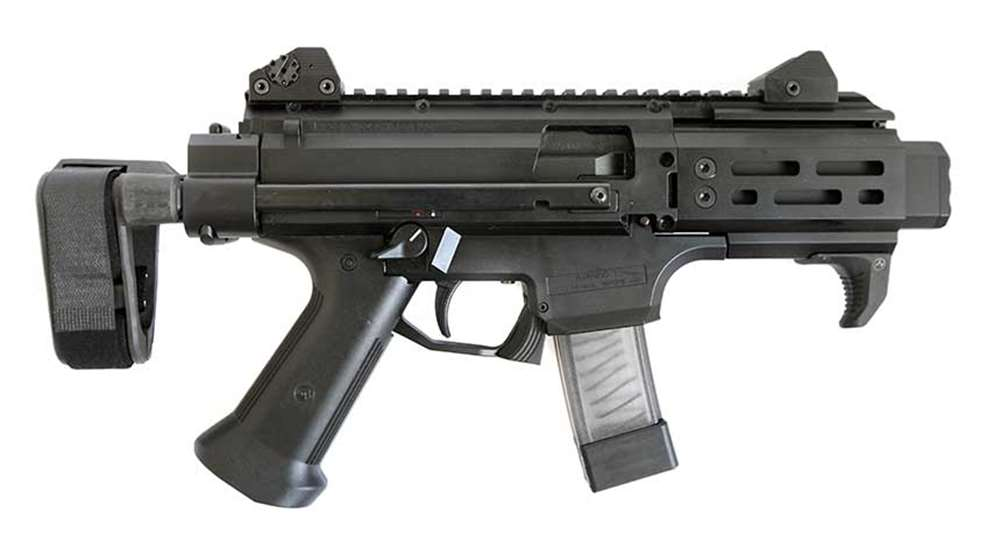
Specs: 1,100 rpm, 250-meter semi-auto range, weight 2.8 kg loaded, 20/30-round transparent magazines. Pros: Compact, affordable, and suppressor-ready. Cons: Higher recoil in full-auto without braces. Sources note its suitability for narrow spaces, with strong adoption in over a dozen countries.
7. IMI Uzi
Designed in 1949 by Uziel Gal for Israel, the Uzi’s open-bolt blowback and telescoping bolt made it simple and producible. Over 10 million units sold to 90+ countries, with modern variants like the UZI Pro.
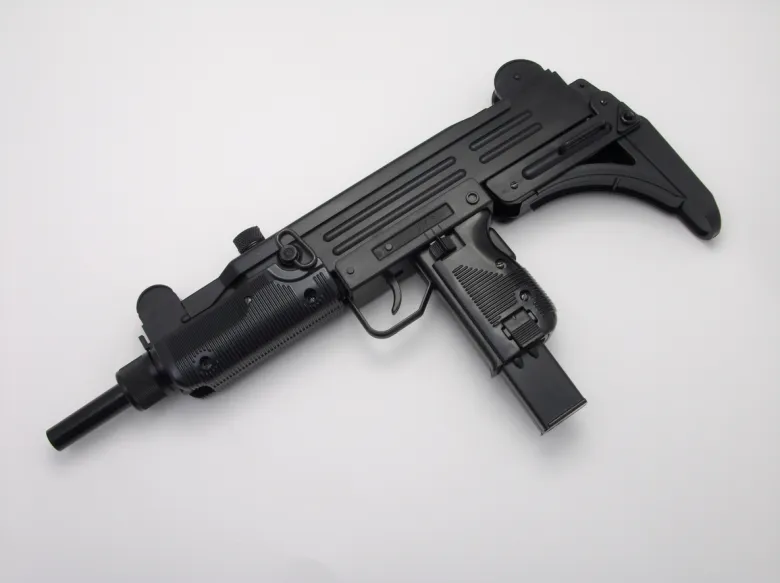
Specifications: 600 rpm (higher in minis), effective range 200 meters, weight 3.5 kg, 25/32-round magazines. Pros: Rugged, easy to manufacture, and grip safety prevents accidents. Cons: Heavier than modern options, open-bolt affects first-shot accuracy. Its historical production volume and reliability cement its legacy.
8. Brugger & Thomet APC9
Evolved from the MP9 in the 2010s, the APC9 is a Swiss-made blowback SMG in 9x19mm, known for precision engineering and modularity. Used by special forces and law enforcement in several nations.
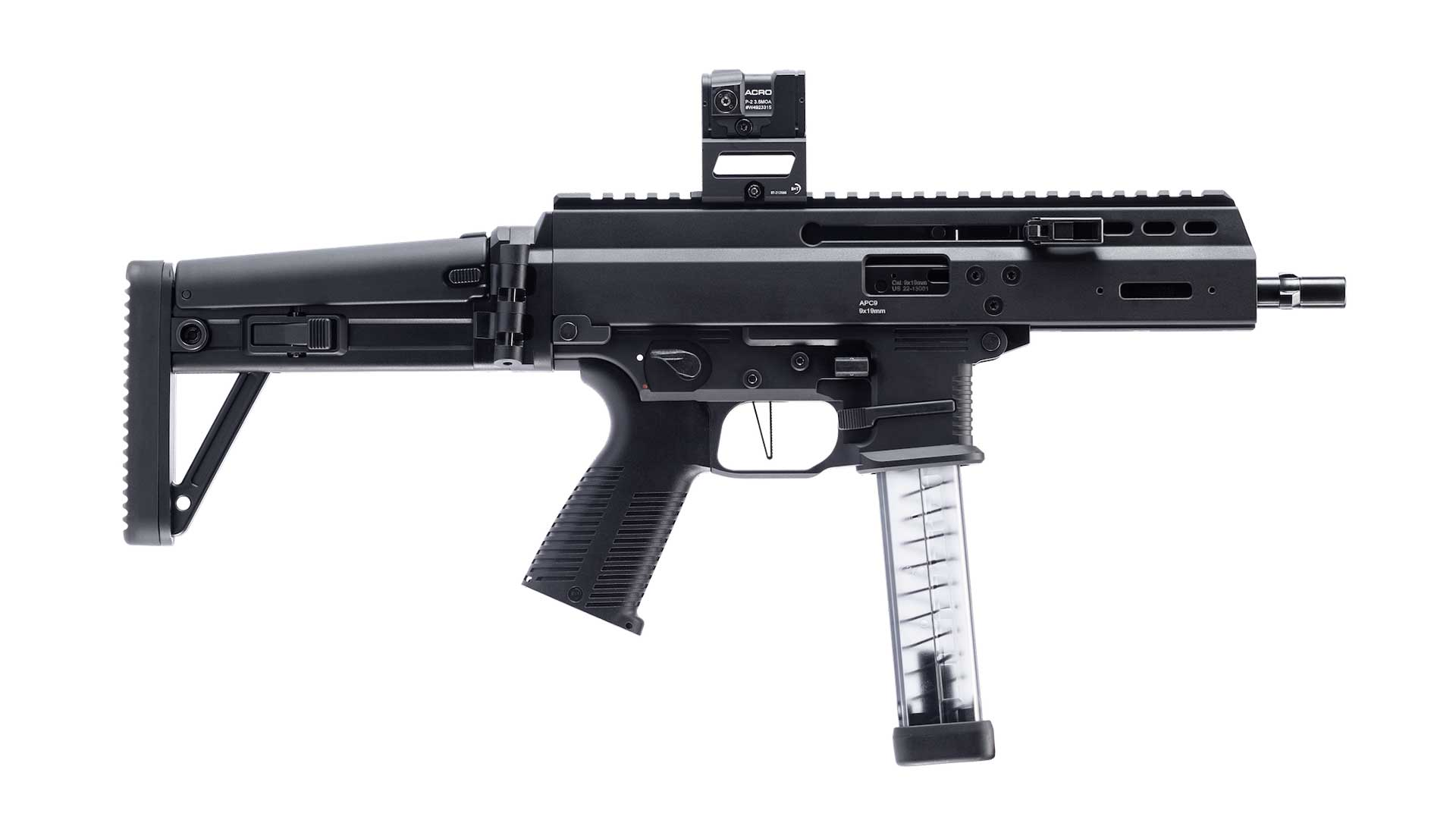
Specs: 1,080 rpm, effective range 100 meters, weight 2.7 kg, 15-30 round magazines. Pros: Lightweight polymer housing, ambidextrous features, and non-reciprocating charging handle. Cons: Premium pricing. Experts laud its controllability and suitability for VIP protection.
9. Heckler & Koch UMP
Released in 1999 as an MP5 successor, the UMP uses polymer for lighter weight and offers calibers like .45 ACP, .40 S&W, or 9mm. It’s blowback-operated with burst modes and serves in 20+ countries.
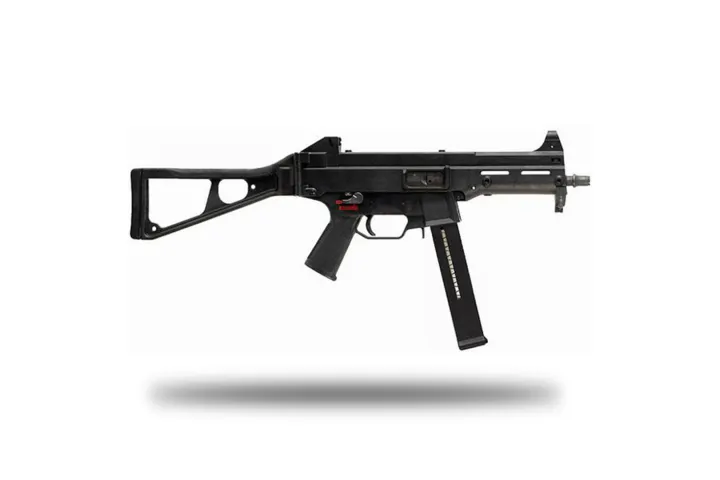
Specifications: 600 rpm, effective range 100 meters, weight 2.3 kg (9mm), 25/30-round magazines. Pros: Cheaper and lighter than MP5, transparent mag windows. Cons: Slower rate of fire than some. Reviews position it as a durable, versatile option that influenced PDW developments.
10. Thompson Submachine Gun
Iconic from the 1920s, designed by John T. Thompson, the “Tommy Gun” used .45 ACP and saw WWII service. Modern reproductions by Auto-Ordnance maintain its legacy.
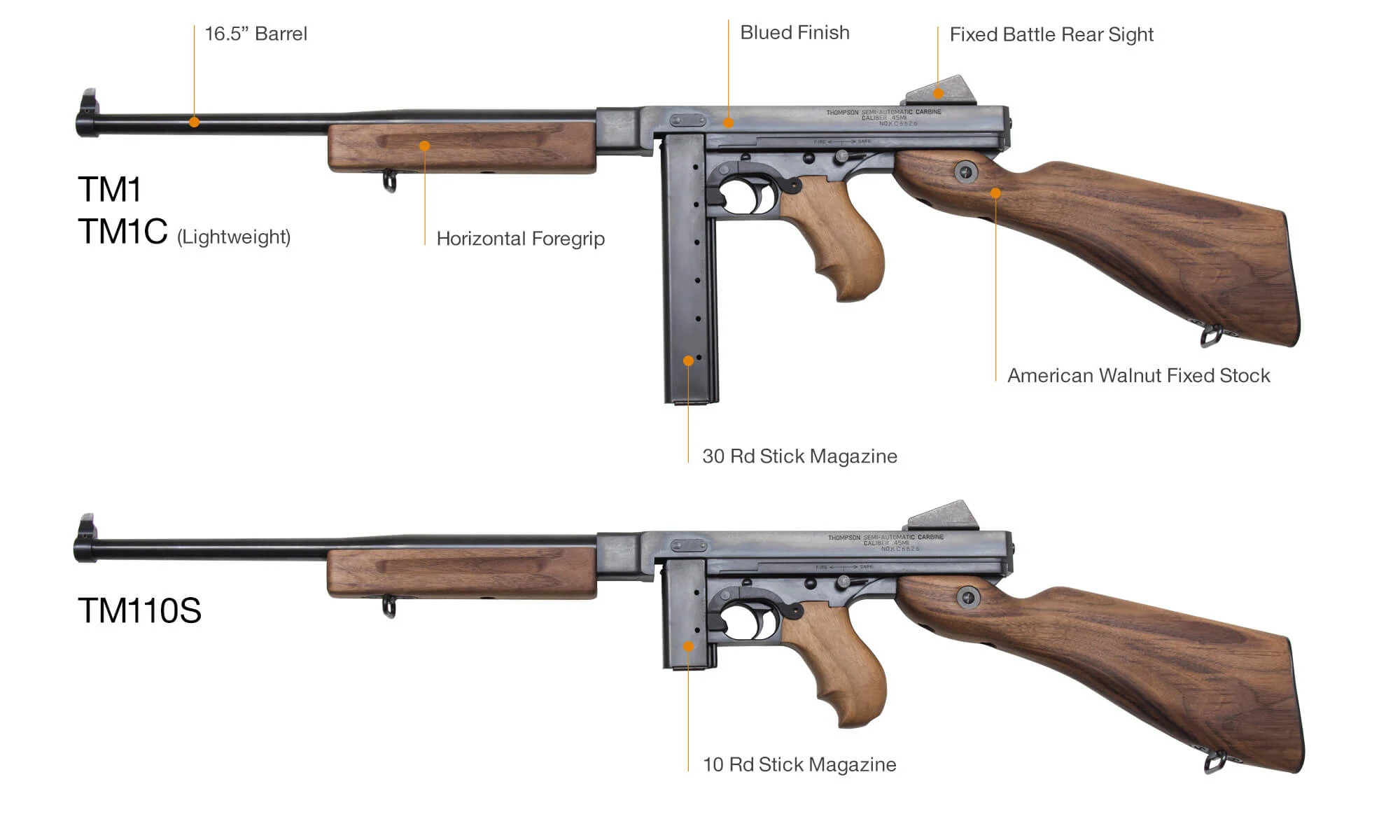
Specs: 800 rpm, effective range 150 meters, weight 4.8 kg, 20/30-round sticks or drums. Pros: Heavy build for stability, historical stopping power. Cons: Outdated manufacturing, heavy for modern use. While vintage, its cultural impact and controllability earn inclusion, with experts noting wartime effectiveness.
Comparative Specifications Table
| Gun Model | Caliber | Rate of Fire (rpm) | Effective Range (m) | Weight (kg, unloaded) | Magazine Capacity | Key Feature |
|---|---|---|---|---|---|---|
| HK MP5 | 9x19mm | 800 | 200 | 2.5 | 30 | Closed-bolt accuracy |
| FN P90 | 5.7x28mm | 900 | 200 | 2.6 | 50 | Bullpup high-capacity |
| HK MP7 | 4.6x30mm | 950 | 200 | 2.0 | 40 | Armor penetration |
| SIG MPX | 9x19mm | 850 | 100-200 | 2.7 | 30 | AR-style modularity |
| KRISS Vector | .45 ACP/9mm | 1,200+ | 100 | 3.2 | 17-33 | Recoil mitigation |
| CZ Scorpion EVO 3 | 9x19mm | 1,100 | 250 (semi) | 2.8 (loaded) | 30 | Lightweight polymer |
| IMI Uzi | 9x19mm | 600 | 200 | 3.5 | 32 | Simple stamped design |
| B&T APC9 | 9x19mm | 1,080 | 100 | 2.7 | 30 | Swiss precision |
| HK UMP | .45 ACP/9mm | 600 | 100 | 2.3 | 25 | Multi-caliber versatility |
| Thompson | .45 ACP | 800 | 150 | 4.8 | 30 | Historical stability |
This table summarizes core attributes for quick comparison, based on aggregated data from reliable sources. Note that variants may alter specs slightly.
In summary, while SMGs like the MP5 dominate through proven track records, innovations in the P90 and MP7 indicate a trend toward hybrid PDWs. For military applications, penetration and modularity are key, whereas law enforcement favors controllability. Ongoing debates suggest SMGs remain relevant but complemented by carbines in broader conflicts.


