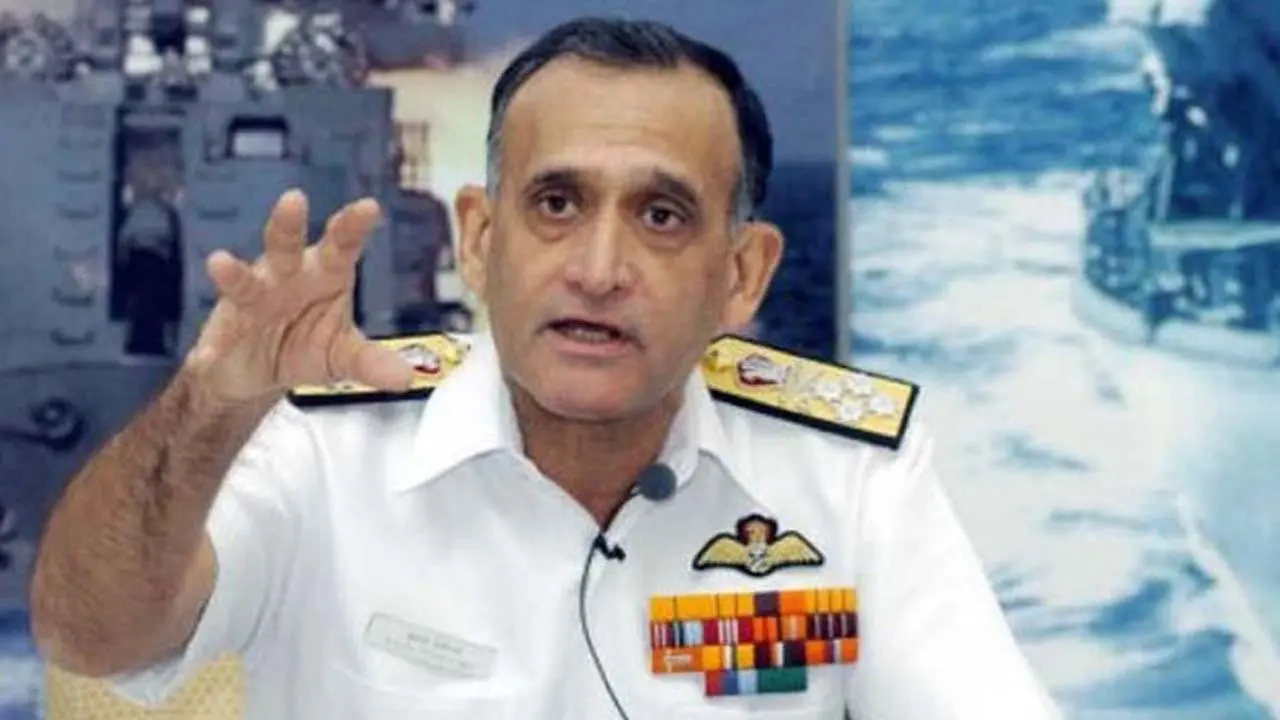
Admiral Arun Prakash, a distinguished veteran of the Indian Navy and the 1971 war, has become the focus of controversy after receiving a notice from the Election Commission of India. The notification requires him to personally present documents to verify his identity as part of Goa’s ongoing Special Intensive Revision (SIR) of electoral rolls. This development has drawn significant attention and concern among fellow veterans, who are questioning the execution of the verification process.
The notice, issued by the office of the Chief Electoral Officer, mandates Admiral Prakash’s appearance before the Electoral Registration Officer of the Cortalim constituency on January 17. His wife, Kumkum Prakash, is scheduled to appear on January 19. The communication specifies that this verification is necessary to confirm their identities and voter details before their names can remain on the electoral roll.
In a message shared via social media, Admiral Prakash expressed his astonishment at receiving the notice. He highlighted that he has been a resident of Goa since 2009, following multiple postings in the state since 1968. He also noted that both he and his wife had completed all required SIR forms on time and were pleased to see their names included in the draft electoral roll for the upcoming 2026 elections.
Despite his willingness to comply with the notice, Admiral Prakash raised practical concerns regarding the verification process. He questioned why additional information was needed given that Booth Level Officers had visited their residence three times and could have requested further details at that time. He also emphasized the inconvenience posed to elderly individuals like himself and his wife—aged 82 and 78, respectively—by requiring them to travel nearly 18 kilometers to attend the electoral office on different dates.
This situation resonates deeply within the veteran community. Notably, just days prior to Admiral Prakash’s notice, Kargil war veteran and South Goa MP Captain Viriato Fernandes had received a similar directive. Numerous retired military personnel have expressed that while the SIR is a lawful and necessary process, the execution should be sensitive to the needs of senior citizens and former service members.
Veterans have underscored that existing documentation, such as Pension Payment Orders, service records, and veteran identity cards, could suffice for verification without further demands. Many believe this incident reflects a broader issue regarding the integration of data and digital record-keeping, rather than any personal shortcomings on the part of the veterans involved.
The Election Commission has stated that the SIR is a standard procedure aimed at ensuring the accuracy of electoral rolls and preventing duplication. They assert that the process is not intended to inconvenience anyone, particularly esteemed individuals like Admiral Prakash. Nevertheless, this particular case has sparked a wider discussion about how electoral verification processes can be reformed to be more efficient and considerate, especially for veterans who have dedicated their lives to public service.
As the situation unfolds, there are renewed calls for establishing clearer protocols and facilitating measures for elderly citizens and military veterans, aiming to prevent what should be routine administrative tasks from becoming sources of undue stress.