




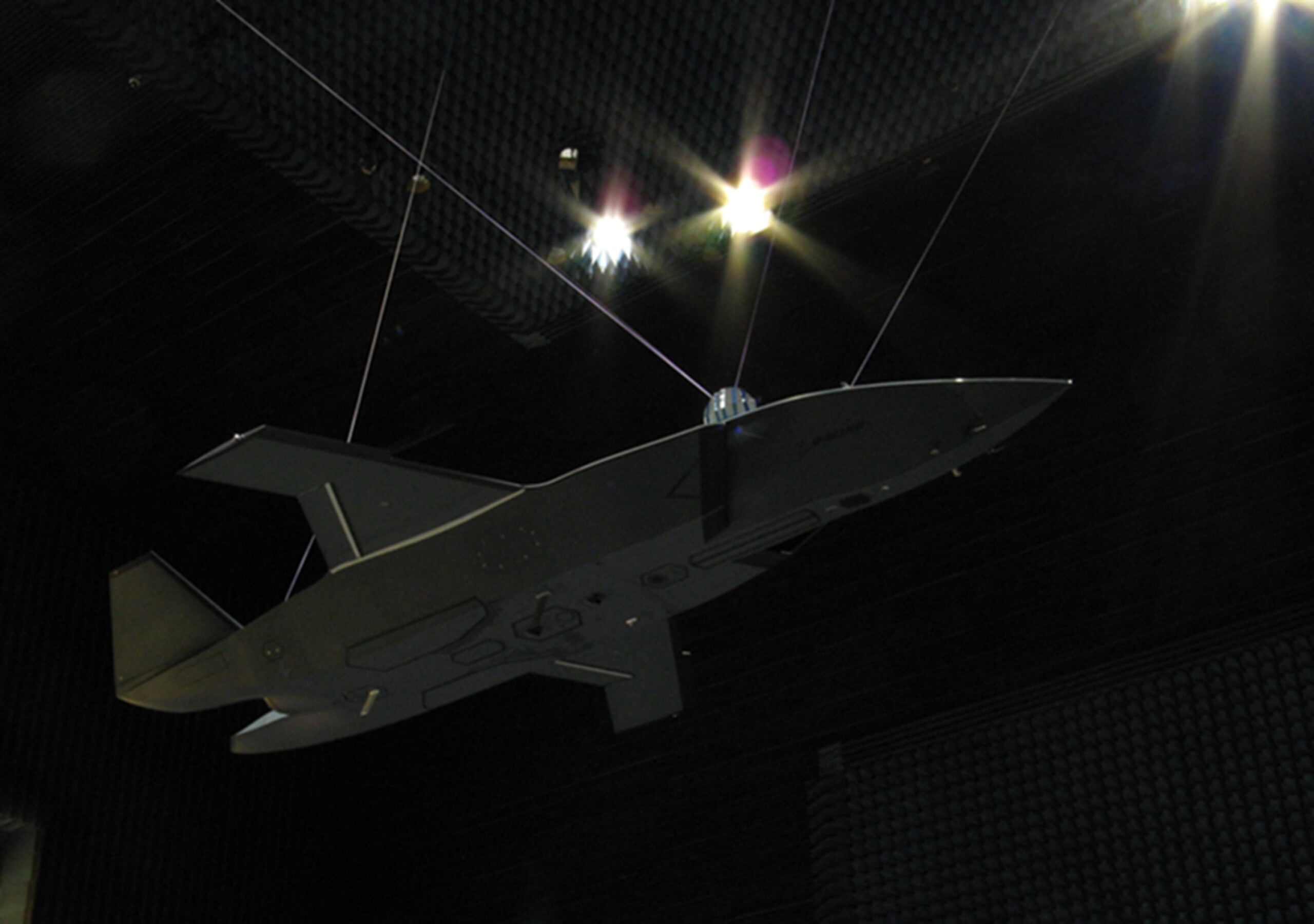
Boeing has successfully validated the stealth characteristics of its MQ-28 Ghost Bat collaborative combat aircraft, showcasing its capability to operate in high-threat environments. Recent testing focused on the radar cross-section (RCS) of the drone, revealing that its innovative design significantly minimizes the range at which enemy radars can detect and track it. This advancement is crucial for enhancing the aircraft’s survivability in contested environments.
The tests yielded objective and repeatable data on detection risk, offering compelling evidence of the MQ-28’s airframe design and its various components that contribute to reduced radar observability. As military operations increasingly shift towards stealth and precision, the MQ-28 Ghost Bat emerges as a vital asset for future air combat scenarios.
Boeing’s efforts in developing this drone highlight the company’s commitment to advancing unmanned aerial technology, providing both enhanced operational capabilities and strategic advantages to military forces. The progress made with the MQ-28 is expected to pave the way for further innovations in collaborative combat solutions, ensuring readiness in increasingly complex and demanding operational theaters.


