




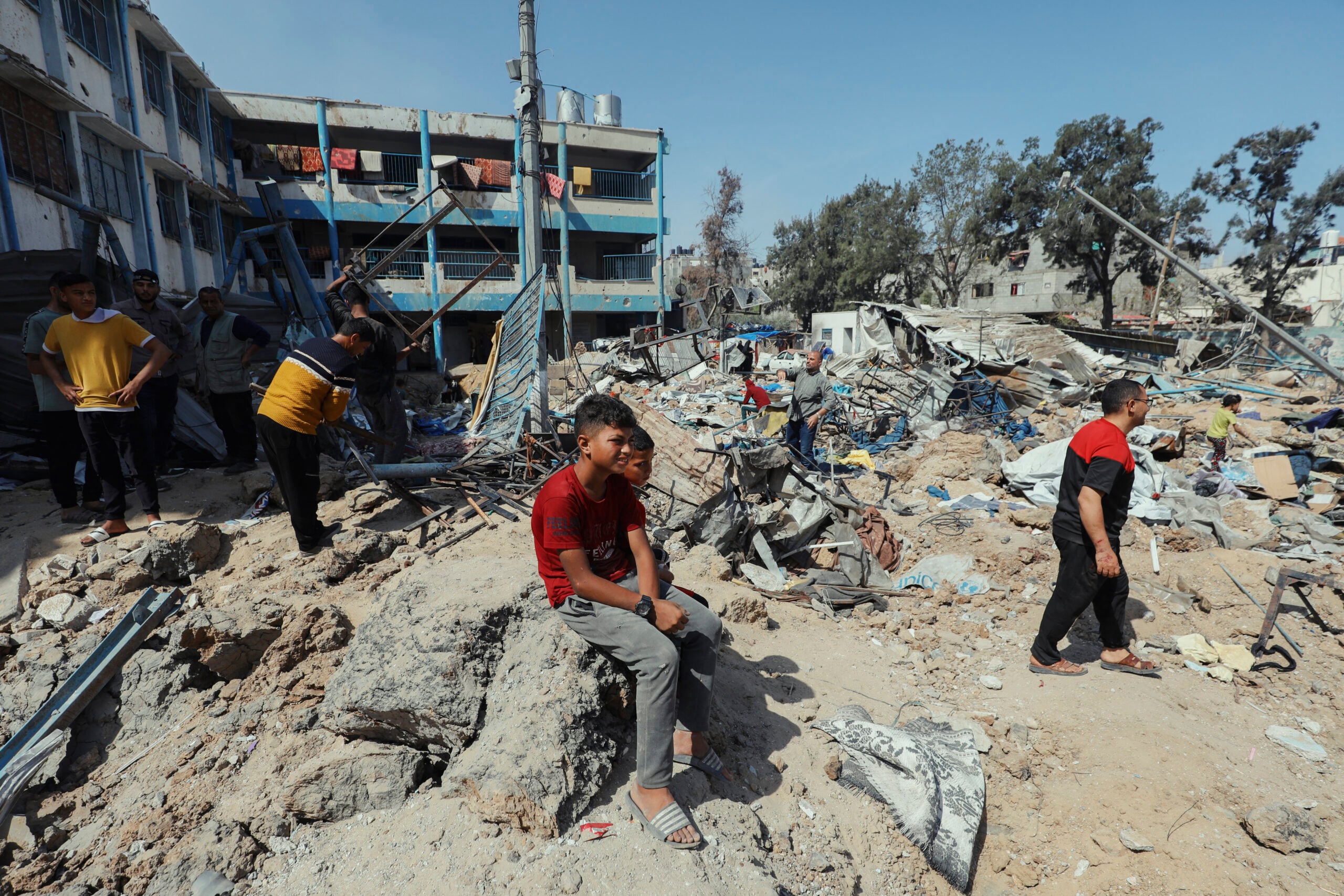
In the midst of ongoing tensions and sporadic violence in Gaza, preparations for the post-war phase are gaining momentum among various stakeholders, despite the lack of a cohesive political settlement. As efforts to outline governance, security, and humanitarian initiatives take shape, significant challenges remain that hinder effective implementation, which could have dire implications for the over two million Palestinians living in the territory.
At the forefront of these discussions is the critical issue of security. Israel has maintained that the disarmament of Hamas is a prerequisite for any steps forward. However, Hamas has countered that it will not relinquish its weapons unless Israeli forces withdraw and a functional Palestinian governing body is established. This impasse poses a substantial barrier to progress. Interestingly, a member of the U.S. Board of Peace, which has been involved in planning the post-war landscape, indicated that the disarmament of Hamas is no longer being viewed as an absolute precondition for advancement. “The entire planning is around worst case scenario,” he stated, hinting at the establishment of a pilot humanitarian zone in Rafah as a potential step forward despite ongoing negotiations yielding little progress.
One of the ambitious proposals under consideration is the creation of an International Stabilization Force (ISF) to help maintain order in Gaza. Participation from several countries, including Morocco, Kosovo, Albania, and Kazakhstan, has been noted, with preparations for a logistical base near the Kerem Shalom crossing nearly complete, which would initially host around 500 troops. Additionally, efforts to recruit a Palestinian police force are underway, with approximately 20,000 applications having been collected. However, the process faces significant hurdles. Several diplomats revealed that training has yet to commence and that the proposed size of the police force—5,000 officers—has been deemed excessive by Israel, leading to a deadlock in discussions.
Despite a ceasefire officially in place since late 2025, reports of daily violence persist, with Israeli forces continuing targeted strikes in response to what they characterize as violations of the truce by Hamas and other groups.
On the humanitarian front, the situation remains dire. The United Nations has estimated that reconstruction efforts will take years and necessitate tens of billions of dollars, particularly as critical supplies like construction materials and debris-clearing equipment are in short supply. While there have been substantial donor pledges, much of the promised funding is yet to be disbursed, creating a gap between needs and available resources. The Board of Peace acknowledges that current funding meets immediate needs but warns that the establishment of multiple humanitarian zones would require significant additional financial support.
The governance landscape remains challenging. Hamas recently announced plans to delegate administrative responsibilities to the National Committee for the Administration of Gaza (NCAG), a technocratic body designed to facilitate governance during a transitional period. However, the NCAG has faced obstacles entering Gaza itself, reportedly due to Israeli restrictions. While Israel has expressed willingness to see Hamas’s administrative structures dismantled, it insists that this does not replace its demand for the group’s disarmament.
The role of the Palestinian Authority (PA), based in the West Bank, remains uncertain in this evolving landscape. With the PA being the internationally recognized Palestinian authority, its future collaboration with the NCAG in delivering essential services is anticipated. Yet, concerns persist that the NCAG could become a service-delivery entity without authoritative control over security or border management, making it susceptible to the whims of Hamas if the group retains any military capabilities.
As stakeholders navigate these intricate dynamics, the path toward a stable and secure Gaza remains fraught with challenges that must be addressed to facilitate a sustainable reconstruction effort and lasting peace in the region.


