China has implemented new sanctions on 20 U.S. defense firms, including a division of Boeing, in response to recent arms sales to Taiwan, an island that Beijing claims as part of its territory. This move underscores the growing tensions between the U.S. and China regarding Taiwan, which has historically received military support from the United States, despite China’s stance on the matter.
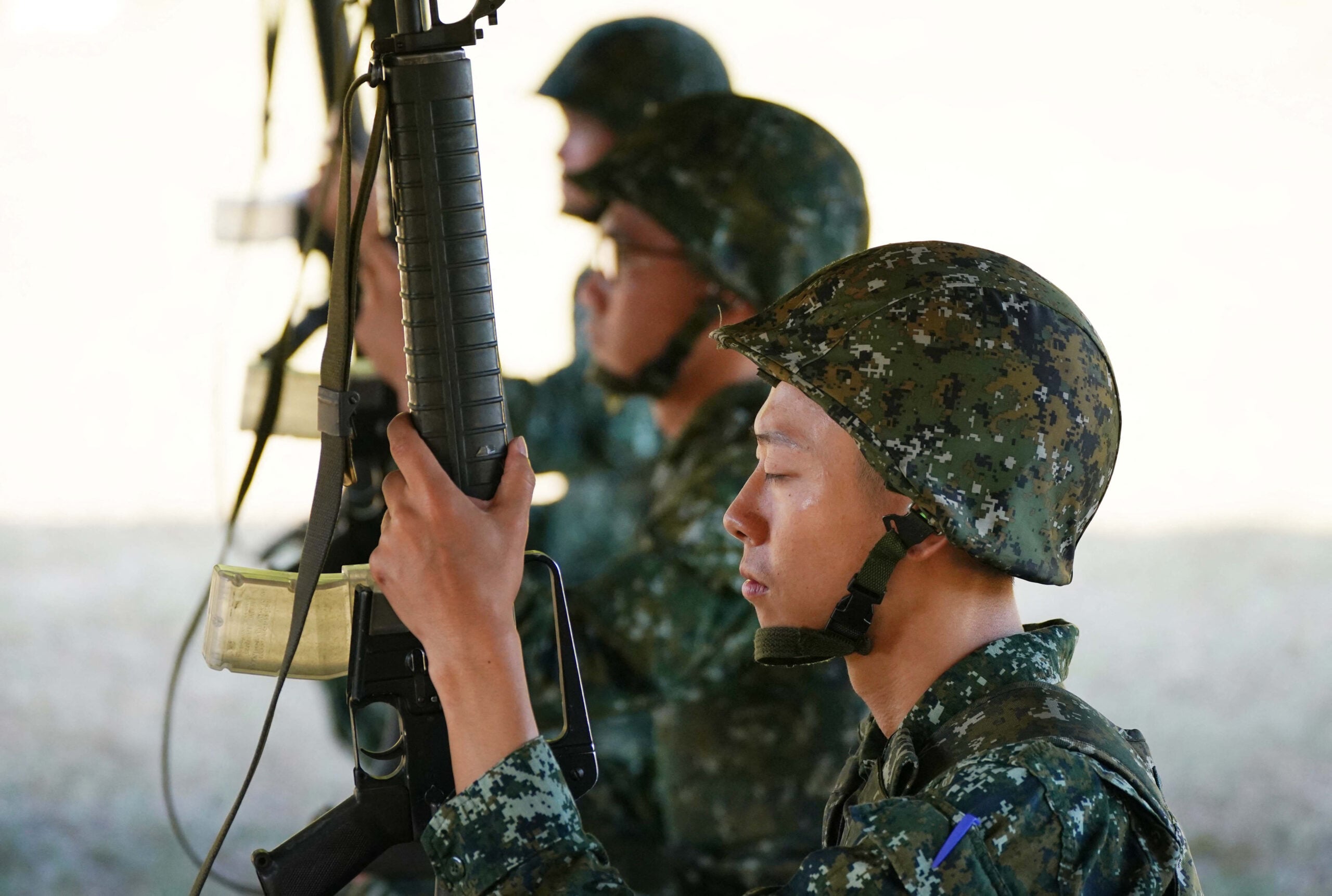
The arms package, approved by Washington earlier this month, totals $11 billion and is considered one of the largest defense sales to Taiwan in recent history. This continues a long-standing pattern, with the U.S. having been Taiwan’s primary arms supplier for years. China, which views Taiwan as a breakaway province, has consistently opposed such dealings and has not ruled out the use of force to assert its claims over the island.
In light of the recent arms deal, China has taken specific action against prominent firms like Boeing’s defense manufacturing facility in St. Louis and the aerospace giant Northrop Grumman. Most of the companies targeted appear to have little to no business interests in China, with some having faced sanctions from Beijing in the past.
As part of the sanctions, Chinese entities are prohibited from collaborating with the affected firms, and any assets these companies hold within China will be frozen. The Chinese foreign ministry criticized the arms sales, asserting that they undermine the “one-China principle” and inflict serious damage on China’s sovereignty and territorial integrity.
Additional measures include sanctions on ten executives within the defense industry, barring them from entering China, including regions like Hong Kong and Macau. Both Boeing and Northrop Grumman have yet to respond to inquiries regarding these developments. The situation illustrates the escalating tensions and complex geopolitical dynamics surrounding U.S.-China relations and their implications for Taiwan.