
In Current Affairs for 29 October 2026, we will see the latest national and international current affairs news. These important current affairs will be beneficial for your upcoming NDA, CDS, CDS OTA, AFCAT, TA, Agniveer Army, Agniveer Navy, Agniveer Air Force, Women Military Police, INET, MNS, ACC exams, SCO, PCSL, CAPF, and SSB interviews, and direct entries for Army, Navy, and Air Force like SSC Tech, TGC, JAG, NCC, TES, 10+2 Cadet. Download a PDF file about current events at the end of this article. Let us now see the Current Affairs.
Current Affairs 29 October 2026
Bihar Museum Ranks 9th Among the World’s Best Museums
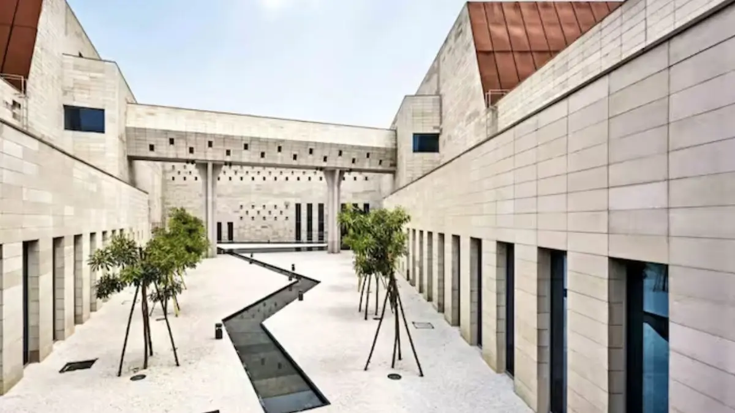
The Bihar Museum in Patna has earned international recognition by securing 9th place in The World’s 100 Best Museums 2026 list, according to the uploaded presentation. It is also identified as the highest-ranked museum in Asia on the list and the only Indian museum included among the top 100.
The ranking was published by Worth a Journey, a Germany-based organisation.
Global Ranking
The list places the Bihar Museum ahead of several well-known institutions, including the Metropolitan Museum of Art in New York, ranked 10th, and the Louvre Museum in Paris, ranked 31st.
Some of the leading museums listed in the presentation are:
- 1st: Museo Nacional de Antropología — Mexico City, Mexico
- 2nd: Museo del Prado — Madrid, Spain
- 3rd: Louisiana Museum of Modern Art — Humlebæk, Denmark
- 4th: State Hermitage Museum — Saint Petersburg, Russia
- 5th: Kunsthistorisches Museum — Vienna, Austria
- 9th: Bihar Museum — Patna, India
- 10th: Metropolitan Museum of Art — New York, USA
- 31st: Louvre Museum — Paris, France
About the Bihar Museum
Located on Nehru Path in Patna, the Bihar Museum was established to preserve and present the cultural heritage of Bihar. Its architectural design was developed by Japanese architect Fumihiko Maki, a recipient of the Pritzker Architecture Prize, in collaboration with Mumbai-based Opolis Architects.
The museum showcases aspects of Bihar’s history, archaeology, art and cultural development.
Relationship with Patna Museum
The Bihar Museum complements the historic Patna Museum, established in 1917. The two institutions maintain different collections, allowing visitors to explore the region’s heritage from multiple historical and cultural perspectives.
The presentation also mentions plans for an underground passage connecting the two museums.
Significance
The ranking brings international attention to Bihar’s cultural heritage and may strengthen the state’s appeal as a destination for cultural tourism. It also highlights the role of museums in conserving historical objects and making heritage accessible to the public.
Key facts for revision
- Museum: Bihar Museum
- Location: Patna, Bihar
- Global rank: 9th in the 2026 list
- Ranking publisher: Worth a Journey, Germany
- Architect: Fumihiko Maki, with Opolis Architects
- Patna Museum established: 1917
Earthshot Prize 2026 to Be Held in Mumbai
Introduction
Mumbai is scheduled to host the Earthshot Prize 2026 on 16–17 November 2026, marking the first time the international environmental initiative will be held in India. The event brings together innovators, environmentalists, investors and businesses to promote solutions to major environmental challenges.
Background of the Earthshot Prize
Established in 2020 by Prince William, the Earthshot Prize seeks to encourage practical, innovative approaches to environmental protection. Its central objective is to support solutions that can be expanded to address urgent ecological problems.
The 2026 event will be the sixth annual edition. According to the presentation, the Awards Night is scheduled for 17 November 2026, alongside a summit involving environmental experts, investors and business representatives.
The Five Earthshot Prize Categories
The prize focuses on five environmental goals:
- Protect and Restore Nature: Supporting ecosystem protection, biodiversity conservation and the restoration of degraded environments.
- Clean Our Air: Encouraging innovations that reduce air pollution and improve air quality.
- Revive Our Oceans: Promoting solutions that protect marine ecosystems and improve ocean health.
- Build a Waste-Free World: Supporting waste reduction, reuse and recycling.
- Fix Our Climate: Recognising initiatives that aim to reduce greenhouse gas emissions and address climate change.
Prize Structure
Each year, 15 finalists are selected across the five categories. One winner is chosen in each category, and each winner receives £1 million to expand or scale up their solution.
Finalists also gain access to networks, expertise and other forms of support to help their innovations reach a wider audience.
India’s Record in the Earthshot Prize
The presentation lists several Indian initiatives that have received recognition:
| Initiative | Category | Recognition |
|---|---|---|
| Takachar | Clean Our Air | 2021 Winner |
| Kheyti | Protect and Restore Nature | 2022 Winner |
| Boomitra | Fix Our Climate | 2023 Winner |
| S4S Technologies | Build a Waste-Free World | 2023 Winner |
| Fleather, created by Phool | Build a Waste-Free World | 2022 Finalist |
| Vinisha Umashankar | Clean Our Air | 2021 Finalist |
| State of Gujarat | Clean Our Air | 2025 Finalist |
Significance
Hosting the Earthshot Prize can increase India’s visibility in international environmental discussions and provide a platform for Indian innovators to showcase scalable solutions. It also highlights the importance of cooperation among governments, businesses, researchers and communities in addressing climate and environmental challenges.
Key facts for revision
- Established: 2020
- Founder: Prince William
- Host city in 2026: Mumbai, India
- Scheduled dates: 16–17 November 2026
- Winner’s prize: £1 million per category
- Number of categories: Five
- Finalists selected annually: 15

UAE Honours Indian Pilot Smit Machchhar for Bravery
Introduction
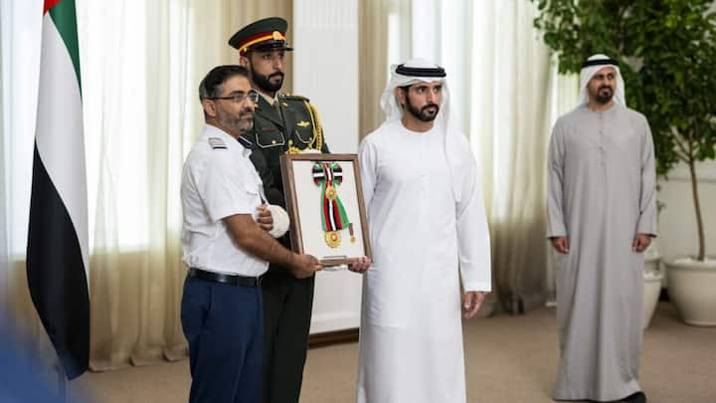
The United Arab Emirates has honoured Indian pilot Captain Smit Machchhar and members of the flydubai flight crew for their handling of a dangerous situation. The recognition acknowledges their bravery, professionalism and commitment to passenger safety.
According to the presentation, UAE President Sheikh Mohamed bin Zayed Al Nahyan honoured the pilot and crew with the First Class Order of Zayed II.
Presentation of the Award
The awards were presented by Sheikh Hamdan bin Mohammed bin Rashid Al Maktoum, Crown Prince of Dubai, Deputy Prime Minister and Minister of Defence of the UAE.
The honour recognises the crew’s actions in managing the reported incident and protecting the passengers under their care.
About the First Class Order of Zayed II
The First Class Order of Zayed II is an official state decoration of the United Arab Emirates. It is named after Sheikh Zayed bin Sultan Al Nahyan, the founding president of the country.
The decoration is awarded by the UAE President to recognise outstanding service, acts of bravery, significant diplomatic contributions or exceptional devotion to the nation.
Significance
The recognition highlights the importance of professional decision-making and teamwork in aviation safety. It also reflects the value placed on individuals who demonstrate courage and responsibility while protecting human life.
The honour given to an Indian pilot and the flight crew additionally illustrates the recognition that professional service can receive beyond national borders.
Key facts for revision
- Country presenting the honour: United Arab Emirates
- Indian pilot: Captain Smit Machchhar
- Associated airline: flydubai
- Award: First Class Order of Zayed II
- UAE President: Sheikh Mohamed bin Zayed Al Nahyan
- Award presenter: Sheikh Hamdan bin Mohammed bin Rashid Al Maktoum
- Award named after: Sheikh Zayed bin Sultan Al Nahyan
Sikkim Hosts Its First Himalayan Yak Festival
Introduction
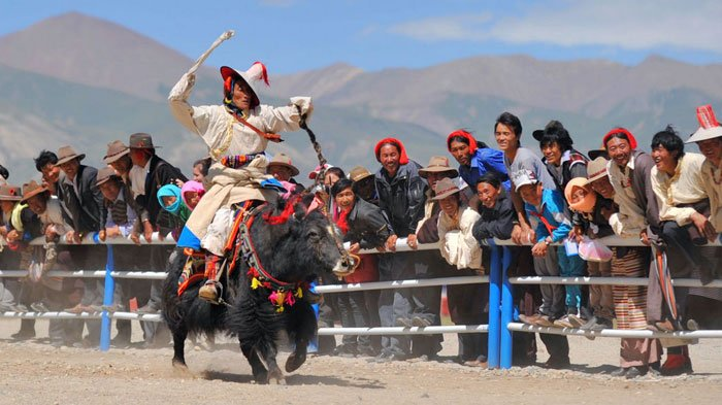
Sikkim hosted its first Himalayan Yak Festival in Gnathang Valley from 28 October 2026, bringing attention to yak conservation, the livelihoods of high-altitude herders and tourism in the Himalayan region.
The festival was organised by the state’s Animal Husbandry and Veterinary Services Department. Gnathang Valley is located near the India–China border.
Objectives of the Festival
The event aimed to promote awareness of yak conservation while supporting communities that depend on yak herding. It also sought to encourage tourism in high-altitude areas and showcase the economic and cultural importance of these animals.
The presentation reports that approximately 400–500 yaks participated in the event. Stalls displayed yak-derived products and developments in artificial insemination for yak breeding.
Importance of the Himalayan Yak
The domestic yak belongs to the cattle family, Bovidae, and is well adapted to cold, high-altitude environments. Its thick coat provides insulation, while its ability to graze on alpine vegetation helps it survive in mountainous terrain.
Yaks are valuable to Himalayan communities because they provide:
- Milk and meat
- Fibre and other useful products
- Transport in difficult mountain terrain
- Livelihood opportunities for herding communities
Yak Breeding and Conservation
Artificial insemination was among the topics highlighted at the festival. It is a reproductive technique in which semen is introduced into a female animal without natural mating. The method can support planned breeding programmes and livestock improvement.
The presentation identifies the Sikkimese yak as a distinct breed recognised by the National Bureau of Animal Genetic Resources (NBAGR), an Indian Council of Agricultural Research institute based in Karnal, Haryana.
Sikkim’s estimated yak population is reported to be 5,312.
Challenges Facing Yak Herders
Yak herding in Sikkim faces several challenges, including declining animal numbers, shrinking grazing areas, unpredictable weather and reduced interest in the occupation among younger generations.
The festival provided an opportunity to discuss these issues alongside conservation and the economic needs of herding communities.
Gnathang-Machong MLA Pamin Lepcha expressed hope that the event would become an annual festival. Thupden Lachungpa, an executive member of the Yak Federation of India, also proposed establishing a “Himalayan Pole” or “Yak Pole” to recognise the yak’s regional importance.
Significance
The festival connects biodiversity conservation with rural livelihoods and sustainable tourism. Supporting yak herders and maintaining indigenous livestock populations can help preserve traditional knowledge and the cultural heritage of Himalayan communities.
Key facts for revision
- Event: First Himalayan Yak Festival
- State: Sikkim
- Venue: Gnathang Valley
- Started: 28 October 2026
- Organiser: Animal Husbandry and Veterinary Services Department, Sikkim
- Estimated yaks participating: 400–500
- Estimated yak population in Sikkim: 5,312
- Breed-recognition body: National Bureau of Animal Genetic Resources (NBAGR)
- NBAGR location: Karnal, Haryana
Union Cabinet Approves Pradhan Mantri Viksit Gram Swaraj Yojana
Introduction
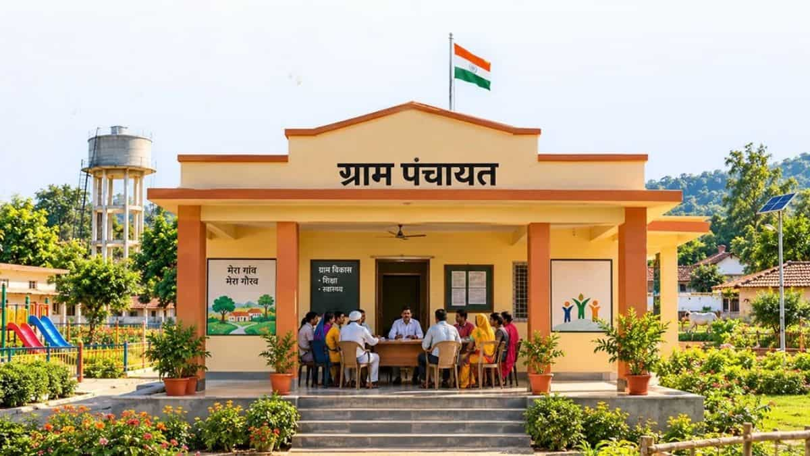
On 28 October 2026, the Union Cabinet approved the Pradhan Mantri Viksit Gram Swaraj Yojana (PM VGSY), a Centrally Sponsored Scheme intended to strengthen Panchayats and traditional local bodies.
The scheme focuses on improving grassroots governance, development planning, financial accountability and the capacity of local representatives.
Financial Outlay and Duration
The scheme has a total outlay of ₹7,395.55 crore for the five-year period from 2026–27 to 2030–31. Its duration is aligned with the period of the Sixteenth Finance Commission.
The allocation is divided as follows:
| Component | Amount |
|---|---|
| Central share | ₹4,869.48 crore |
| State share | ₹2,526.07 crore |
| Total outlay | ₹7,395.55 crore |
Coverage and Beneficiaries
According to the presentation, PM VGSY is intended to cover more than 2.55 lakh Panchayats and traditional local bodies.
Around 32 lakh elected representatives, Panchayat functionaries and other stakeholders are expected to benefit directly through training and capacity-building activities.
The scheme is designed to improve the ability of local institutions to identify development priorities, prepare plans and manage public resources effectively.
Main Objectives
The scheme’s principal objectives include:
- Strengthening village-level governance.
- Improving local development planning.
- Enhancing financial accountability.
- Building the skills of elected representatives and Panchayat functionaries.
- Supporting digital governance and better monitoring of development activities.
Role of the eGramSwaraj Portal
PM VGSY provides for the preparation of 2.55 lakh holistic Gram Panchayat Development Plans annually through the eGramSwaraj portal.
The platform supports Panchayat-level planning, progress reporting and accounting-related processes. It helps local bodies document development priorities and monitor activities in a more structured manner.
Constitutional Background of Panchayati Raj
The presentation also highlights important constitutional provisions relating to local self-government.
The 73rd Constitutional Amendment Act, 1992 gave constitutional status to Panchayati Raj institutions and came into force on 24 April 1993. It inserted Part IX, covering Articles 243 to 243-O, into the Constitution.
The Eleventh Schedule lists 29 subjects that may be devolved to Panchayats, including agriculture, rural housing, drinking water and roads.
Two important provisions are:
- Article 243B: Provides for Panchayats at village, intermediate and district levels, subject to the constitutional exception for certain states with a population not exceeding 20 lakh.
- Article 243-I: Provides for the constitution of a State Finance Commission every five years to review the financial position of Panchayats.
The Ministry of Panchayati Raj oversees the national policy framework for Panchayati Raj institutions.
Significance
PM VGSY aims to strengthen local institutions by improving their planning capacity, administrative skills and financial accountability. Better-equipped Panchayats can identify local needs more effectively and support the implementation of development programmes.
The scheme’s focus on training and digital governance also reflects the importance of capable grassroots institutions in achieving inclusive rural development.
Review Questions
1. What position did the Bihar Museum secure in The World’s 100 Best Museums 2026 list, according to the presentation?
A) 5th
B) 7th
C) 9th
D) 10th
Correct Answer: C) 9th
2. Who designed the Bihar Museum in collaboration with Opolis Architects?
A) B. V. Doshi
B) Fumihiko Maki
C) Frank Gehry
D) Zaha Hadid
Correct Answer: B) Fumihiko Maki
3. The Earthshot Prize was established in which year?
A) 2018
B) 2019
C) 2020
D) 2022
Correct Answer: C) 2020
4. How much prize money does each winner of an Earthshot Prize category receive?
A) £250,000
B) £500,000
C) £1 million
D) £2 million
Correct Answer: C) £1 million
5. Which Indian initiative won the Earthshot Prize in 2023 under the Fix Our Climate category, according to the presentation?
A) Takachar
B) Kheyti
C) Boomitra
D) S4S Technologies
Correct Answer: C) Boomitra
6. Which honour did the UAE confer on Indian pilot Captain Smit Machchhar and the flydubai flight crew?
A) Order of Zayed
B) First Class Order of Zayed II
C) UAE Bravery Medal
D) Order of the Union
Correct Answer: B) First Class Order of Zayed II
7. Where was Sikkim’s first Himalayan Yak Festival held?
A) Gangtok
B) Lachung
C) Gnathang Valley
D) Namchi
Correct Answer: C) Gnathang Valley
8. The Sikkimese yak is recognised as a distinct breed by which organisation?
A) Food Safety and Standards Authority of India
B) National Bureau of Animal Genetic Resources
C) National Dairy Development Board
D) Indian Veterinary Research Institute
Correct Answer: B) National Bureau of Animal Genetic Resources
9. What is the total financial outlay of the Pradhan Mantri Viksit Gram Swaraj Yojana?
A) ₹5,395.55 crore
B) ₹6,395.55 crore
C) ₹7,395.55 crore
D) ₹8,395.55 crore
Correct Answer: C) ₹7,395.55 crore
10. Which Article of the Indian Constitution provides for a State Finance Commission to review the financial position of Panchayats?
A) Article 243B
B) Article 243D
C) Article 243G
D) Article 243-I
Correct Answer: D) Article 243-I