




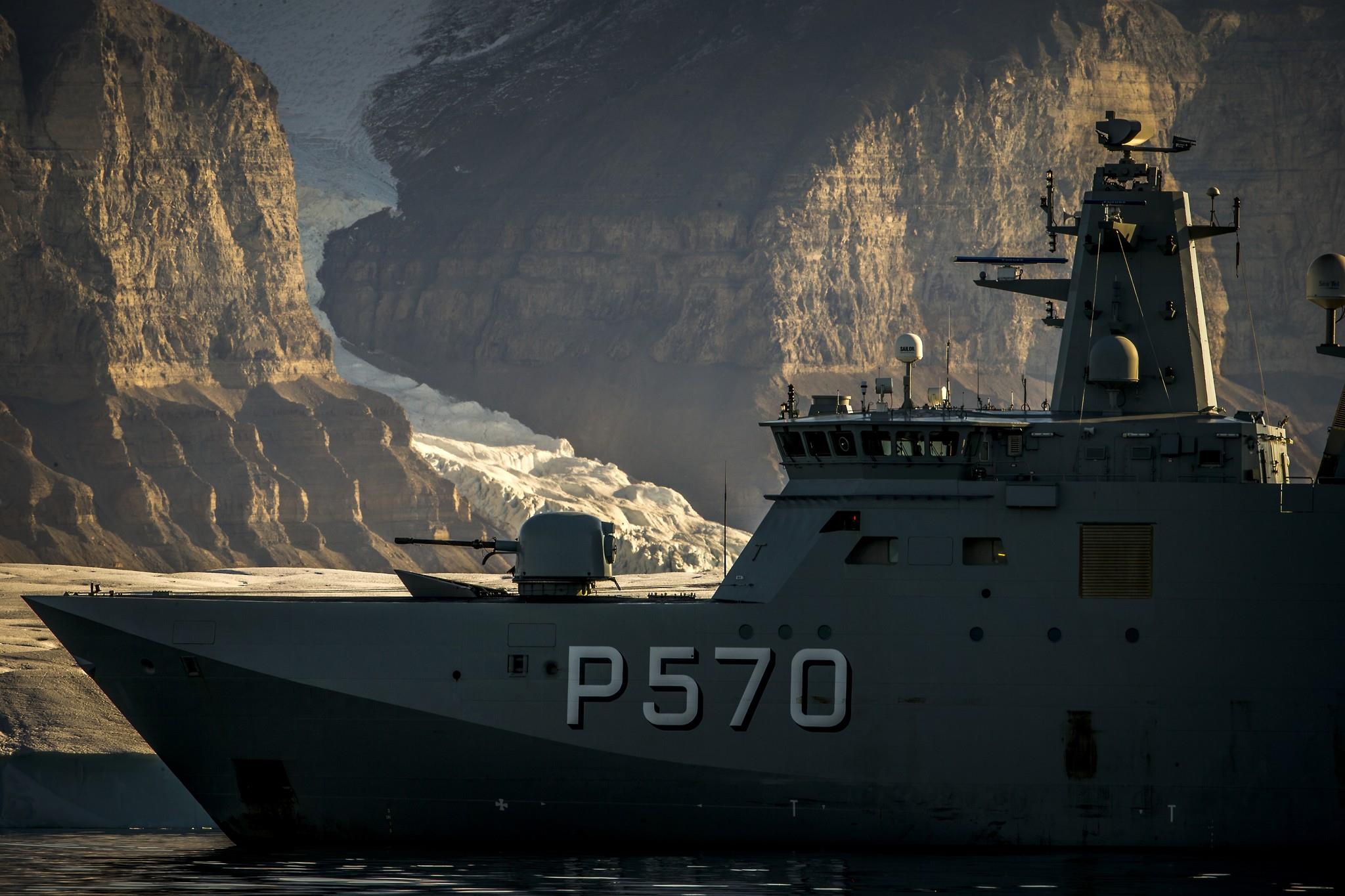
Danish Naval Ships has formed a strategic partnership with Semco Maritime to construct new Arctic patrol ships and frigates for the Danish Armed Forces. This initiative aligns with Denmark’s commitment to enhancing its military presence in the Arctic region, an area of growing geopolitical significance due to proximity to both the United States and Russia.
The collaboration will harness Danish Naval Ships’ expertise in military vessel construction alongside Semco’s extensive experience in managing complex supply chains. The development will be further bolstered by industry support from key organizations such as Terma, Odense Maritime Technology, and PensionDenmark, which will contribute to design, infrastructure, and production capacities for the upcoming Arctic vessels.
A significant portion of the construction activities will be conducted in Esbjerg, Southern Denmark, a location noted for its strategic advantages and recognition as a NATO port. The consortium anticipates that the first vessel resulting from this partnership will be delivered by 2029.
Steen Brødbæk, CEO of Semco Maritime, emphasized the importance of the project, stating, “It is rare that a task makes as much sense as delivering new ships to the Danish Navy for the benefit of Danish security and Danish jobs.” He highlighted the potential for strong collaboration with various Danish industrial and service sectors to realize the ambitions of the Armed Forces.
This initiative comes amid Denmark’s broader $2-billion strategy that addresses intensifying security concerns following geopolitical tensions, including US President Donald Trump’s controversial suggestions regarding Greenland and the ramifications of Russia’s illegal invasion of Ukraine.
In conjunction with developing Arctic capabilities, Denmark has taken several steps to bolster its military inventory. Recently, the Danish Ministry of Defence partnered with Norway to manufacture rescue boats for the Danish Coastal Rescue Service. Additionally, the Danish Home Guard expanded its operational readiness by accepting short takeoff and landing utility aircraft suitable for both domestic and international missions.
Earlier in the year, a framework agreement was established to deliver medium-type intelligence, surveillance, and reconnaissance drones to the Danish armed forces over the next decade. Furthermore, Denmark enhanced its naval capabilities in January by receiving NATO-grade patrol vessels designated for operations linked to national police and within EU territories.
As Denmark continues to invest in its military technology and infrastructure, the focus on Arctic readiness reflects an awareness of the shifting political landscape and the need to secure its interests in a rapidly evolving global context.


