Denmark’s Prime Minister has issued a stern warning regarding recent comments made by U.S. President Donald Trump concerning Greenland, an autonomous territory of Denmark with significant mineral resources and strategic importance. Following Trump’s reiterated desire to annex Greenland, the Danish leader emphasized that any forceful U.S. move would obliterate nearly a century of transatlantic security ties.
The renewed discussions about Greenland come amidst heightened tensions related to U.S. military actions in Venezuela, which have sparked concerns among European leaders about Trump’s intentions towards the mineral-rich Arctic territory. Greenland’s geographic position—being a key point in missile trajectories between Russia and the United States—makes it strategically vital to U.S. military interests.
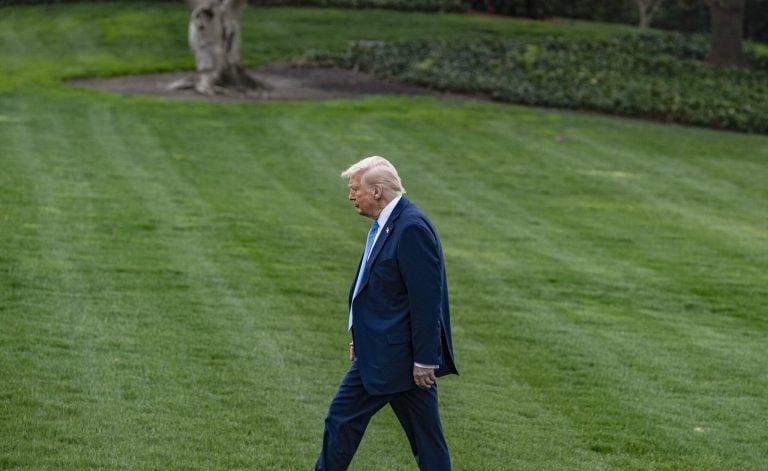
During a recent public address, President Trump stated, “We need Greenland from the standpoint of national security, and Denmark is not going to be able to do it,” suggesting that military intervention might be considered. This comment was met with immediate backlash from both Danish officials and the European Union, who have rallied in defense of Denmark as a NATO ally.
Greenland’s Prime Minister Jens-Frederik Nielsen called for restraint, directly addressing Trump on social media and insisting on respect for international law while rejecting any notions of annexation. He underscored the importance of dialogue between the U.S. and Denmark, expressing confidence that the U.S. cannot simply conquer Greenland.
Despite ongoing concerns over the U.S.’s military posture in the region, Nielsen urged citizens not to panic, framing the situation as one requiring calm cooperation rather than outright fear of military action. He emphasized the historical partnership between the two nations and the need to restore good relations.
Trump’s recent comments about Greenland have drawn criticism from various diplomatic circles, particularly as they followed his controversial actions in Venezuela, where he has indicated intentions to control the nation’s vast oil reserves. This rhetoric has led to accusations from China that the U.S. is using the “China threat” as a pretext for self-serving agendas.
Reaction within Europe has been overwhelmingly supportive of Denmark. The European Union reiterated its commitment to safeguarding the territorial integrity of its member states, while leaders from the UK, Finland, Sweden, and Norway echoed sentiments that decisions regarding Greenland must rest solely with its residents and the Danish monarchy.
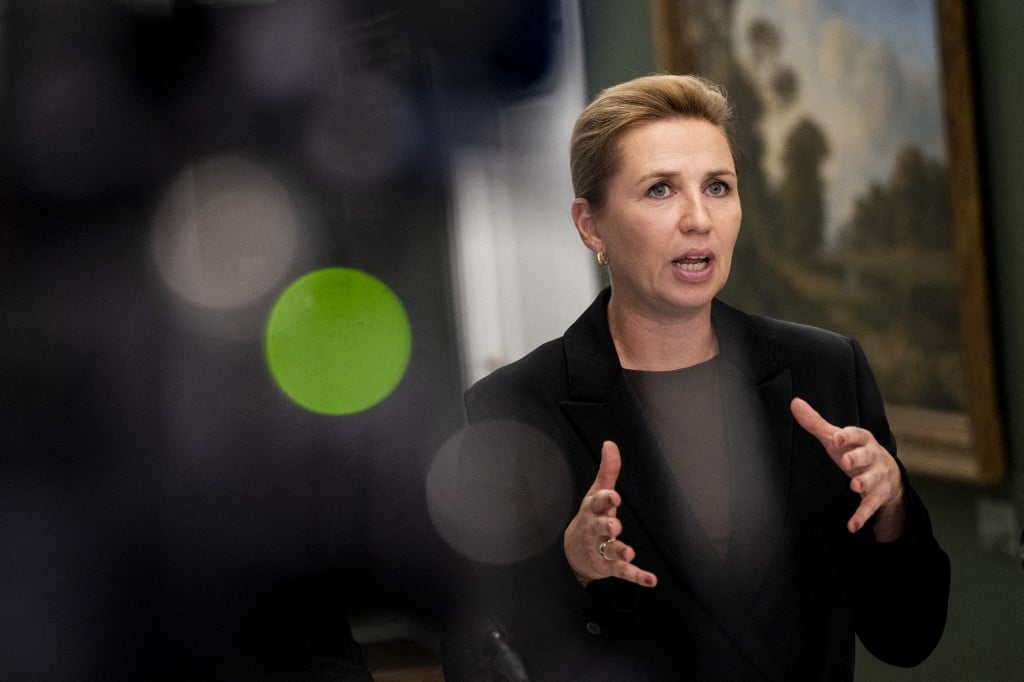
The controversy intensified after social media posts by former Trump aide Katie Miller, depicting Greenland in the U.S. flag colors, were deemed disrespectful by Danish officials. Responding to the matter, Danish Prime Minister Mette Frederiksen urged Washington to cease threats against its historical allies, labeling U.S. claims regarding Greenland as absurd.
Questions about U.S. intentions linger, particularly as senior advisors, including Stephen Miller, suggest that concerns for Greenland’s status are unwarranted, reinforcing an alarming narrative that minimizes the sovereignty of Denmark over its territory. The growing geopolitical tensions surrounding Greenland reflect broader anxieties about U.S. foreign policy directions under the current administration.