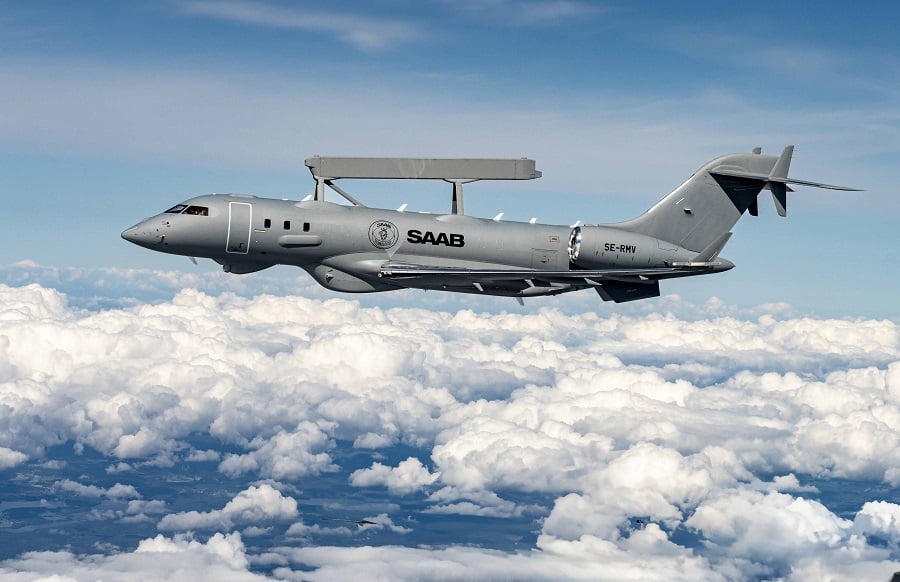
France has made a significant commitment to enhancing its aerial surveillance capabilities by placing an order for Saab’s GlobalEye Airborne Early Warning and Control (AEW&C) system. This important milestone follows a declaration of intent that was signed in June 2025.
The agreement encompasses the procurement of two GlobalEye aircraft along with essential ground equipment, training, and ongoing support. The contract is valued at 12.3 billion Swedish krona, which is approximately $1.3 billion, and includes an option for an additional two aircraft if needed. Deliveries of the aircraft are slated to occur between 2029 and 2032, marking a strategic upgrade to France’s aerial defense technology.
In announcing the order, Saab President and CEO Micael Johansson emphasized the strengthened collaboration between Saab and France. He noted that this selection represents a significant investment in a state-of-the-art Airborne Early Warning & Control solution that reflects modern military practices.
The GlobalEye system, renowned for its advanced radar surveillance capabilities, is also being embraced by Sweden for its air force. Furthermore, the United Arab Emirates, the system’s inaugural export customer, has already deployed a fleet of five GlobalEye aircraft in its operations.
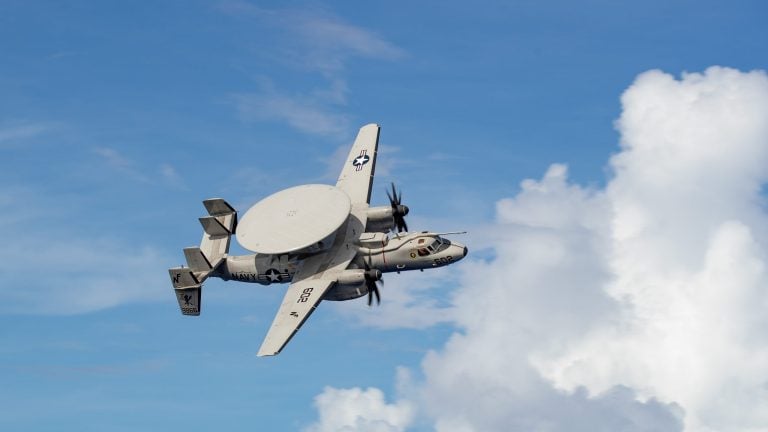
In a broader context, Saab has positioned the GlobalEye as a potential alternative for NATO’s aging E-3 airborne warning and control systems, emphasizing its relevance to international defense collaborations.
The GlobalEye platform is built on the Bombardier Global 6000/6500 business jet, boasting a maximum takeoff weight of 99,500 pounds (45,132 kilograms). Its multi-domain sensor suite includes the Erieye Extended Range radar, an automatic identification system (AIS), and an electro-optical sensor, offering powerful surveillance functionalities.
Saab reports that the GlobalEye has an impressive instrumented range exceeding 350 nautical miles (403 miles or 648 kilometers) and can sustain operations for over 11 hours. Once the GlobalEye AEW&C aircraft are operational, they are expected to replace France’s outdated fleet of E-3F Sentry aircraft—militarized variants of the Boeing 707—which began service in 1991 and are anticipated to retire in the 2030s.
This strategic acquisition by France exemplifies its proactive approach to modernizing its military forces and underscores the growing importance of advanced airborne systems in contemporary defense strategies.