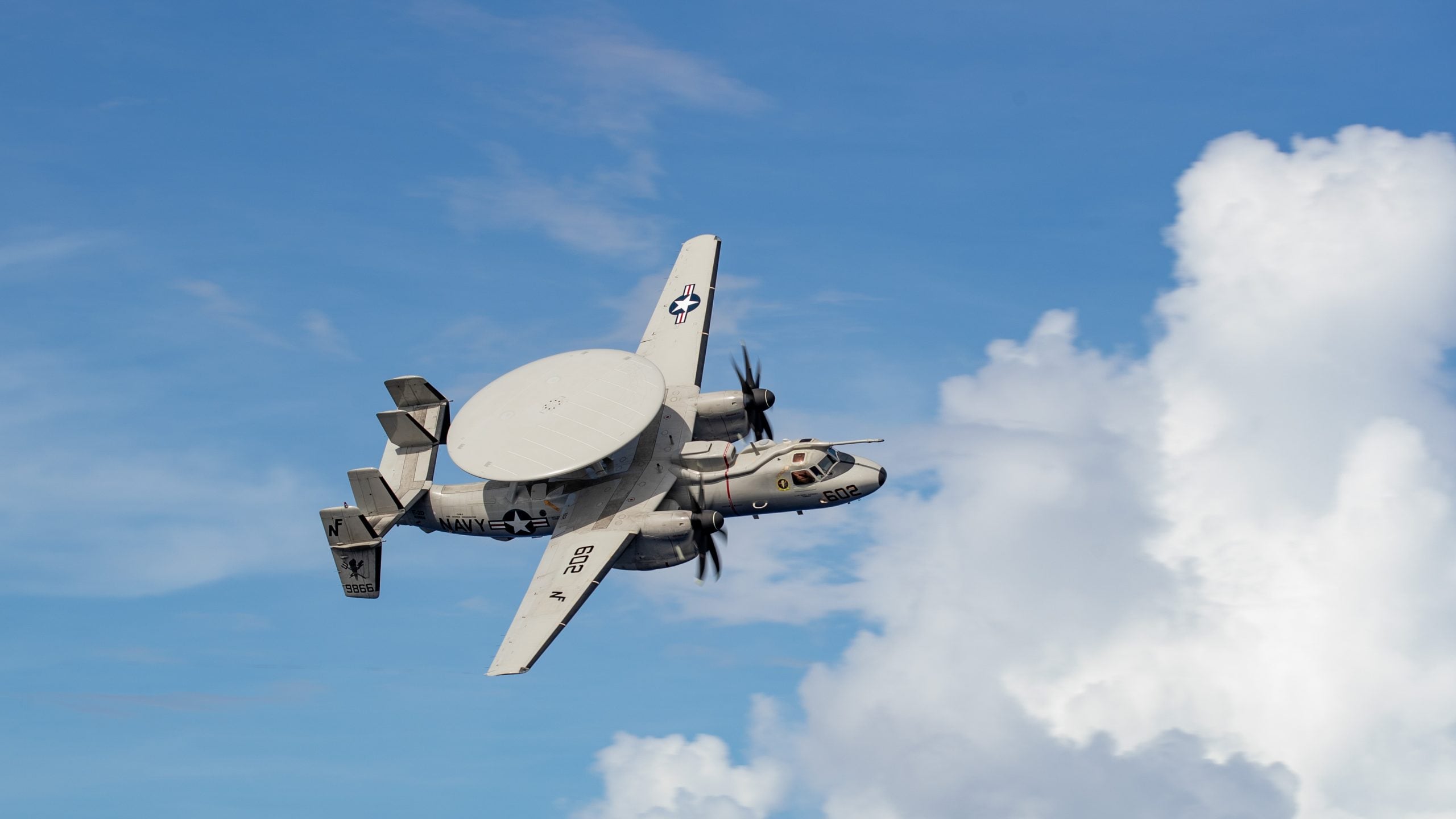
The E-2D Hawkeye stands as a cornerstone of airborne surveillance and command within the U.S. Navy’s fleet, serving as a critical asset in maintaining maritime dominance. This advanced airborne early warning aircraft is engineered to provide an extensive range of radar capabilities, enhancing fleet defense strategies and facilitating robust command operations.
One of the hallmark features of the E-2D Hawkeye is its advanced radar system, which employs the AN/APY-9 radar. This technology allows for detailed ground and aerial tracking, positioning the aircraft as an unmatchable eye in the sky. The AN/APY-9 is capable of monitoring multiple targets simultaneously, significantly enhancing situational awareness for naval commanders. This level of insight enables proactive decision-making, ensuring that threats are identified and neutralized before they can impact naval operations.
In terms of fleet defense, the E-2D’s capabilities are indispensable. The aircraft acts as a sentinel for carrier strike groups, providing early warning of incoming threats, be they air, sea, or land-based. Its ability to detect stealth aircraft and other potential dangers allows for a more layered defense strategy, thereby increasing the survivability of naval operations in contested environments. By ensuring that vessels can act swiftly in response to emerging threats, the E-2D plays a pivotal role in ensuring mission success.
The airborne command functionalities of the E-2D Hawkeye further enhance its operational effectiveness. It serves not only as a reconnaissance platform but also as a command and control hub. This capability allows for seamless communication and coordination among various naval assets, ensuring that all elements of the fleet operate in concert. The aircraft can relay critical information to ships, aircraft, and ground forces, which is essential for achieving operational objectives.
With its enhanced radar capabilities, comprehensive fleet defense measures, and robust airborne command functionalities, the E-2D Hawkeye remains a vital component of the U.S. Navy’s operational landscape. As contemporary warfare continues to evolve, the airframe is expected to adapt, integrating cutting-edge technologies to meet emerging threats while maintaining its status as a leader in airborne early warning and command operations.
As military strategists and naval commanders look towards the future, the continued investment in and enhancement of the E-2D Hawkeye will undoubtedly remain a focus, reaffirming its role as a critical player in securing maritime interests in an increasingly complex global environment.