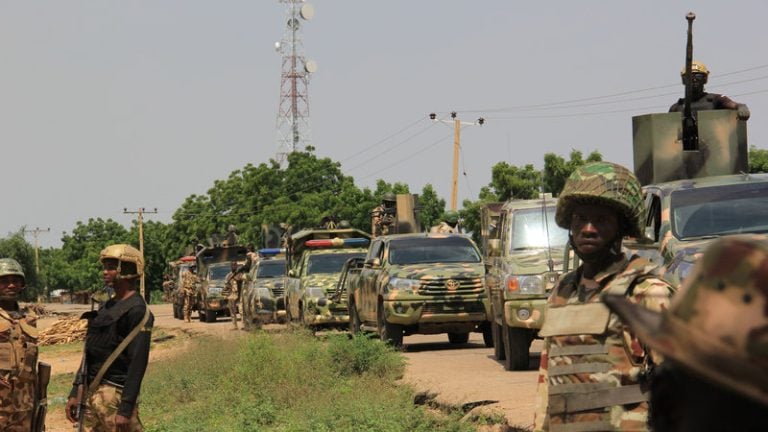
In a shocking incident at Sydney’s Bondi Beach, two gunmen opened fire, resulting in the deaths of 11 individuals and injuring many others during a gathering for the Jewish festival of Hanukkah on Sunday. This tragic event drew swift action from emergency responders, who transported at least 29 people to local hospitals, underscoring the chaos that unfolded in one of Australia’s major tourist destinations.
New South Wales police reported that one of the alleged assailants was killed during the attack, while the other was critically injured. The shooting has been classified as a “terrorist incident,” particularly because police discovered suspected improvised explosive devices in a vehicle linked to the deceased suspect.
Prime Minister Anthony Albanese condemned the attack as a targeted assault on Jewish Australians, occurring on a day that should have been filled with celebration and faith. He referred to the shooting as an “act of evil, antisemitism, terrorism,” affirming that an attack on Jewish Australians is tantamount to an attack on all Australians. The event, part of the annual “Hanukkah by the Sea,” was attended by over a thousand participants and was meant to be a time of joy.
Israeli President Isaac Herzog denounced the violence as a “cruel attack on Jews” and urged Australian authorities to enhance measures against the rising tide of antisemitism. Israeli Prime Minister Benjamin Netanyahu echoed these sentiments, asserting that the Australian government had inadvertently contributed to anti-Jewish sentiment, creating a dangerous environment leading up to the shooting.
As the gunfire erupted, terrified crowds fled the beach, a popular location for surfers and tourists alike. Eyewitness accounts described the harrowing scene, with one student recalling, “It felt like 10 minutes of just bang, bang, bang. It seemed like a powerful weapon.” Another witness recounted seeing six individuals lying on the beach, either dead or wounded, while the grassy areas were littered with personal belongings left behind in haste, including a children’s stroller.
At least one firearm, resembling a pump-action shotgun, was found at the scene, contributing to the chaotic atmosphere described by witnesses and authorities. Reports indicated two shooters were seen armed with semi-automatic weapons, amplifying fears among those present.
This incident occurs against a backdrop of increasing antisemitism in Australia, particularly following the Hamas attack on Israel in October. Jewish communities have expressed heightened concerns over their safety in light of recent violent acts, including the arson of a kosher café and a synagogue attack attributed to influences from foreign entities.
The leader of the Australian Jewish Association labeled the Bondi Beach shooting a “foreseeable tragedy,” criticizing the Albanese government for allegedly failing to take sufficient action to protect Jewish citizens amidst rising threats. In contrast, the Australian National Imams Council, representing the Muslim community, condemned the attack, urging compassion for the victims and their families.
In the wake of this violence, the Australian public is left grappling not only with the personal tragedies of loved ones lost but also with the broader implications of societal attitudes towards religious and ethnic communities in what should remain a nation of diverse acceptance and security.