South Korean defense contractor Hanwha Aerospace has unveiled a substantial investment initiative amounting to 100 million euros ($115.5 million) aimed at bolstering Estonia’s defense sector. This ambitious package encompasses the construction of both a sustainment and repair center, as well as an ammunition factory, marking a significant step in enhancing the capabilities of the Estonian Defence Forces.
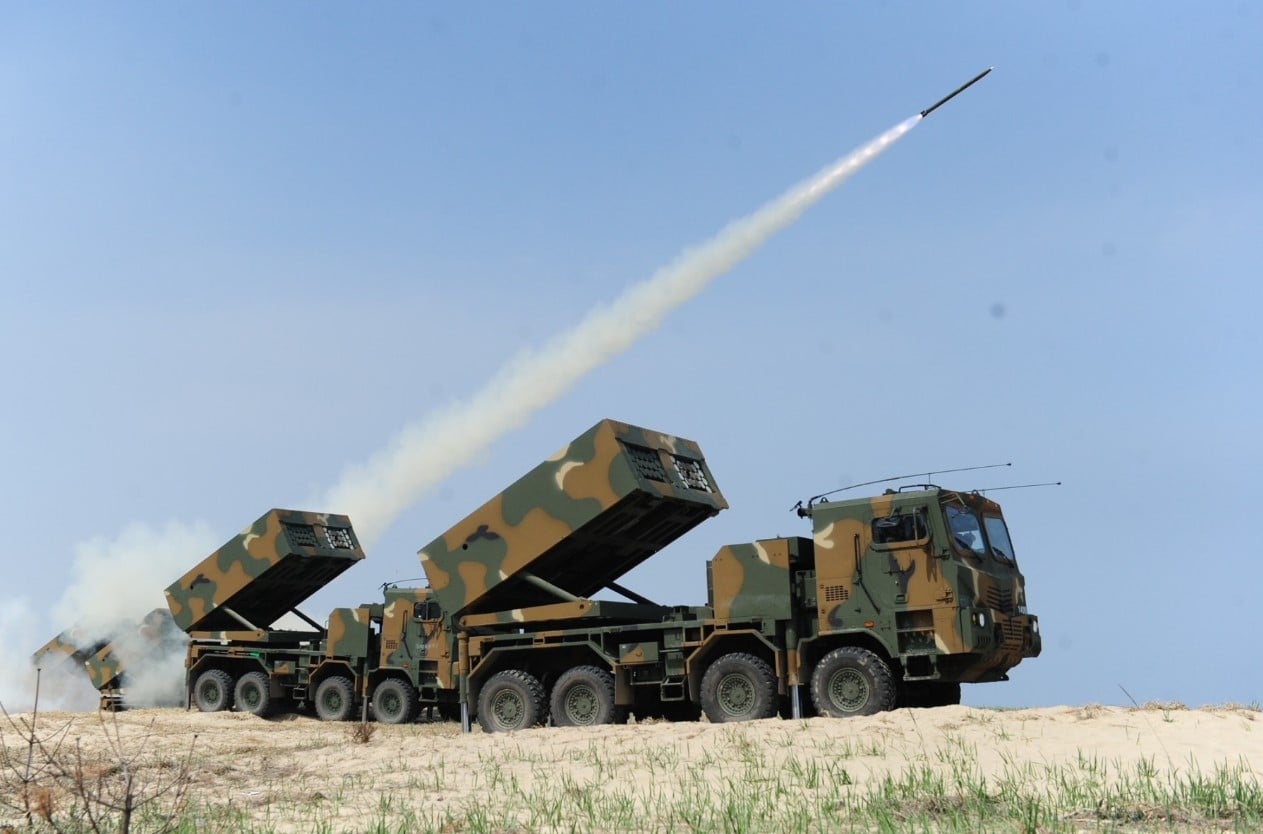
The planned maintenance facility is intended to support various systems that Hanwha has supplied to Estonia, notably the K9 Thunder self-propelled howitzers and the K239 Chunmoo multiple rocket launcher systems. This development comes at a crucial time, as Estonia seeks to modernize and expand its military capabilities in response to evolving security challenges.
Part of the investment plan includes funding for a 40-millimeter ammunition plant, which is projected to produce over 300,000 rounds annually. Approximately 25 million euros ($28.9 million) of the investment will be allocated specifically to this factory, which will be operated in collaboration with a local partner, further integrating local industry into Estonia’s defense supply chain.
In addition to the construction projects, Hanwha’s comprehensive investment strategy also addresses training initiatives, equipment support, and enhancement of research and development collaboration with Estonian firms. This multifaceted approach underscores the long-term commitment to strengthening not only the defense infrastructure but also the local economy.
Hanwha projects that the economic ripple effects from this investment and associated joint projects could reach a staggering 160 million euros ($184.9 million), which would elevate the overall value of the cooperation package to around 260 million euros ($300.5 million).
Estonian Defence Minister Hanno Pevkur remarked that this investment aligns closely with Tallinn’s ongoing procurement agreement concerning the Chunmoo rocket artillery system. He highlighted that a cornerstone of this contract was Hanwha’s promise to invest in the Estonian defense sector. Minister Pevkur also noted that negotiations are advancing towards formal agreements with domestic enterprises, emphasizing the collaborative spirit of this initiative.
Moreover, Pevkur stressed Estonia’s desire for more than mere financial input. He articulated a vision for technology transfer that incorporates not just “dry” investments in outdated technologies, but a significant influx of modern knowledge and skills into the defense industry. “Hanwha has proven itself to be a very reliable partner for Estonia,” he concluded, reflecting the confidence in this partnership and its potential to reshape the future of Estonia’s defense landscape.