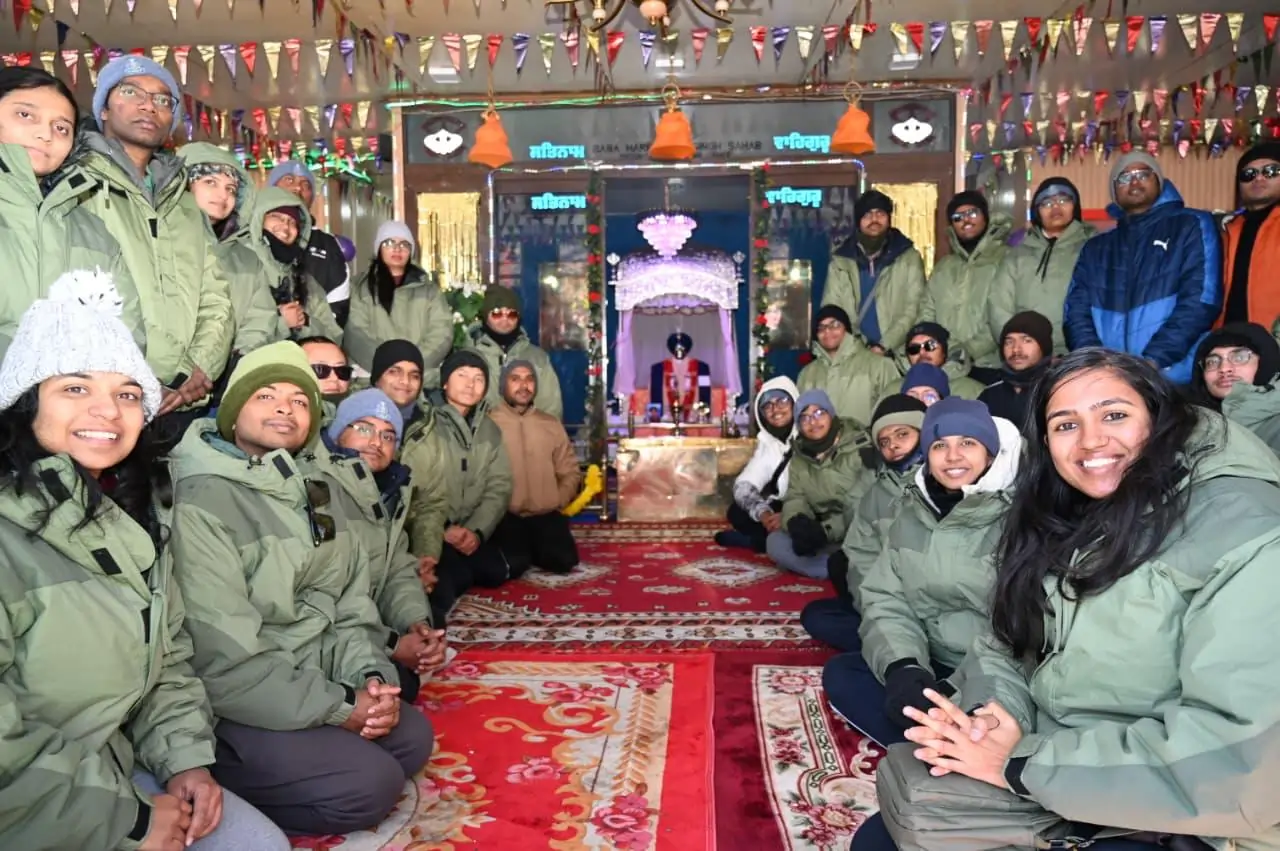
In a significant initiative aimed at bolstering military-civil collaboration for national security, forty-one IAS Officer Trainees from the Lal Bahadur Shastri National Academy of Administration (LBSNAA) have recently completed a week-long attachment with the Trishakti Corps in Sikkim. This forward area engagement was focused on familiarizing the trainees with the operational environment and lifestyle of soldiers deployed in challenging high-altitude conditions.
The structured program provided the trainees with a unique opportunity to experience firsthand the intricacies and challenges faced by military personnel stationed in remote and strategically important areas. This immersive approach not only aimed to enhance inter-institutional coordination but also sought to educate future civil servants about the real-world implications of border management and the critical nature of national security.
Throughout the attachment, the trainees visited several key historical and operational sites, including Bardang Prernasthal, Nathu La, the Baba Harbhajan Singh Shrine, Ganju Lama War Memorial, and Tsomgo Lake. These excursions were instrumental in illustrating the strategic importance of the region, showcasing military history, and highlighting the demanding conditions under which troops operate.
Interacting with military personnel allowed the IAS trainees to gain a deeper appreciation of the Indian Army’s ethos, discipline, and resilience. They learned about the vital need for seamless cooperation between civil administration and the Armed Forces, particularly in ensuring effective governance in border areas.
The experience served to reinforce a shared commitment among civil and military institutions towards national security, with an emphasis on a unified approach to emerging challenges. By building mutual respect and cooperation, this initiative underscores the importance of collaborative efforts in facing the complexities of governance and security in sensitive regions.