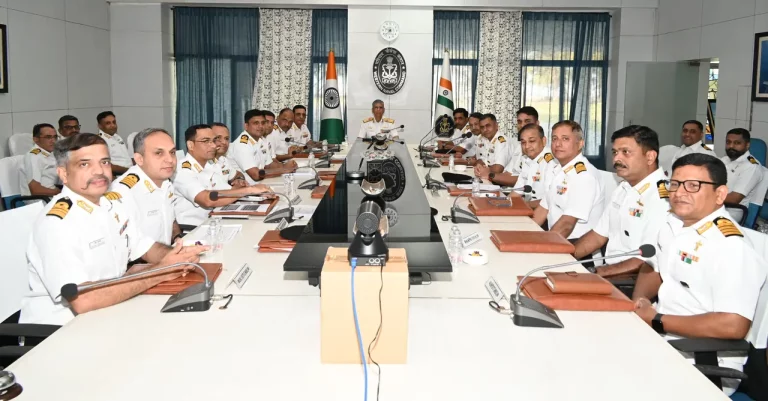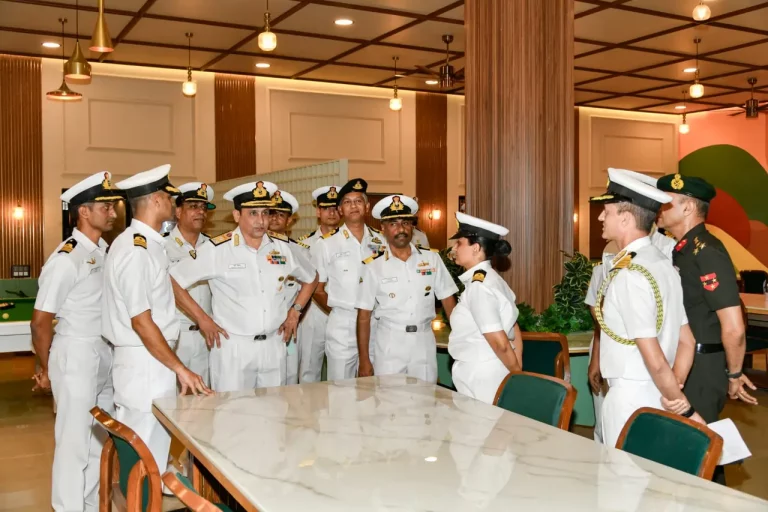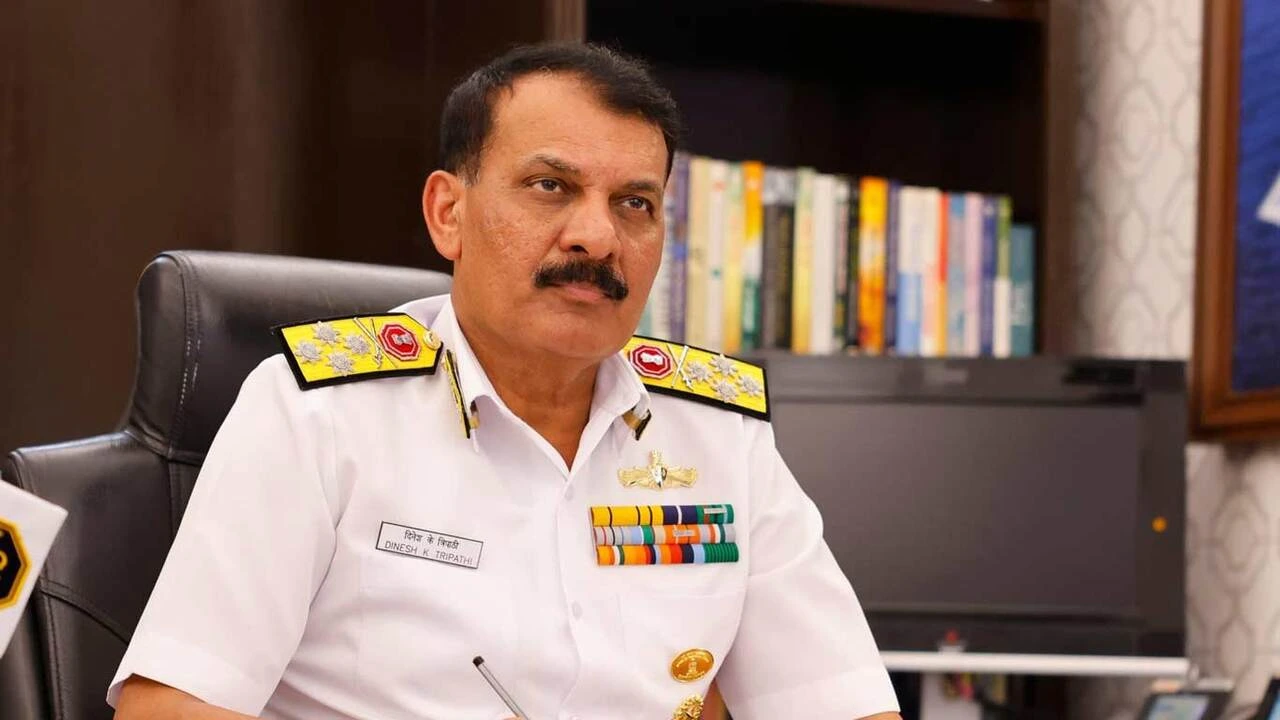
In a significant statement reflecting the evolving landscape of gender roles within the armed forces, Chief of the Naval Staff Admiral Dinesh Kumar Tripathi revealed that the Indian Navy may see a woman admiral within the next few years. Speaking at the 9th National HR Conclave hosted by the Southern Gujarat Chamber of Commerce in Surat, Admiral Tripathi expressed optimism about the future, suggesting that soon, a woman could stand in his place, delivering similar messages of leadership and empowerment.
The Admiral emphasized the Navy’s commitment to inclusivity and the expanding opportunities available to women in naval roles. Since their induction in the early 1990s, women have made strides to serve across all branches and ranks within the Navy. “We have opened all branches and corridors to women. It is a matter of time before we open the submarine arm,” he stated, indicating that the Navy is actively working towards equal representation in its ranks.
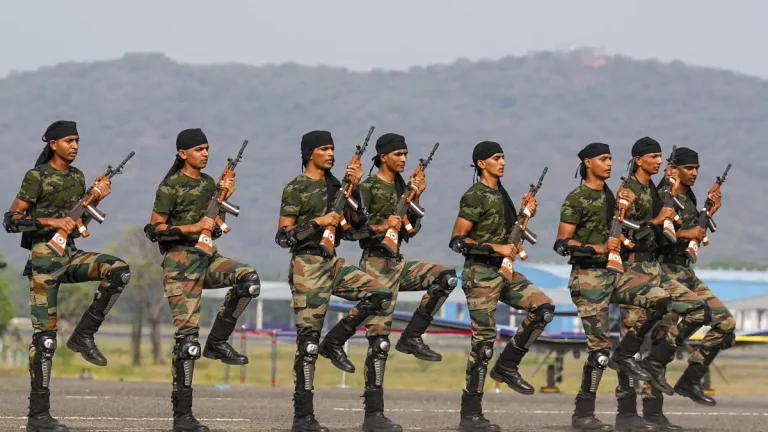
Highlighting the current achievements of women officers, Admiral Tripathi mentioned that they already serve as fighter pilots, helicopter pilots, and commanding officers of ships. This increase in female representation, he added, naturally leads to greater possibilities for women to attain high-ranking leadership positions within the Navy.
In addition to issues of gender equality, Admiral Tripathi discussed India’s self-reliance in naval shipbuilding. He asserted that all ships and submarines for the Indian Navy are now being constructed domestically, with no plans for foreign construction. He proudly noted that India stands out as the only non-P5 country capable of designing, building, and operating an aircraft carrier as well as a Ship Submersible Ballistic Nuclear (SSBN). This capability is attributed to long-term investments dating back to the establishment of the Warship Design Bureau in the 1960s.
On the topic of India’s global maritime role, Admiral Tripathi pointed out that India supplies around 12% of the world’s seafarers. He noted ongoing government efforts aimed at positioning India among the top three maritime manpower suppliers globally, highlighting that currently, one in every eight individuals in the merchant navy is Indian.
Reflecting on India’s rich maritime heritage, the Admiral paid homage to Gujarat as a historical hub of seafaring excellence. He referenced ancient sites like Lothal, Dholavira, and Dwarka, alongside the iconic Baan Sthamb at Somnath, illustrating India’s long-standing connection to maritime trade and navigation.
In a nod to contemporary achievements, Admiral Tripathi mentioned the INS Surat, referring to the latest stealth destroyer as a source of national pride. This vessel was recently commissioned by the Prime Minister in Mumbai, serving as a testament to India’s advancements in naval technology.
The remarks delivered by Admiral Tripathi indicate a transformative phase for the Indian Navy characterized by gender inclusivity, indigenous capabilities, and an expanding global maritime presence. With the prospect of a woman admiral on the horizon, these changes mark a pivotal moment in the Navy’s evolution and approach to leadership.