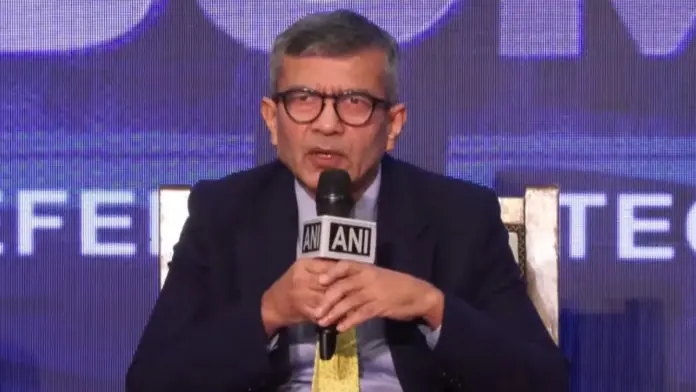
India’s Defence Secretary Rajesh Kumar Singh has issued a strong ultimatum to both domestic and international defence manufacturers regarding delays in military deliveries. During the National Security Summit held in New Delhi on November 28, Singh outlined that the Ministry of Defence (MoD) will adopt a zero-tolerance approach toward missed deadlines in critical procurement contracts.
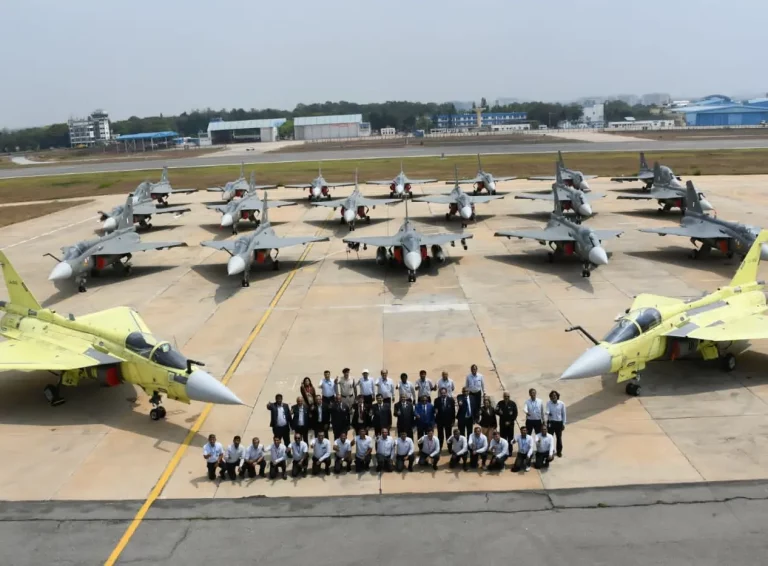
Under this new policy, suppliers are mandated to deliver military equipment within one year from the date of contract signing. Any failure in meeting this timeline will lead to the automatic cancellation of the contract, without exceptions. This decisive move aims to address a longstanding issue of overpromising and underperforming in the defence sector, which has been a concern raised recently by Air Chief Marshal Amar Preet Singh, particularly in relation to the delays surrounding the production of the TEJAS MK-1A fighter jet.
The Defence Secretary also pointed out that supply delays are not confined to Indian manufacturers but extend to several international partners. Delays have been noted in:
-
Russia: Ongoing slow deliveries of the S-400 Triumf systems, known as Sudarshan Chakra in India, are attributed to the ongoing conflict in Ukraine.
-
Israel: Timelines for essential defence equipment have been lagging considerably.
- General Electric (USA): There have been significant slips in engine delivery schedules for advanced military aircraft.
Singh highlighted that the $5.4 billion deal for the S-400 systems, signed in 2018, has faced considerable delays, with the final two squadrons now not expected to arrive until 2026. He stressed that these setbacks underscore the necessity for universal accountability in the defence procurement process, emphasizing that all vendors, regardless of their origin, must adhere to their contractual commitments.
In a positive development, Singh announced that India is nearing an agreement with a leading international engine manufacturer to co-develop a new 120 kN fighter jet engine. This engine will be entirely manufactured within India, granting the nation complete control over its intellectual property rights. This ambitious 10 to 12-year project is expected to work in tandem with India’s ongoing discussions with France’s Safran regarding the AMCA fighter engine under a government-to-government framework, with official approval anticipated soon.
Singh also reaffirmed the government’s commitment to accelerating military procurement processes through reforms outlined in the Defence Acquisition Procedure (DAP) 2020. Key changes include:
- Expedited user trials
- Streamlined cost negotiations
- Reduced procurement cycle times
- An increased focus on proven foreign systems for urgent operational needs
These reforms aim to enhance India’s operational readiness by removing bottlenecks in procurement, particularly in light of lessons learned from recent conflicts, including the standoff in Ladakh.
The message to the defence industry is clear: the government plans to enforce strict delivery timelines, bolster accountability across the sector, strengthen preparedness through timely delivery of military platforms, and promote domestic manufacturing under the Aatmanirbhar Bharat initiative. Vendors who fail to meet these stringent standards risk losing their contracts, as the MoD works to ensure that the armed forces receive critical systems without delays, reinforcing national security in a challenging geopolitical environment.