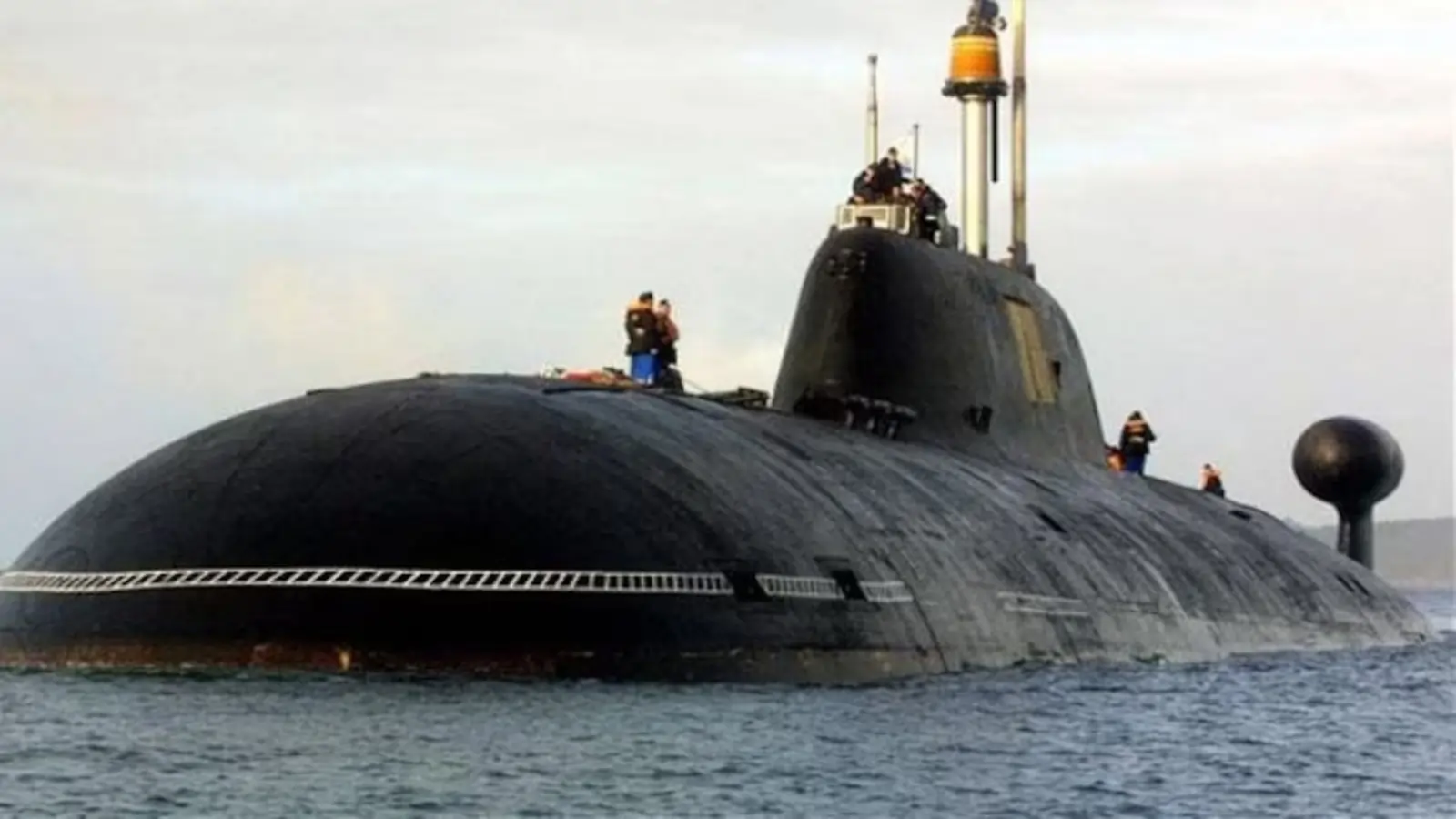
India is set to bolster its sea-based nuclear deterrent with the anticipated commissioning of its fourth Arihant-class nuclear-powered ballistic missile submarine (SSBN), designated as S4*. The submarine, likely to be named INS Arisudan, signifies a pivotal advancement in India’s indigenous strategic submarine program.
Launched on October 16, 2025, by Defence Minister Rajnath Singh, the introduction of INS Arisudan aligns with the naming lineage of its predecessors, namely INS Arihant, INS Arighaat, and INS Aridhaman. The name “Arisudan,” which translates to “destroyer of enemies” in Sanskrit, embodies the spirit of military might, reinforcing India’s commitment to safeguarding its national interests.
The ship-naming committee of the Indian Navy is responsible for proposing names, which are then submitted to the Ministry of Defence for clearance. The final endorsement is reserved for the President of India. Currently, the commissioning of INS Arisudan is slated for 2027, representing a significant enhancement to India’s nuclear triad amidst shifting regional security dynamics.
In terms of progress within the Arihant-class fleet, the third submarine of the series, INS Aridhaman, is approaching induction and is expected to enter service in early 2026 after undergoing comprehensive sea trials. Launched in November 2021 at Visakhapatnam’s Ship Building Centre, INS Aridhaman integrates an upgraded compact light water reactor that promises superior stealth, endurance, and operational capacity.
The newer submarines of the class are notably larger than the lead vessel, INS Arihant, by nearly 1,000 tonnes. They are fitted with eight vertical launch tubes, accommodating longer-range submarine-launched ballistic missiles (SLBMs).
INS Arihant initially operated the K-15 Sagarika missile, which has a range of about 750 km. In contrast, the forthcoming Arihant-class submarines are engineered to deploy the K-4 SLBM, boasting a range of approximately 3,500 km. Successful trials, executed by the Defence Research and Development Organisation (DRDO) alongside the Strategic Forces Command, have greatly enhanced India’s second-strike capability.
As the most resilient segment of India’s nuclear triad, SSBNs serve a crucial role in upholding the nation’s no-first-use nuclear policy, ensuring a credible deterrent through persistent at-sea patrols.
Simultaneously, India is advancing its Project P-77 initiative, aimed at developing indigenous nuclear-powered attack submarines (SSNs). Approved in October 2024 with an estimated budget of ₹40,000 crore, this project focuses on constructing two SSNs at Visakhapatnam with a significant domestic content, with the initial delivery anticipated in the mid-2030s.
In the interim, India relies on leased nuclear attack submarines, including the Akula-class INS Chakra III, which is scheduled for delivery from Russia in 2028.
The potential induction of INS Arisudan later this decade exemplifies India’s commitment to developing a self-sufficient and credible sea-based nuclear deterrent, thereby reinforcing its strategic autonomy and security profile within the Indo-Pacific region.