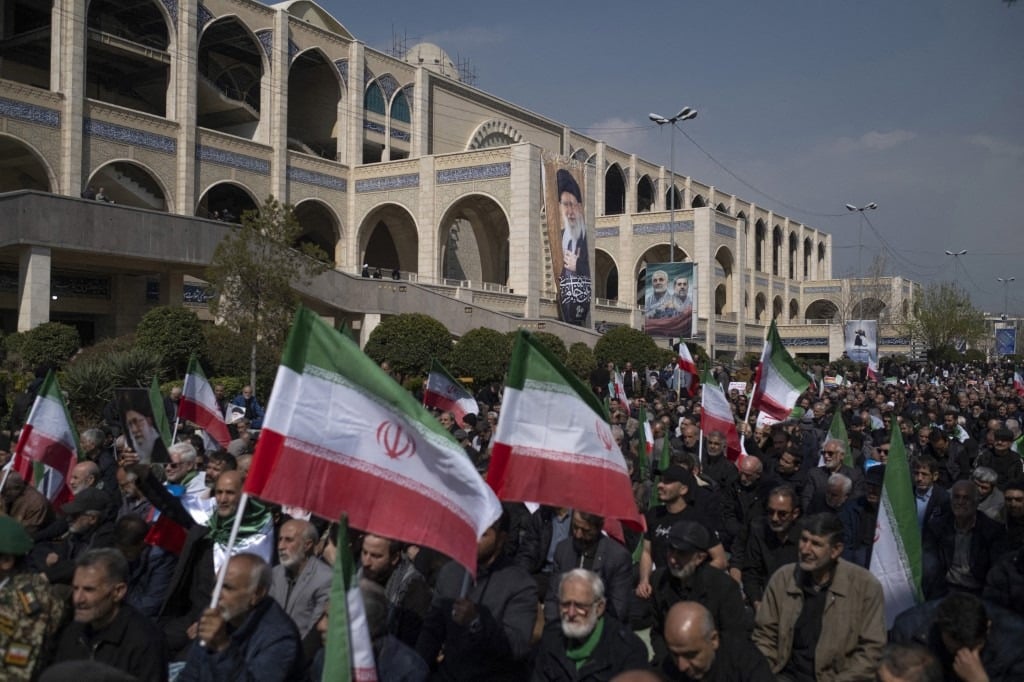
Iran is on the brink of a significant political transition as it prepares to announce a successor to the late Supreme Leader Ayatollah Ali Khamenei, who was killed in recent U.S.-Israeli strikes on his compound. This meeting follows nine days of escalating violence that has plunged the region into chaos. The Assembly of Experts convened privately on Sunday to make its choice for Khamenei’s successor, though members have withheld the name, suggesting the announcement will come soon. Speculation points towards Mojtaba Khamenei, the 56-year-old son of the former leader, as a likely candidate.
Tensions have escalated as U.S. President Donald Trump has sought to influence the nomination process, with Israel’s military issuing stern warnings to any potential successor, affirming that they would not hesitate to target them. In response, Iran’s Foreign Minister Abbas Araghchi asserted that the decision regarding the new leader is an internal matter for Iran, rejecting any external interference.
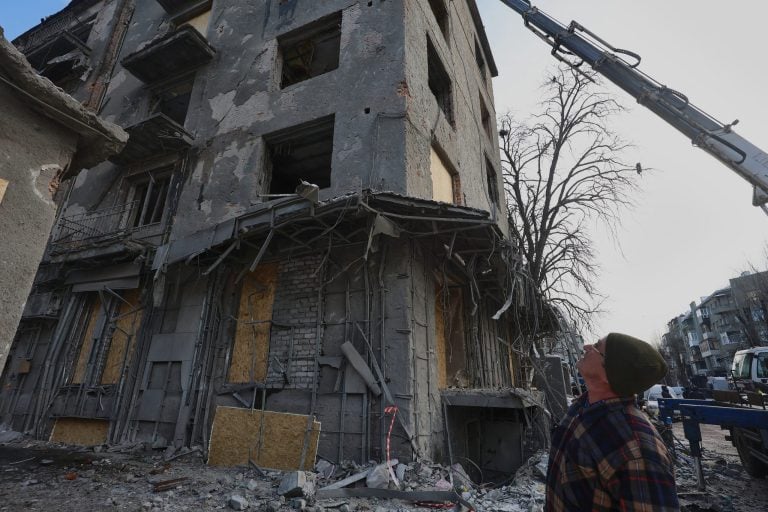
As the war unfolds, Israel’s military activities have intensified, highlighted by airstrikes that destroyed oil facilities in Tehran, resulting in at least four fatalities and serious disruption to fuel distribution in the city. The strikes have created a thick cloud of acrid smoke over Tehran, prompting health warnings about toxic fumes and leading to shattered windows in several areas. Citizens report dire conditions, with one resident describing the air as “unbreathable” and noting that panic has set in over fuel shortages.
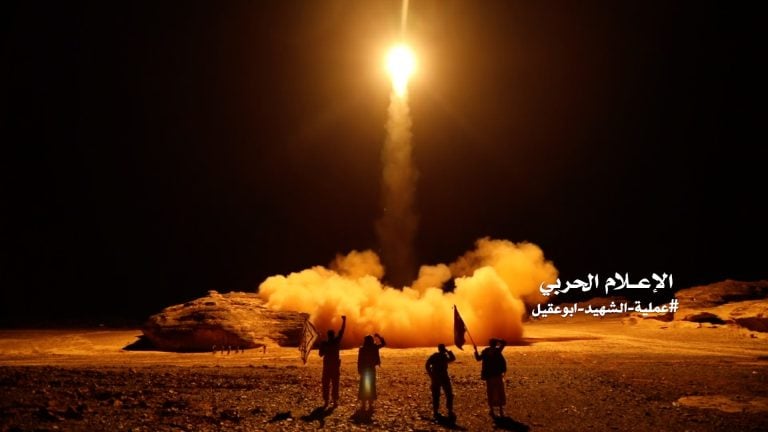
The escalating conflict shows no signs of abating, as Iran’s military claims it has enough resources to sustain its drone and missile offensive across the region for up to six months. Iranian missile strikes have been reported in the vicinity of Israel, wounding several individuals. Meanwhile, Iran’s military spokesperson indicated that while only older missiles have been used thus far, advanced long-range missiles will be deployed in the near future.
The humanitarian toll continues to climb, with official reports from Iran’s Ministry of Health indicating at least 1,200 civilian deaths, and approximately 10,000 injuries. The situation in Lebanon is equally dire, with the health minister reporting 394 casualties since the outbreak of hostilities. Additionally, the conflict has claimed the lives of two Israeli soldiers in southern Lebanon.
International responses to the conflict vary, with Trump suggesting that a leadership change in Iran could lead to economic rehabilitation, though analysts caution that there are no clear solutions to the protracted violence. China and Russia remain largely silent, despite their longstanding connections to Tehran. During a recent press conference, Chinese diplomat Wang Yi voiced deep concerns, describing the unfolding events as an avoidable tragedy.
Pope Leo XIV expressed hopes for an end to the violence, calling for an opening to dialogue amid the chaos. As the situation develops, the potential for further escalations raises serious questions about the future stability of the region.