




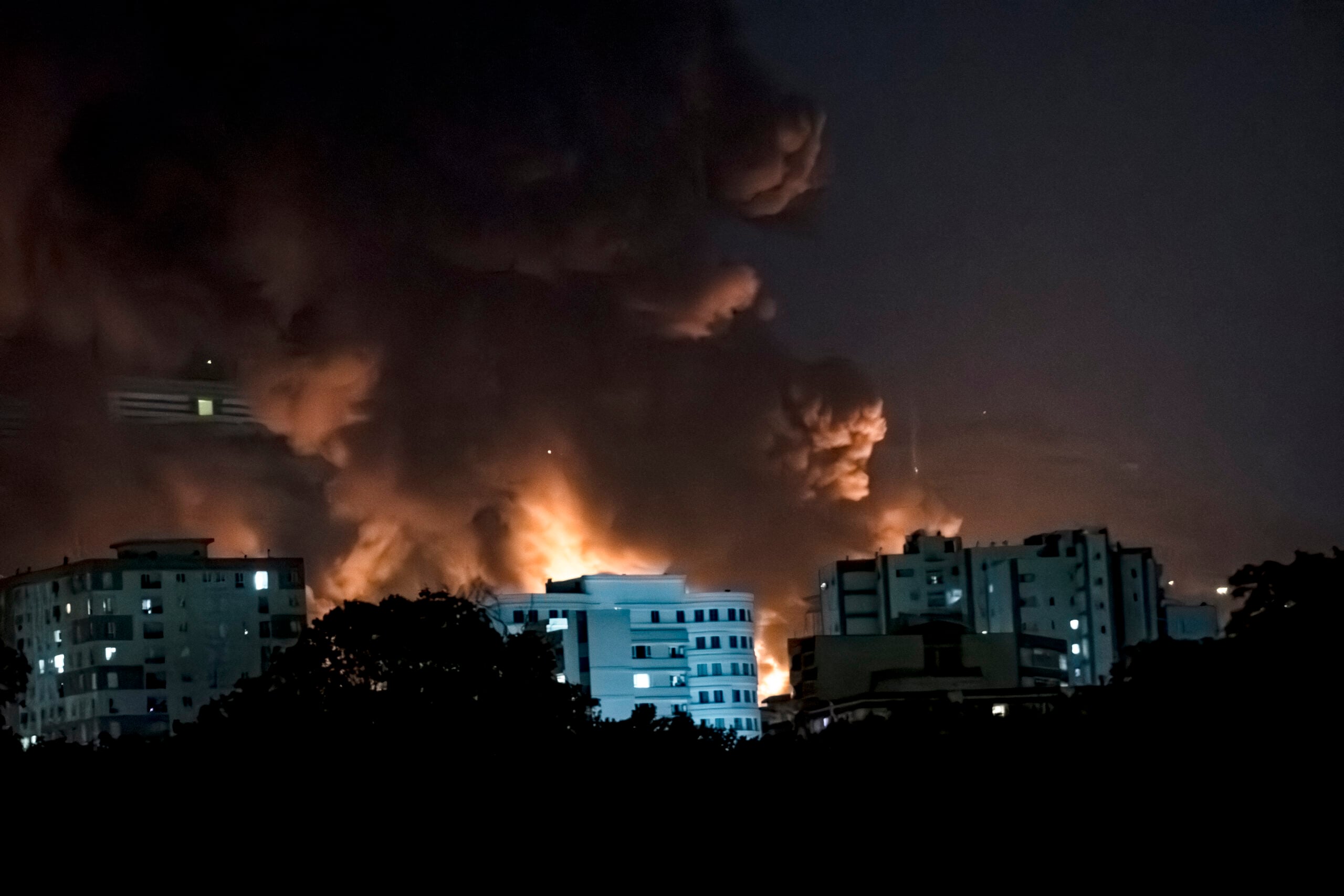
Iran has announced that the International Atomic Energy Agency (IAEA) will not be permitted to inspect key nuclear facilities damaged by US and Israeli airstrikes last year. This statement comes on the heels of the first round of discussions aimed at resolving the protracted conflict that has disrupted the Middle East and affected the global economy.
Amidst these negotiations, Iran and the United States have signed a memorandum of understanding to conclude hostilities, initiating a 60-day period dedicated to addressing broader issues, including Iran’s nuclear activities and seeking sanctions relief. Diplomatic efforts intensified with Iranian leaders engaging with Pakistan, while U.S. Secretary of State Marco Rubio commenced a visit to Gulf states. Concurrently, direct discussions were scheduled to take place in Washington between Lebanese and Israeli representatives.
Claims made by U.S. Vice President JD Vance suggested that Iran had agreed to invite IAEA inspectors back into the country. However, Iran’s Foreign Ministry spokesman Esmaeil Baqaei countered this assertion, emphasizing that there had been no meeting with the IAEA’s director general nor any plans for inspections of the affected nuclear sites. In contrast, former President Donald Trump stated that Iran had consented to extensive nuclear inspections going forward.
The conflict escalated in mid-2025 when the U.S. joined Israel in military actions against Iran, leading to the bombing of critical nuclear facilities such as Fordow, Natanz, and Isfahan, with claims of severe damage to these sites. Iran’s UN ambassador, Ali Bahreini, reiterated the absence of any agreement to allow IAEA inspectors into these locations.
As negotiations proceed, Iran’s chief negotiator, Mohammad Bagher Ghalibaf, declared that the strategic Strait of Hormuz will not revert to its pre-war status, despite both sides agreeing to establish communication to maintain maritime traffic. Recent reports indicate a record number of commodity carriers passing through the Strait, reflecting heightened activity in the region.
Following the discussions in Switzerland, Rubio’s itinerary includes stops in the United Arab Emirates, Kuwait, and Bahrain, where he will address concerns linked to the agreement and tensions arising from attacks during the conflict. Meanwhile, Iranian officials are also engaged in talks with Oman, with hopes for a definitive resolution.
The negotiations, taking place at a luxury resort in Switzerland, have generated optimism for a lasting peace agreement, contributing to a decline in oil prices. Mediators from Pakistan and Qatar announced that both parties have established a “roadmap” for within the 60-day timeline, which includes forming four negotiating groups focused on nuclear policy, sanctions, and other pertinent issues.
Additionally, the US Treasury has temporarily suspended certain sanctions on Iran to facilitate its crude production and sales, and an agreement may see Washington release $12 billion in previously frozen Iranian assets. However, Vance maintained that these assets would not be utilized for funding terrorism, asserting that Iran retains the authority to manage its financial resources.
On a parallel front, negotiations between Israel and Lebanese representatives aimed at resolving the longstanding Israel-Hezbollah conflict were set to resume in Washington. Despite a recent ceasefire reducing hostilities in Lebanon, reports emerged of Israeli forces killing two individuals in southern Lebanon. Hezbollah condemned the incident as a clear violation of the truce, further complicating peace efforts in the region.


