Israel’s Iron Dome has emerged as a pivotal solution in the realm of modern air defense, designed specifically to counter the growing threat of short-range rockets and artillery fired from areas near its borders. This mobile air defense system focuses on intercepting low-altitude aerial threats, safeguarding civilian populations and critical infrastructure from potential attacks.
At its core, the Iron Dome utilizes an advanced combination of radar tracking, battle management software, and the Tamir interceptor missile to engage only those projectiles deemed a threat. This selective interception strategy allows the system to conserve interceptors while maximizing protection. Each Iron Dome battery is equipped with three fundamental components: detection and tracking radar, a battle management control unit, and interceptor launchers.
The development of Iron Dome by Rafael Advanced Defense Systems, in collaboration with the Israeli Ministry of Defense and bolstered by U.S. funding, arose from a pressing need for an efficient defense against the inexpensive and plentiful unguided rockets that posed a significant danger to Israeli cities. Traditional defense mechanisms were found lacking, either being too costly or too slow to effectively address such rapid threats. The resulting solution ensured rapid response capabilities, rapid threat assessment, and cost-effectiveness.
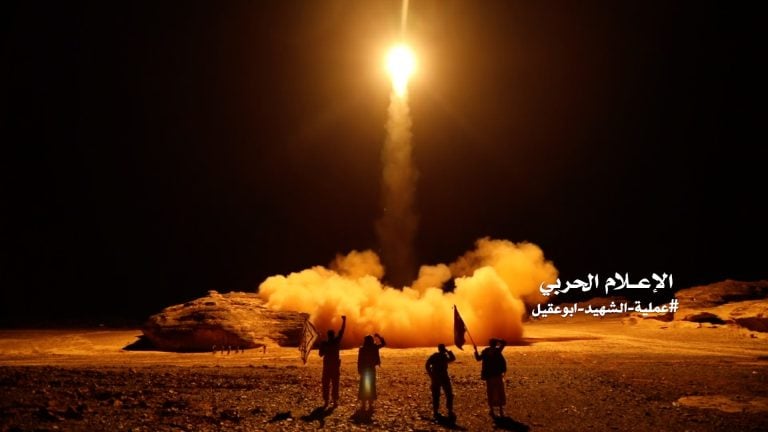
When a rocket is launched, the system immediately detects and tracks its trajectory. If the projected path indicates a threat to a populated area or high-value site, an intercept is authorized. The Tamir interceptor missile is then fired to neutralize the threat midair, typically at short range. Notably, if the projectile is deemed to pose no risk, the Iron Dome refrains from engaging, thereby conserving resources.
Iron Dome’s strengths are apparent in its comprehensive defense capabilities, which operate effectively under varied conditions and against diverse threats, including cruise missiles and drones. It is built on a modular platform that allows for flexible deployment and is designed for integration with existing defense systems. The system also maintains strict engagement protocols to ensure the safety of allied air operations.
However, Iron Dome is not a panacea; it has limitations. It remains vulnerable to long-range ballistic missiles, hypersonic weapons, advanced cruise missiles, and saturation attacks. As such, its functionality is bolstered when integrated into Israel’s multi-tiered air defense framework, which includes systems like Iron Beam (laser defense), David’s Sling (medium-range threats), and Arrow (long-range missile defense).
In operation, Iron Dome has demonstrated remarkable effectiveness, reportedly achieving interception rates of around 85 to 90 percent against threatening rockets. It has attracted international interest, with nations including the UK, South Korea, and others exploring its potential applications.
In summary, Iron Dome stands as a symbol of advanced air defense technology, redefining how nations approach the challenge of protecting their populations from aerial threats. While it does not provide an all-encompassing solution to every military threat, its innovations highlight the changing landscape of conflict in an era where precision weaponry has become more accessible and prevalent.