




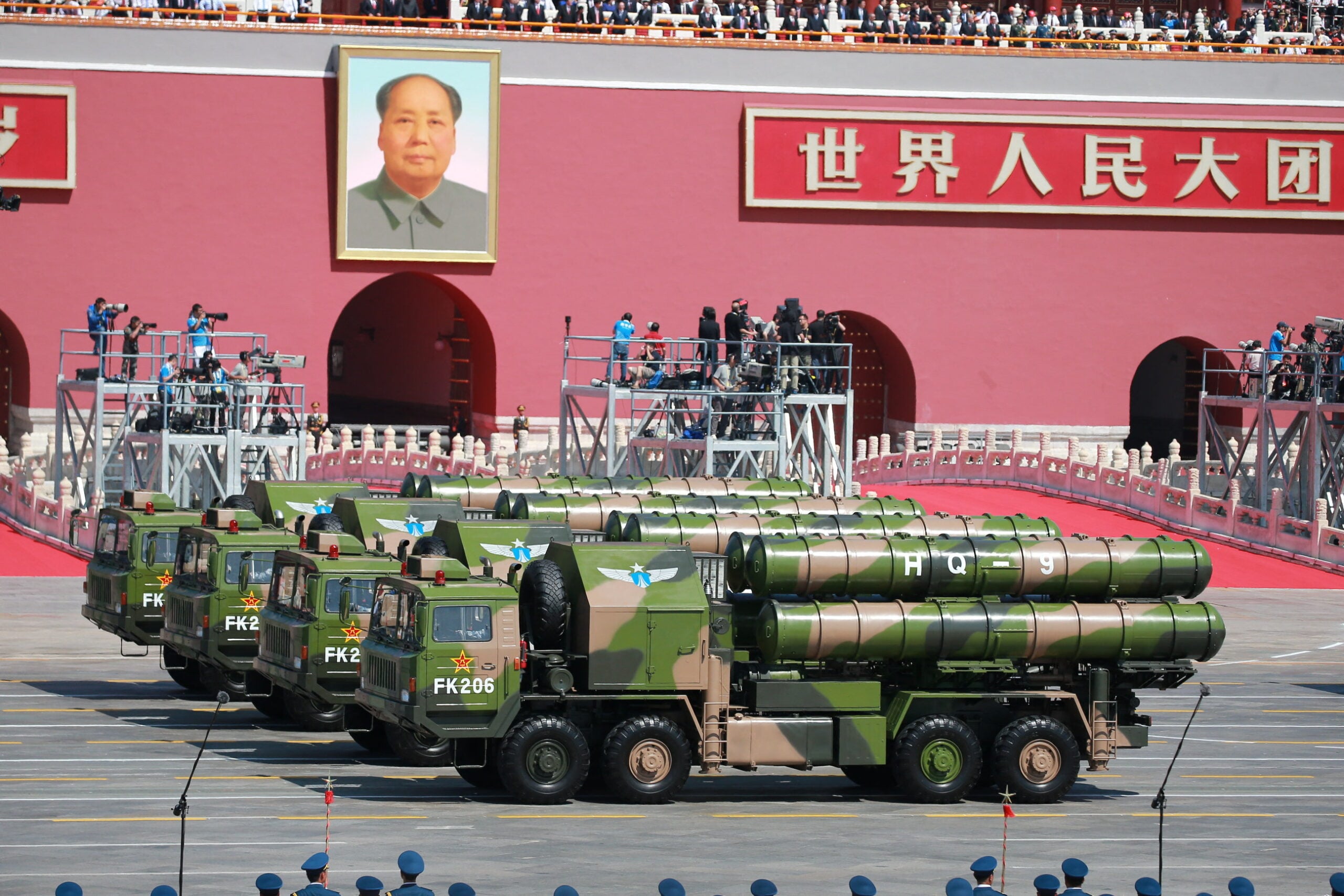
Pacific Islands have raised significant concerns over China’s recent ballistic missile test, which landed in what they collectively refer to as their “blue continent.” This term embodies their identity as stewards of the vast ocean that surrounds them. The submarine-launched missile, reported to be nuclear-capable and fitted with a dummy warhead, struck an area between Nauru, Tuvalu, and the Solomon Islands, a region not encompassed by any exclusive economic zone (EEZ), heightening fears of sovereignty violations.
Even nations that have financial ties to Beijing expressed discontent with the test conducted on Monday. Palau President Surangel Whipps emphasized the gravity of the situation, stating the missile landed “right between our EEZs.” He voiced concerns about unforeseen military maneuvers occurring “right into the heart of the Pacific,” which he characterized as an alarming breach of regional tranquility.
China defended its actions, asserting that the missile test was not aimed at any nation and did not violate international law. However, skepticism remains among Pacific leaders, particularly as they prepare for an upcoming annual meeting to address these concerns. Prior to the test, a Chinese envoy had met with the Pacific Islands Forum, a group dedicated to managing shared ocean resources, but notably did not disclose any implications of the impending missile test.
The director of the Pacific Islands program at the Lowy Institute, Oliver Nobetau, questioned why such tests could not be conducted in the vast international waters further north, rather than near the densely populated and ecologically sensitive regions of Pacific Islands. The missile’s trajectory and landing site have sparked a wave of indignation among the eleven countries that protested the test, reflecting their collective distress over maintaining control and stewardship over their ocean territory.
Kiribati government minister Ruth Cross Kwansing encapsulated the sentiments shared by many when she stated that the concept of the “Blue Pacific continent” is inextricably linked to their way of life. The oceans are not just geographical expanses but part of their identity and livelihood. She emphasized that any disturbance in one part of the ocean reverberates throughout the entire region, reinforcing the interconnectedness of Pacific nations.
Experts noted that this discontent aligns with a broader push by Pacific nations to assert their principles in maintaining a zone free from nuclear weapon testing. The short notice given by China for the missile test, communicated only to select countries, was perceived as a significant diplomatic slight.
Papua New Guinea’s Prime Minister James Marape echoed these sentiments, asserting that this should be the “last such missile test conducted in Pacific waters,” a statement reflecting his broader appeal for restraint from all military powers in the region. Past nuclear tests conducted by the United States and other nations remain a painful memory for the Pacific Islands, impacting their collective psyche and fueling apprehension about further tests.
As regional leaders gather for discussions next month, there is a shared understanding that the implications of missile tests, including those conducted by China, will be at the forefront of their agenda. The legacy of military interventions and the tangible consequences of historical nuclear tests continue to haunt many, as they seek to safeguard their territories against emerging threats. The situation serves as a poignant reminder of the precarious balance between geopolitical interests and the sovereignty of island nations.


