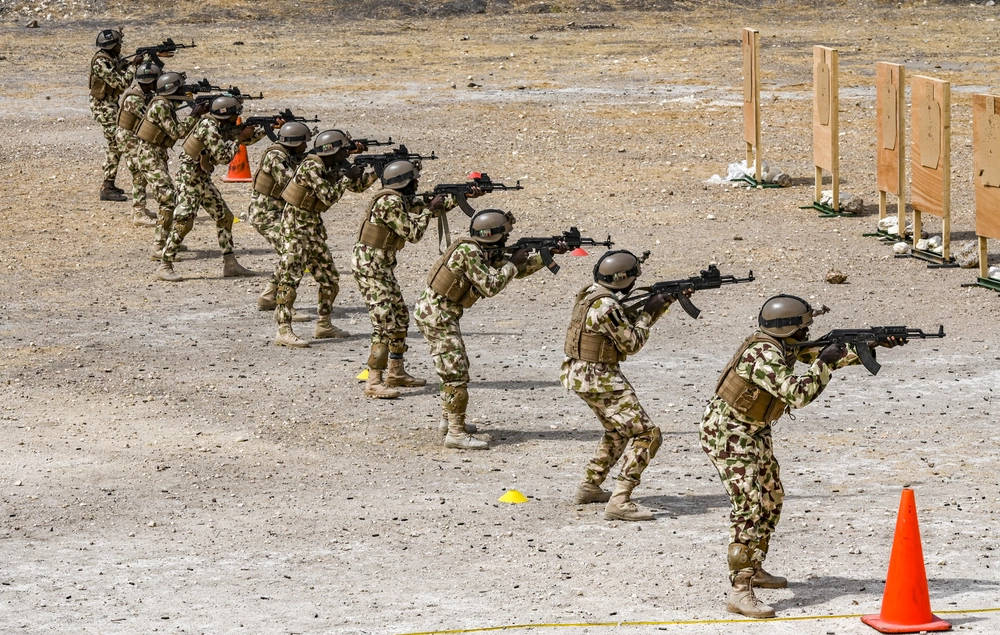
A roadside bomb explosion in Nigeria’s Borno state has claimed the lives of at least eight military personnel, as confirmed by a military source on Monday. The incident, which occurred over the weekend, highlights the ongoing challenges faced by Nigeria in combating a persistent jihadist insurgency primarily driven by the extremist groups Boko Haram and its rival, the Islamic State West Africa Province (ISWAP).
According to a report prepared for the United Nations, which was seen by AFP, the toll from the blast on Sunday was raised to nine individuals. The criteria of the attack indicated that ISWAP militants detonated the improvised explosive device (IED) while soldiers were halted at a camp along the Gubio-Damasak Road.
The explosive event took place in an area perceived as an “uncommon location” for such bombings, suggesting an expansion of ISWAP’s operational capabilities and indicating that the group is diversifying its attacks beyond previously established corridors.
The military source lamented the loss of soldiers but noted the operation had not been officially acknowledged by Nigerian forces. An ambush involving ISWAP assailants reportedly led to the destruction of a mine-resistant, ambush-protected (MRAP) vehicle due to the IED.
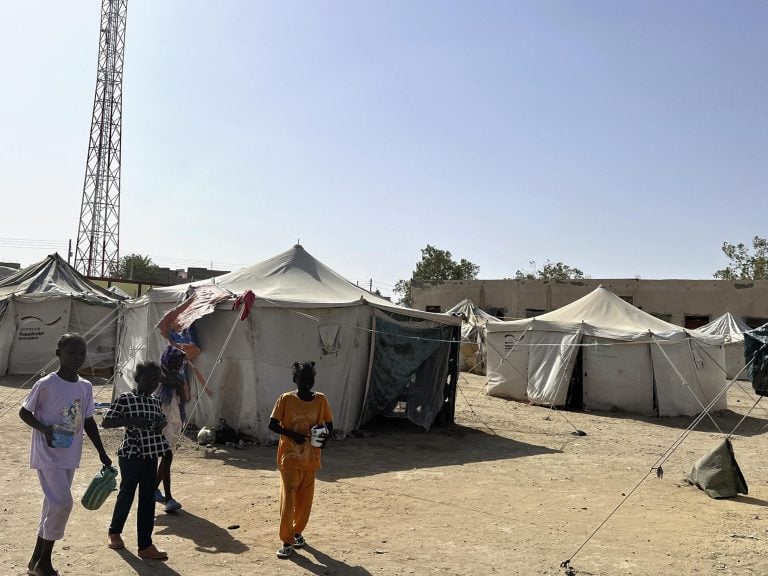
The long-standing conflict in northeastern Nigeria, which erupted in 2009, has already claimed more than 40,000 lives and displaced approximately two million people, according to United Nations statistics. The insurgency has also extended its influence into neighboring countries like Niger, Cameroon, and Chad, prompting a military coalition in the region to combat these armed groups.
The Sunday explosion occurred shortly after a separate ISWAP attack along the Wajiroko–Azir route in the Damboa district, where multiple soldiers were reportedly wounded. A rising trend in IED attacks in Borno state has been forecasted for December, raising concerns about the intensifying nature of the conflict.
While violence has subsided from its peak levels a decade earlier—when Boko Haram controlled significant territories—there are warnings from analysts regarding a resurgence in jihadist warfare. The United States has expressed discontent over Nigeria’s inability to effectively curb violence, particularly claiming that the situation amounts to the persecution of Christians, a narrative often echoed by elements of the US religious right.
Despite official denials from the Nigerian government and independent analysts regarding these accusations, the US has conducted surprise airstrikes against militants purported to be linked to the Islamic State group. While both Abuja and Washington report that these operations resulted in multiple militant deaths, independent verification of those claims remains pending.