Saab is positioning itself as a potential collaborator with Germany on a future fighter aircraft, presenting an alternative amid growing uncertainties surrounding Europe’s ambitious next-generation air combat projects. In a recent interview with the Frankfurter Allgemeine Zeitung, Micael Johansson, CEO of Saab, highlighted the pressing need for Europe, including Germany, to accelerate its defense modernization efforts nearly four years after Russia’s invasion of Ukraine.
Johansson noted that while there have been improvements in ammunition stocks and deterrence capabilities, Europe must shift its focus more decisively toward new technologies. This includes not only advanced air systems but also critical areas like drones and missile defense.
Germany’s relationship with Saab has evolved over more than four decades, during which the Swedish defense firm has become both a partner and a competitor to the German armed forces. Saab collaborates closely with local companies, such as Diehl Defence, underscoring its presence in one of Europe’s key defense markets.
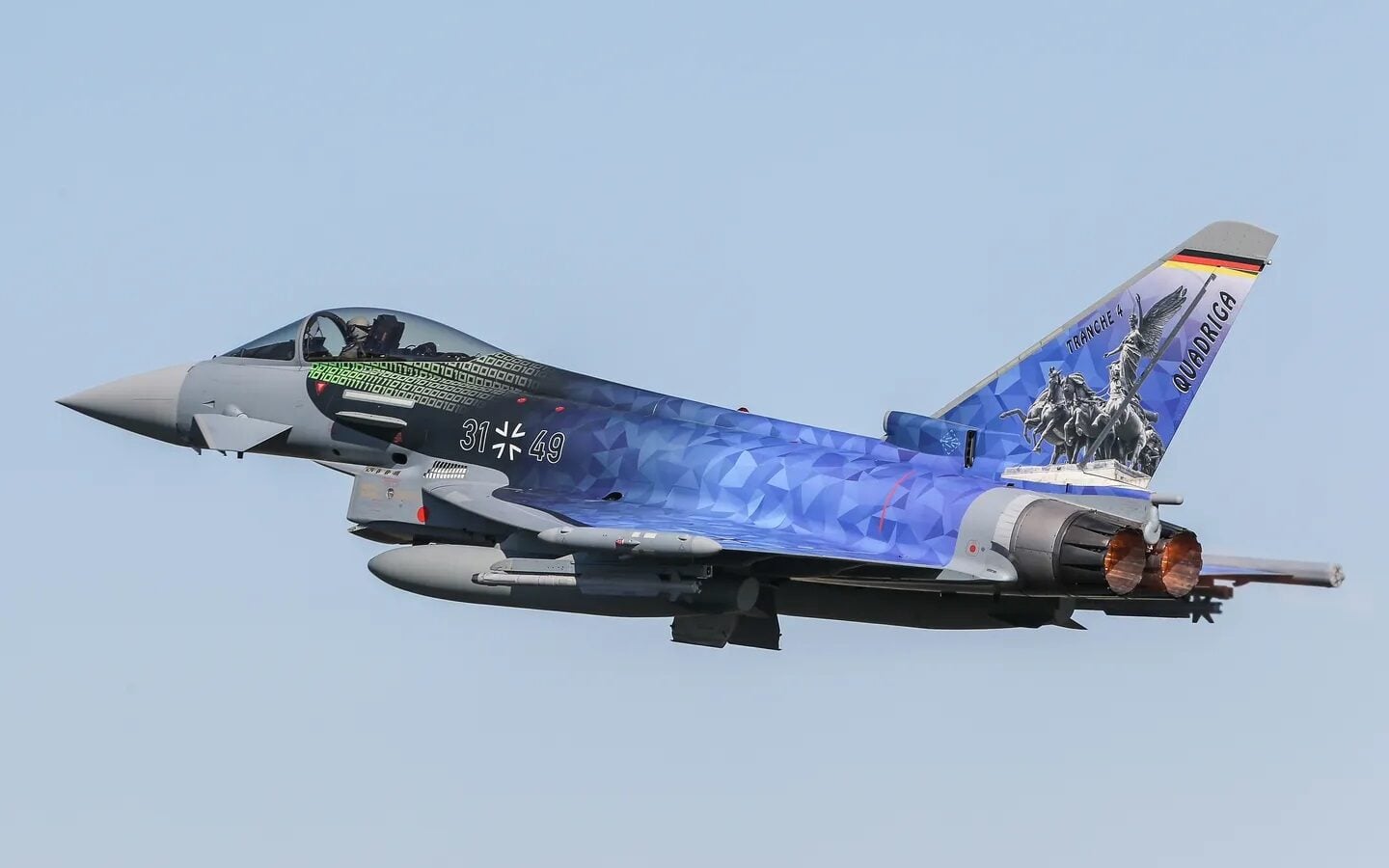
In light of ongoing challenges with the Future Combat Air System (FCAS) project, Johansson expressed Saab’s willingness to collaborate with Airbus Defence on a joint fighter jet initiative, provided Berlin considers altering its current trajectory with France in the FCAS program. He emphasized that for Saab to contribute effectively, any partnership would require clear political commitments, alongside assurances that Sweden maintains its autonomy in designing and manufacturing combat aircraft.
The FCAS initiative— spearheaded by France, Germany, and Spain— aims to develop a sixth-generation fighter aircraft integrated with unmanned “remote carriers,” state-of-the-art sensors, and a secure combat cloud. Set to be primarily developed by Dassault Aviation and Airbus Defence, the New Generation Fighter is targeting operational capabilities by approximately 2040.
However, progress on the FCAS project has been marked by significant obstacles, ranging from industrial disputes to disagreements over leadership roles and intellectual property. These setbacks have raised concerns about the timeline of development, leading to speculation that Germany may eventually explore alternative or complementary strategies to ensure it accomplishes its next-generation air combat goals in a timely manner.